Pure vanilla extract vs vanilla flavoring
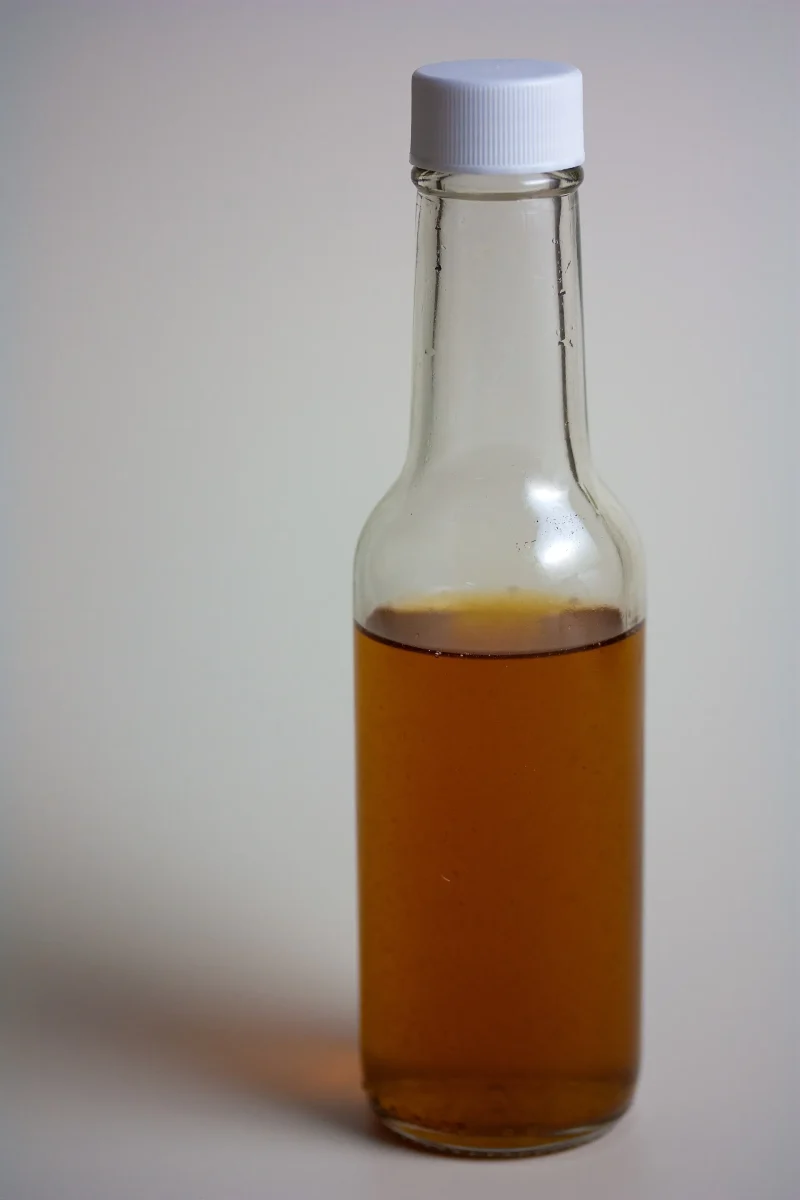
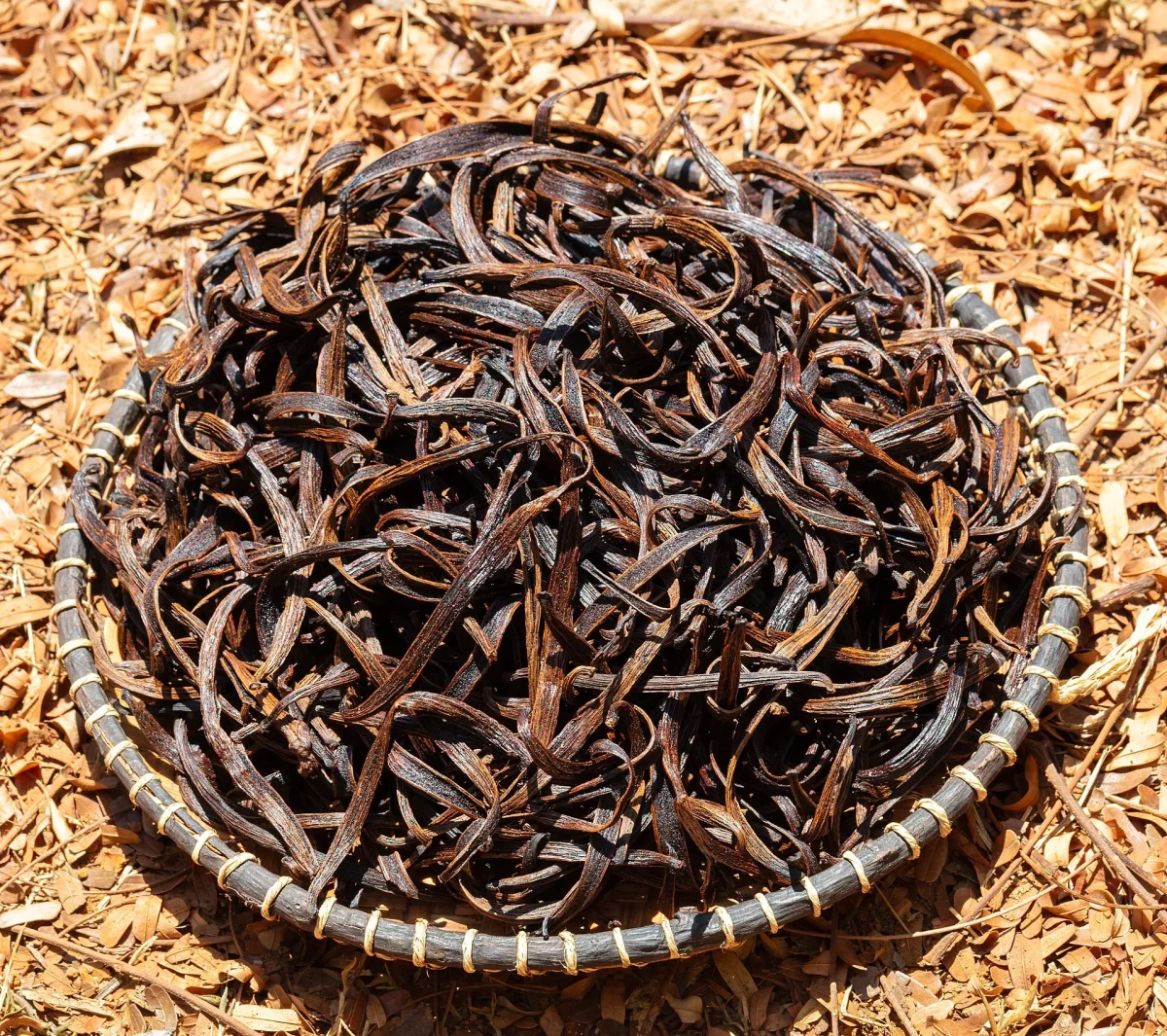
Pure extract is cured vanilla beans macerated in alcohol and water with no added synthetic vanillin; flavoring blends natural or synthetic vanillin with other compounds at lower cost. Picking the wrong one for your label can create a compliance problem.
Rules differ by market
In the US, the FDA standard of identity for “pure vanilla extract” sets a minimum level of bean extractives and limits additions. The EU defines “natural vanilla flavoring” and “natural flavoring with other natural flavorings” with different thresholds, and Japan and other markets apply their own rules.
We supply raw-material documentation; final label compliance sits with the buyer’s regulatory team.
- Flavorings commonly use synthetic vanillin, ethyl vanillin or other compounds
- Not inherently lower quality — a different formulation tool
Match the product to your label and cost target
Three questions: the label claim you need, your cost per unit, and how much your consumers value authenticity.
Extract vs flavoring at a glance
Different compositions, regulatory definitions and cost profiles.
| Base material | Extract: cured beans, alcohol, water · Flavoring: vanillin plus other flavour compounds |
|---|---|
| Label claim | Extract supports “pure” or “natural” (market-dependent) · Flavoring usually cannot claim “pure extract” |
| Cost per finished unit | Extract higher · Flavoring lower |
| Shelf stability | Extract generally strong (alcohol-based) · Flavoring depends on formulation and carriers |
| Typical application | Extract: premium bakery, dairy, beverages · Flavoring: mass-market confectionery, budget bakery |
Compare cost at the finished-batch level: extract is typically used at a lower inclusion rate, which narrows the gap.
Verify, don’t rely on the product name
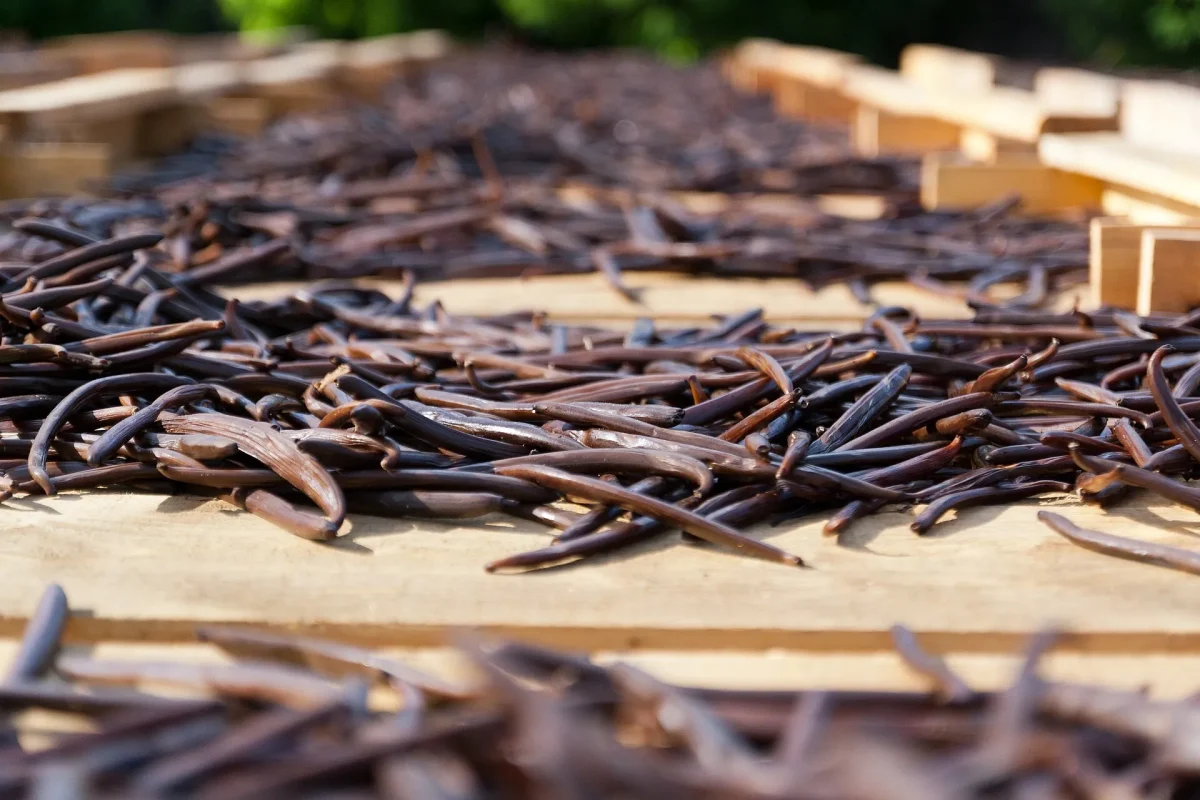
Extract and flavoring are often confused, and mislabelled or adulterated vanilla has been a documented industry issue. Request supporting documents — moisture and grading data and, where relevant, lab tests confirming composition — plus technical data sheets on storage and shelf life.
- Is the vanillin natural (bean- or fermentation-derived) or synthetic?
- Are all other flavour compounds declared on the data sheet?
- Does it meet the definition for your label claim in your market?
- What documents support any “natural flavor” designation?
More in Products

Extract vs flavoring questions
Is vanilla flavoring lower quality than pure extract?
Not inherently. It is a different formulation tool, suited to applications where cost per unit matters more than an authentic “natural” claim on the label.
How does cost compare in the finished product?
Extract costs more per unit, but it is typically used at a lower inclusion rate, which narrows the gap. Run the comparison at the finished-batch level, not on raw-material price alone.
What do I need to make extract in-house?
Beans with documented moisture content and consistent grading, since extraction yield and flavour depend heavily on how the beans were cured and stored.
Do you publish vanillin percentages or prices?
Not on this page — both depend on batch, grade and current market conditions. We confirm the specification and documentation that fit your compliance needs in writing before you commit to volume.
Request a written quote
Share your application, grade, volume and destination port — specifications, sampling terms and pricing are confirmed in writing.