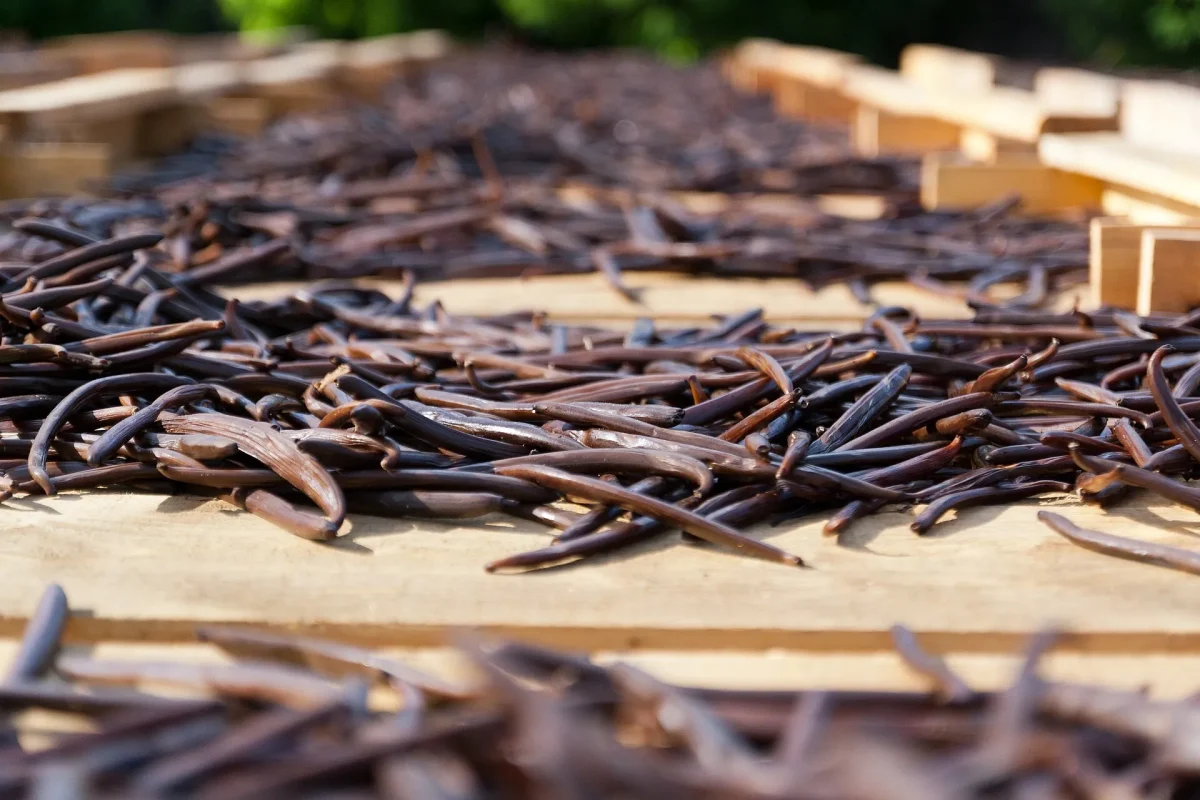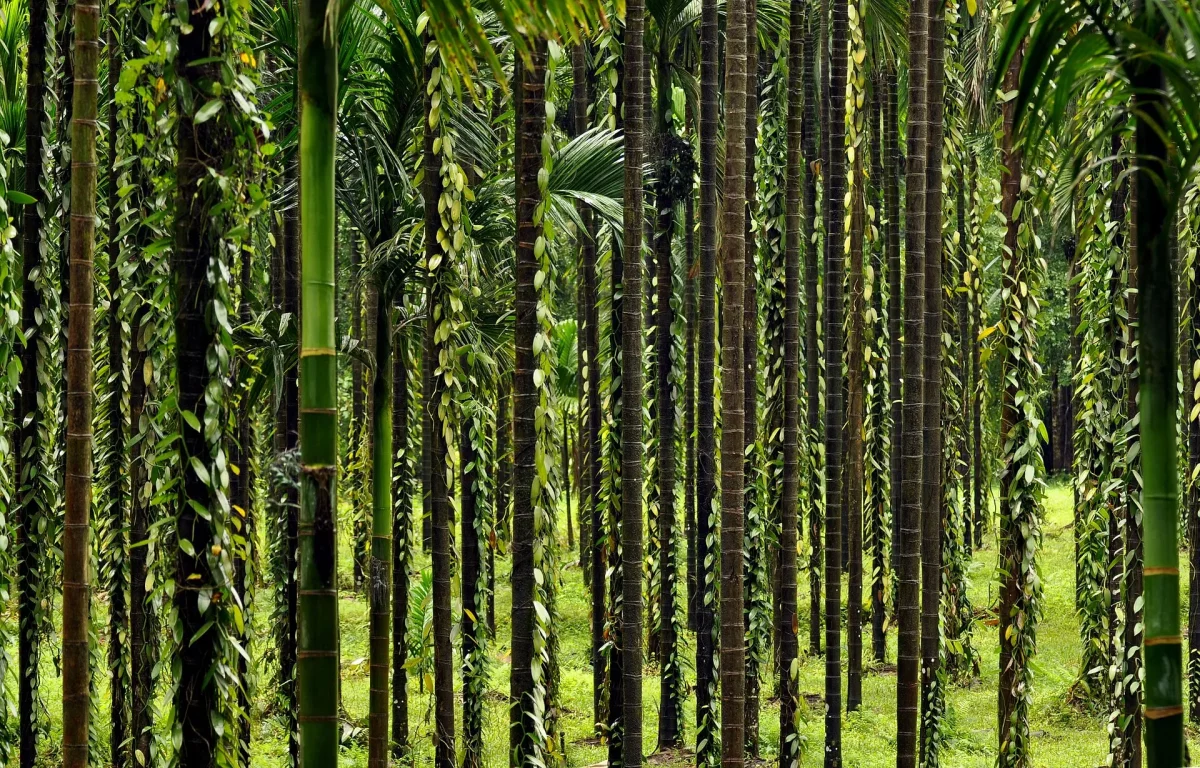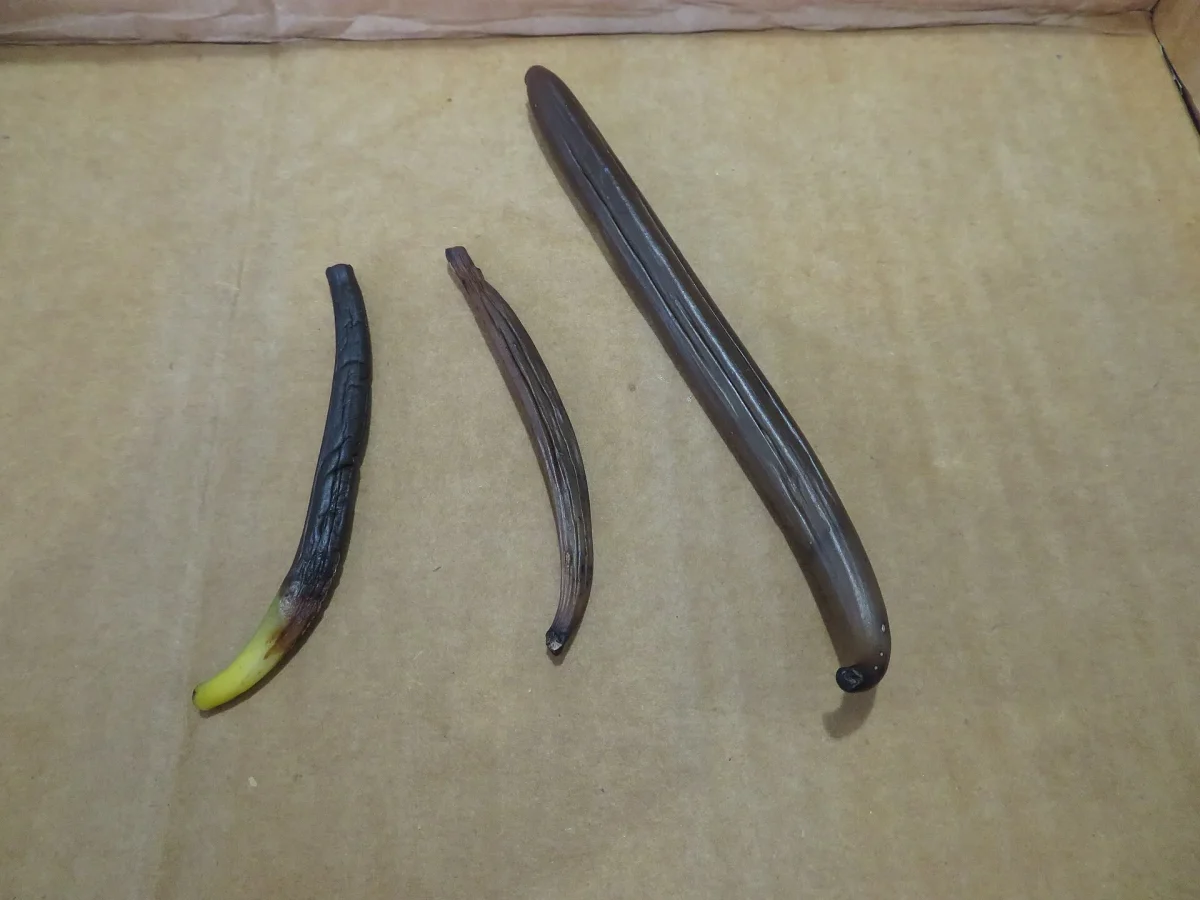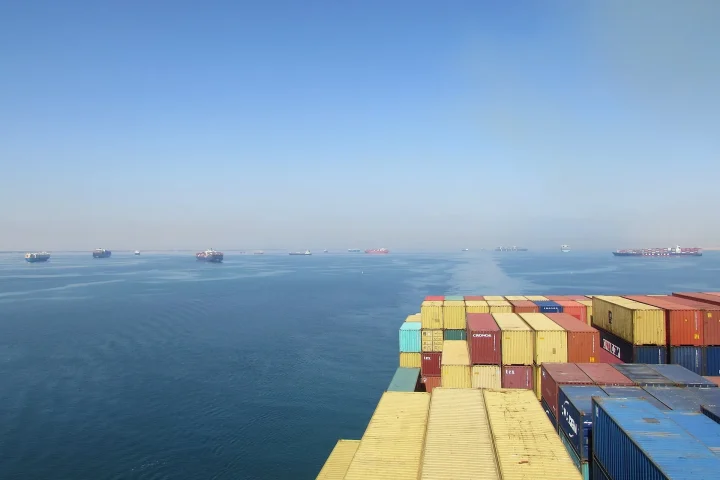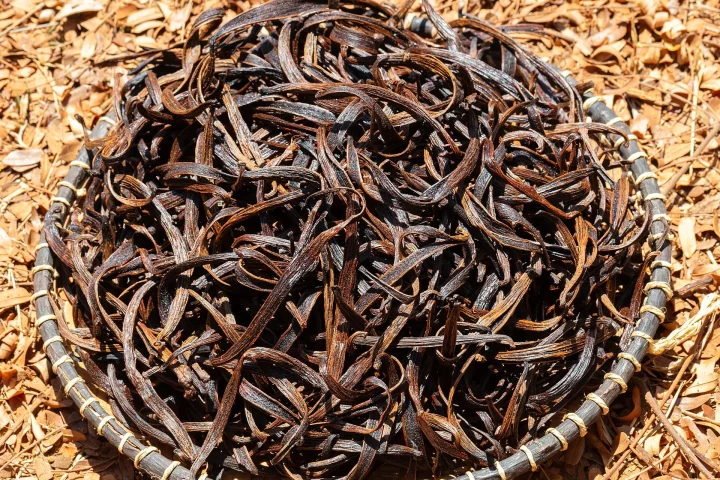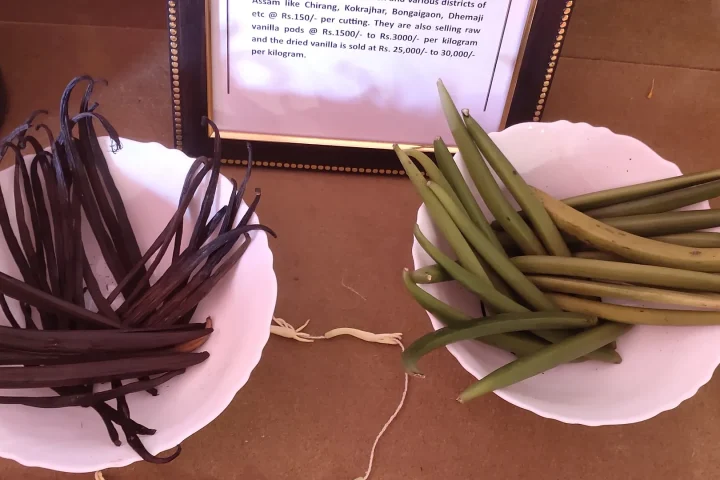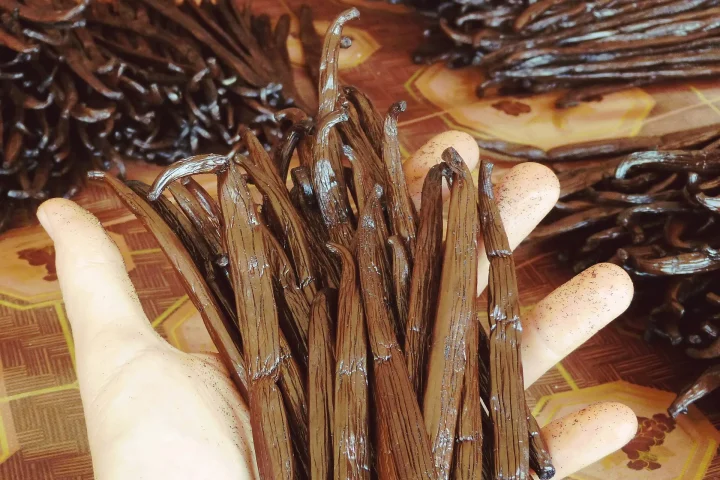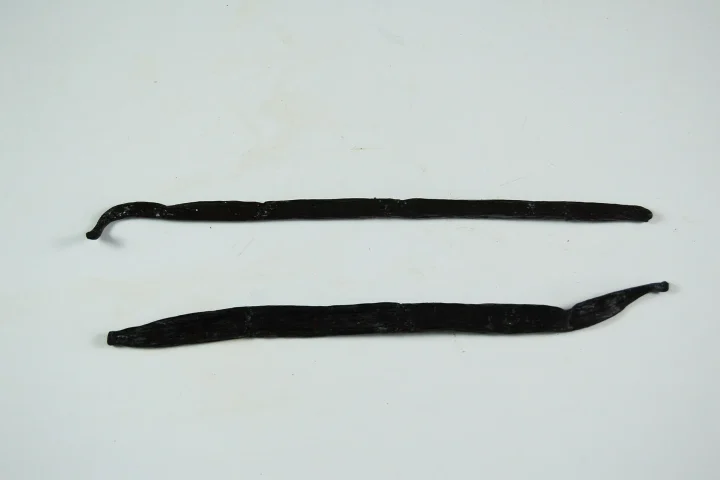
Bali Vanilla Export supplies Grade A gourmet and Grade B extract-grade Indonesian Planifolia vanilla beans directly to importers in France, Germany, and the Netherlands, with a laboratory COA issued for every lot and a complete EU-ready export document set. If you are searching for a vanilla beans supplier for Europe that can prove origin, food safety, and quality on paper before you commit to a container, this page explains exactly what we ship, how each lot is documented, and how to start with a low-risk trial order.
We work as a direct exporter, not a broker chain. Beans are sourced and cured through our partner farms in Bali, Alor, and Papua, conditioned for sea freight, and shipped with the documentation European food importers actually ask for: phytosanitary certification, lot-level traceability, and measured vanillin figures rather than generic marketing claims.
Why France, Germany and the Netherlands Buy Indonesian Vanilla
Europe is Indonesia’s most important premium vanilla region after the United States. In 2025 trade data, France was the largest European buyer of Indonesian vanilla at US$616,000, followed by Germany at US$521,000 and the Netherlands at US$330,000. This is not a new pattern: in 2022, Germany already accounted for 8.6% of Indonesia’s vanilla exports and the Netherlands 7.5%, making the Rotterdam–Hamburg corridor one of the most established routes for Indonesian beans.
The commercial logic is straightforward. French flavour houses and patisserie suppliers, German extract manufacturers, and Dutch ingredient traders all need a credible alternative to a single-origin dependence on Madagascar. Indonesian Planifolia offers a comparable species profile, a distinct aroma character shaped by volcanic-soil growing regions, and — at 2025 average export values of roughly US$46/kg across all grades — pricing that leaves room in the margin for extract producers and premium retail brands alike.
For a European buyer, the question is rarely whether Indonesian vanilla is worth importing. It is whether the supplier on the other end can deliver consistent grade, honest lab numbers, and clean paperwork shipment after shipment. That is the standard this page is built around.
What French, German and Dutch Importers Expect From a Supplier
EU-bound food shipments face some of the strictest import scrutiny in the world, and experienced European vanilla buyers vet suppliers on three things before price is even discussed:
- Proof, not claims, of organic and quality status. If a lot is presented as organic, EU buyers expect the supporting certificates to be shared during quoting — not after payment. The same applies to quality: vanillin content, moisture, and defect rates should come from a lab report, not a brochure.
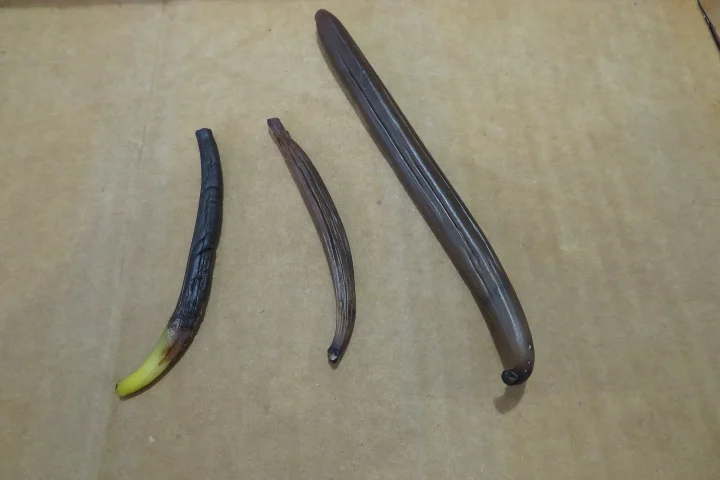
- Food-safety discipline. Beans must arrive fully cured and conditioned, packed in food-grade, vacuum-sealed packaging with oxygen absorbers, with moisture controlled to survive weeks at sea without mould risk. Green or under-cured beans have no place in an EU shipment.
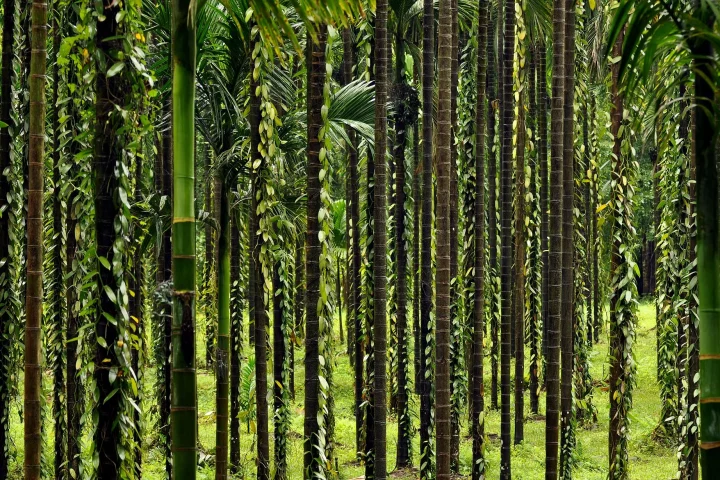
- Full traceability. European importers increasingly need to show their own customers where a lot was grown. We document farm-of-origin data for each lot — region, harvest window, and curing batch — so your compliance team can trace a pod on a shelf in Lyon or Hamburg back to a growing region in Indonesia.
Behind the product sits a real organisation. Bali Vanilla Export operates within Juara Holding Group, an Indonesian group active since 2015, which means European buyers are contracting with an established structure rather than an anonymous trading account — a point that matters when your bank, insurer, or food-safety auditor asks who is on the other side of the transaction.
A COA for Every Lot, Before You Commit
Our core promise to European buyers is simple: every lot ships with its own Certificate of Analysis. Rather than publishing a generic “vanillin 2%” claim across the whole catalogue, we lab-test each lot and report the measured range for that specific batch — vanillin content, moisture level, bean length distribution, and visual defect rate. You can review how our lab-tested COA and specification sheets are structured before you ever request a quote.
For extract manufacturers in Germany and the Netherlands, this matters commercially, not just for compliance: extraction yield planning depends on knowing the actual vanillin figure of the lot you are buying, and pricing a lot on its measured chemistry is fairer in both directions. For gourmet buyers in France, the COA doubles as the quality record your own customers may request.
On request, we send the COA together with photos of the specific lot and, for larger programs, physical pre-shipment samples drawn from the same batch that will be loaded.
Grades and Indicative Pricing for European Buyers
We supply two principal grades of Indonesian Planifolia, plus an organic line for qualifying orders. All figures below are indicative wholesale ranges based on current market conditions; final pricing is quoted per lot against its COA, volume, and shipping terms.
| Product | Typical use in Europe | Indicative price (per kg) |
|---|---|---|
| Grade A Gourmet Planifolia (whole beans) | Patisserie, premium retail, flavour houses | From US$30, indicatively US$30–80 depending on vanillin content and pod quality |
| Grade B Extract-Grade Planifolia | Extract and flavour manufacturing | Indicatively US$20–50 depending on vanillin content |
| Organic line (Grade A or B) | Certified-organic product lines | On request, quoted per lot with certificates |
| Trial and sample lots | Supplier qualification, lab verification | Quoted per lot; air-freight terms on request |
For context, 2026 wholesale benchmarks for Indonesian vanilla sit around US$14.76–36.90/kg at the commodity level, while 2025 trade data imply an average export value of roughly US$46/kg — premium Grade A lots trade well above the commodity band. Treat every figure here as indicative: vanilla is priced lot by lot, and a serious quote always references the COA of the actual batch on offer.
Organic Line Option
For European brands building certified-organic product lines, we offer an organic option sourced through farm partners operating under organic certification schemes. Availability is volume- and season-dependent, so we handle it as a dedicated line rather than a default: tell us your target volume and certification requirements at the quoting stage, and we confirm which certificates apply to the lots we can allocate and share the supporting documents for your importer-side verification before any commitment.
Where full organic certification is not required, many EU buyers opt for our standard traceable line with documented farm-of-origin data — a practical middle path that satisfies most retailer transparency programs without the organic premium.
Documentation and Logistics for European Ports
The EU export document set
Vanilla enters the EU under HS code 0905, and every shipment we send travels with a country-specific document package: phytosanitary certificate issued through official Indonesian quarantine channels, commercial invoice and packing list, certificate of origin, the lot COA, and any organic certificates that apply. We prepare the set per destination — French, German, and Dutch import practice each have their own habits — and share draft documents with your customs broker before the vessel sails. Our export documentation guide covering phytosanitary requirements and HS 0905 explains each document in detail. Import requirements can change and vary by member state, so we always recommend confirming the final checklist with your customs broker or the relevant import authority for your product category.
Shipping to Rotterdam, Hamburg and Le Havre
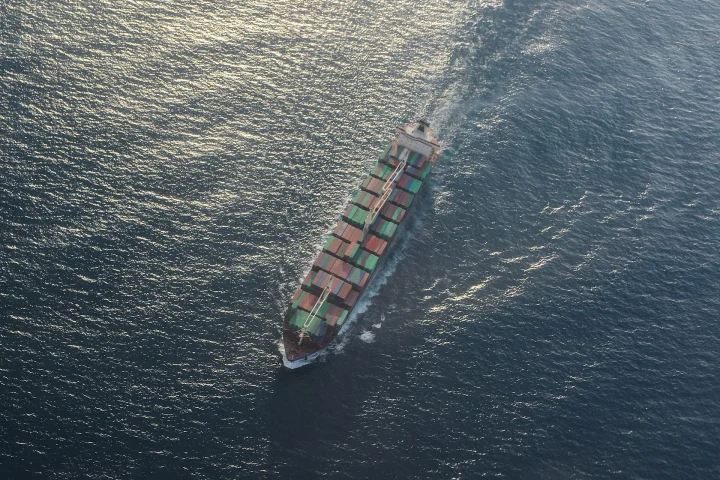
For container-scale and consolidated orders we ship by sea to the main north-European gateways — Rotterdam for the Netherlands and inland European distribution, Hamburg for Germany, and Le Havre for France. Beans are vacuum-sealed in food-grade packaging with oxygen absorbers and packed to protect aroma and moisture stability across the sailing. For urgent samples, trial lots, and small premium orders, we quote air freight into your nearest international airport instead, so a supplier-qualification cycle does not have to wait on a sailing schedule.
Start With a Trial MOQ
We do not expect a European importer to open a relationship with a container. Our structure for new EU buyers runs in three steps: a sample lot for your lab and sensory evaluation, a trial order at a low MOQ shipped by air or consolidated sea freight, and then program volumes once your quality team has verified our COA against your own testing. Exact sample and trial MOQ figures are confirmed at quoting, because they depend on grade, season, and destination — request a quote with your target volume and we will map the fastest route to a first shipment.
This staged approach is deliberate. The buyers who stay with us for years are the ones who tested us first — and a trial lot that matches its paperwork is the strongest sales argument we have.
Commercial information only. Pricing, tariff codes, phytosanitary rules and import requirements change between seasons and destination markets — confirm current figures and documentation with your customs broker, freight forwarder and the competent authority in your import country before contracting. This page is not legal, tax or trade advice.
Frequently Asked Questions
Do you provide a COA for every lot shipped to Europe?
Yes. Each lot is lab-tested and ships with its own Certificate of Analysis covering measured vanillin content, moisture, length distribution, and defect rate. The COA is shared at quoting, so your team can verify the numbers before committing.
Can you supply certified organic vanilla beans to the EU?
We offer an organic line through farm partners under organic certification schemes, subject to volume and seasonal availability. Certificates are shared during quoting for your importer-side verification. If organic is essential to your program, flag it in your first inquiry so we can confirm allocation early.
What is the minimum order for a first trial shipment?
Trial MOQs are kept deliberately low and are confirmed per quote, since they depend on grade and destination. Most European buyers start with a sample lot for lab evaluation, then a small air-freight or consolidated sea trial before moving to program volumes.
Which European ports do you ship to?
Sea shipments run to Rotterdam, Hamburg, and Le Havre as standard, with other EU ports possible on request. Samples and urgent lots go by air to your nearest international airport.
How is your pricing set?
Per lot, against its COA. Indicative ranges are US$30–80/kg for Grade A gourmet and US$20–50/kg for Grade B extract-grade, but the final figure reflects the measured vanillin content, pod quality, volume, and shipping terms of the specific batch. All published figures are indicative until quoted.
Request a Quote for Your European Import Program
If you are importing into France, Germany, the Netherlands, or elsewhere in the EU, send us your target grade, volume, and destination port and we will respond with available lots, their COAs, and indicative landed options. Message our export desk directly on WhatsApp at +62 811-3941-4563 or email [email protected] — or use the quote request form and we will come back to you with lot-specific documentation, not a generic price list.