Vanilla Beans for Ice Cream, Gelato & Bakery Producers

If you run an ice cream parlour, gelato lab, or bakery and need vanilla beans that match your actual production process, this page maps each bean grade to its best application — infusion, extraction, or visible specks — with dosage guidance per batch. Bali Vanilla Export supplies Indonesian Planifolia and Tahitensis beans to HoReCa and artisan producers in kitchen-friendly quantities, from single sample packs to scheduled monthly deliveries.
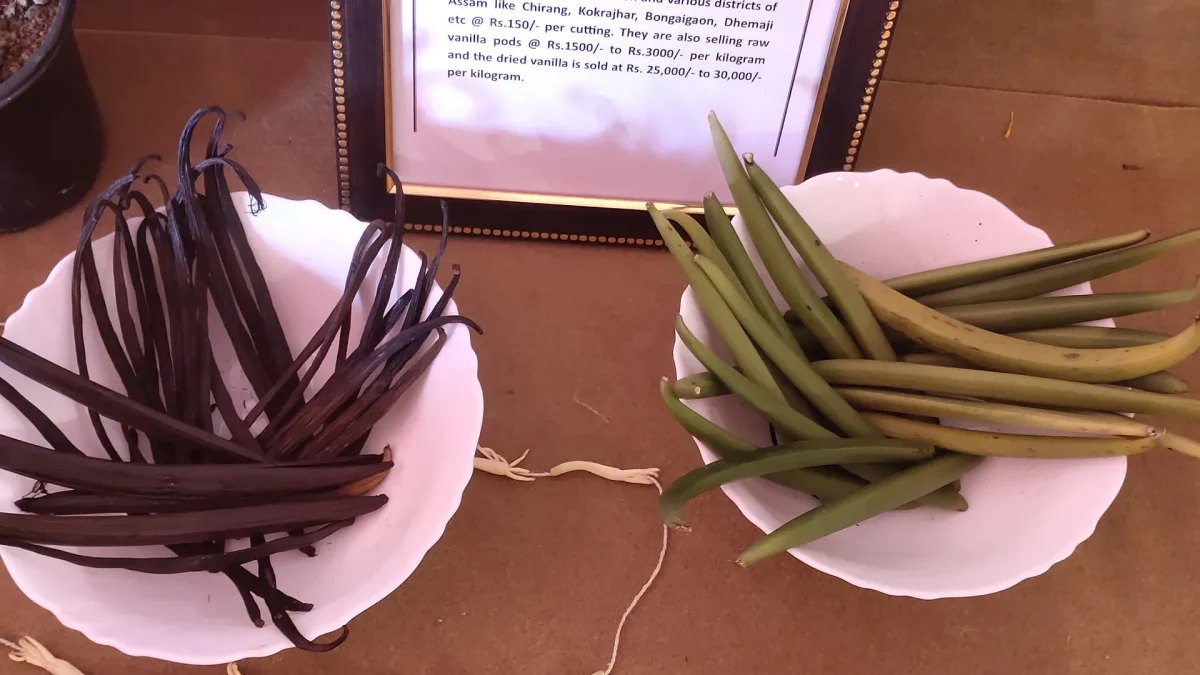
Most vanilla supplier pages are written for extract factories buying by the tonne. Working kitchens have different questions: which grade actually performs in a churned dairy base, how many beans a 5-litre batch needs, and whether anyone will sell you 250 grams instead of a full carton. Those are the questions we answer below, based on how our HoReCa buyers actually order.

The single most expensive mistake artisan producers make is buying one grade of vanilla for every job. Grade A gourmet beans are superb for infusion and plated garnish, but using them to build a house extract burns margin for aroma compounds you could get from Grade B at a fraction of the cost. The reverse mistake — putting drier extract-grade pods on a plated dessert — undersells your presentation.

Indonesian vanilla gives you the range to specialise. The market data behind this is straightforward: value in Indonesian vanilla concentrates in Grade A long pods with low defect rates and strong aroma, while Grade B trades meaningfully lower because it is graded for extraction performance, not appearance. Your recipe costing should exploit that spread deliberately.

Grade Mapping for Ice Cream, Gelato and Bakery Production

Grade A gourmet — infusion and garnish

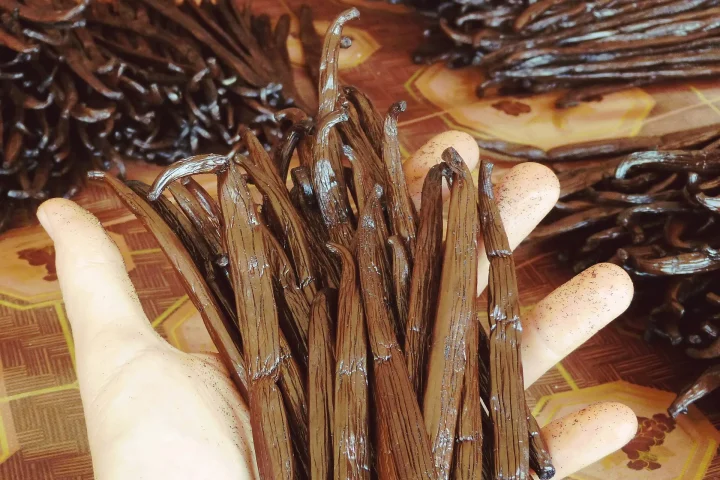
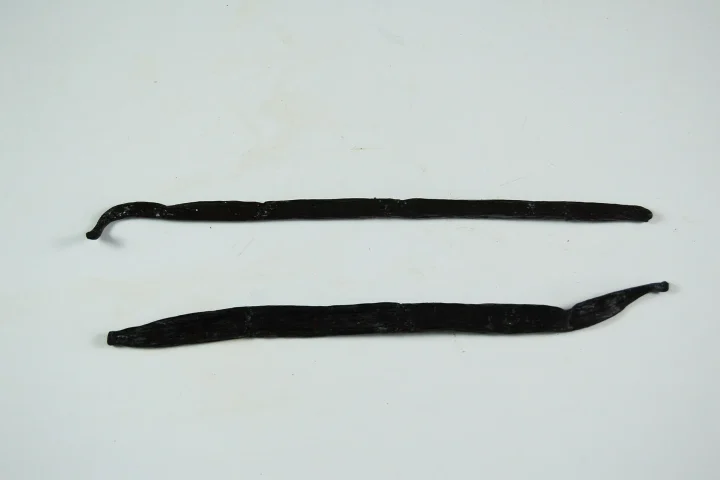
Supple, oily, visually intact pods are what you want steeping in a hot dairy base or split lengthwise on a dessert plate. Our Grade A gourmet vanilla beans are fully cured and conditioned Planifolia pods, flexible enough to split and scrape cleanly, with the moisture and oil content that makes an infusion release aroma evenly rather than dumping it all at once. For gelato makers running a classic crema base, one slow infusion with Grade A pods produces a rounder vanilla profile than dosing extract at the end.

Use Grade A when: the bean is visible to the customer, the infusion is the flavour backbone, or you are charging a premium for “real vanilla bean” on the menu.

Grade B extract-grade — economical extraction and baking

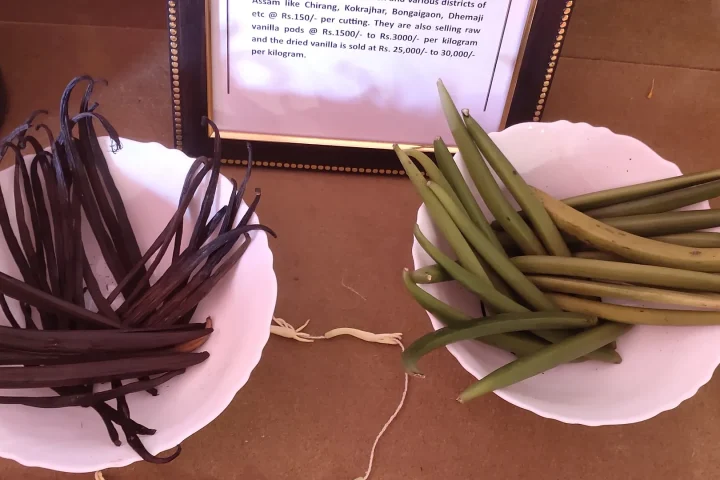
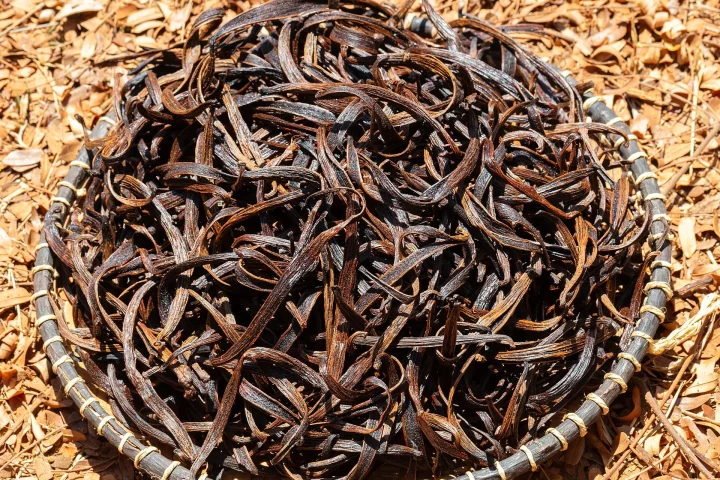
Grade B pods are drier and less photogenic, but their flavour compounds are exactly what a house-made extract or a baked application needs — and at indicative pricing of roughly US$20–50 per kilogram depending on vanillin content and pod quality, they are the economical workhorse for bakeries. Our Grade B extract vanilla beans suit producers who macerate their own extract, blitz whole pods into sugar, or bake at temperatures where Grade A’s visual appeal is irrelevant anyway.

Use Grade B when: the vanilla is extracted, blended, or baked in, and nobody ever sees the pod.

Vanilla caviar — visible specks without the labour

Scraping pods by hand is fine at ten litres a week. At a hundred, it becomes a payroll line. Bulk vanilla bean caviar — the scraped seeds supplied ready to dose — gives gelato and pastry teams the black-speck visual that customers read as “real vanilla” with zero scraping time. Caviar disperses evenly through a churned base and holds its visual definition in pastry cream, crème brûlée, and buttercream.

Use caviar when: speck visibility drives the purchase, throughput matters, and consistent seed density per batch is a spec, not a hope.

Indicative Pricing for HoReCa and Artisan Buyers

Vanilla is a commodity with real price movement, so treat the figures below as indicative ranges rather than a quote. Indicative wholesale levels for Indonesian vanilla at the commodity end sit roughly in the US$15–37 per kilogram band, while export-quality graded beans trade above that. Final pricing depends on grade, pod length, vanillin content, order volume, and destination — confirmed per order on request.

OptionBest-fit applicationIndicative pricingTypical format
Grade A gourmet PlanifoliaInfusion, garnish, plated dessertsFrom US$30–80/kg (indicative)Vacuum-sealed, by the kg or repacked
Grade B extract-gradeHouse extract, baked goods, vanilla sugarUS$20–50/kg (indicative)Vacuum-sealed bulk packs
Vanilla bean caviar (seeds)Visible specks in gelato, pastry creamOn requestFood-grade jars or pouches
Kitchen repack (250 g / 500 g)Recipe testing, low-volume kitchensOn requestSmall vacuum packs
Sample packBench trials before committingOn requestAssorted grades, air freight

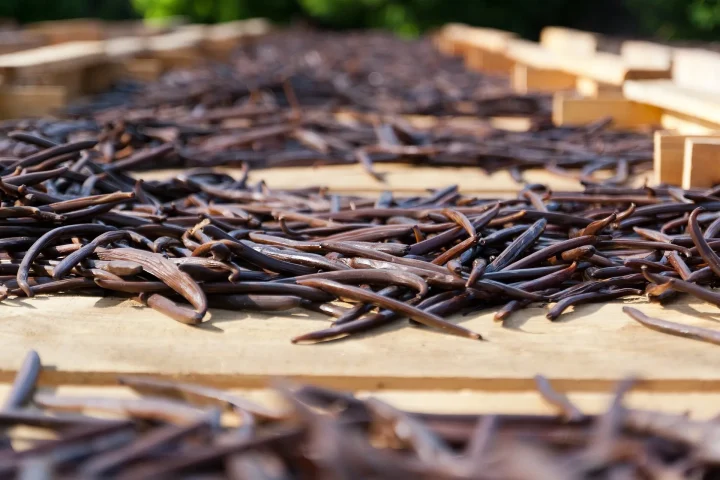
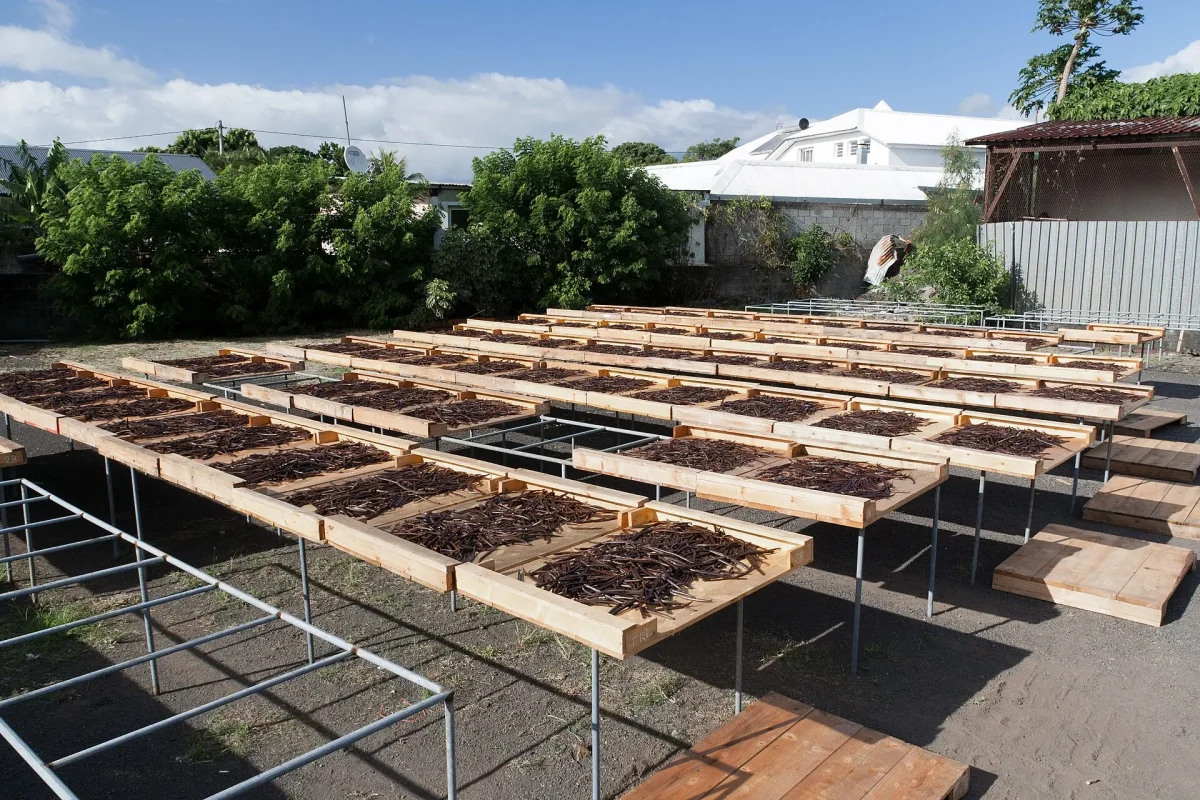
All beans ship fully cured and conditioned in vacuum-sealed, food-grade packaging with oxygen absorbers, which is what keeps moisture and aroma stable between our curing rooms in Indonesia and your kitchen.

How Much Vanilla Per Batch: Working Dosage Guidance

Dosage is recipe-dependent, but our producer clients converge on similar starting points. Treat these as bench-trial baselines and adjust to your base fat content and flavour target:

  • Gelato and ice cream (infusion): 1–2 Grade A pods per litre of dairy base is the common artisan starting range. Split, scrape, and steep pods and seeds in the hot base for 20–30 minutes, then strain at churning.
  • Gelato and ice cream (caviar): roughly 2–4 g of caviar per litre delivers strong speck visibility; dose at pasteurisation for even dispersion.
  • Pastry cream and crème anglaise: 1 pod per 500 ml of milk is a classic ratio; caviar can substitute at approximately 1.5–2 g per 500 ml.
  • Baked goods and vanilla sugar: Grade B pods blitzed into sugar at 1 pod per 250–500 g, or macerated for house extract at 10–15 pods per litre of spirit, held 8+ weeks.

To translate that into purchasing: fully cured Grade A pods at 16–18 cm typically run in the neighbourhood of 120–140 beans per kilogram, varying with length and moisture. A gelato lab churning 60 litres of vanilla base weekly at 1.5 pods per litre uses about 90 pods — roughly 0.65–0.75 kg per week, or around 3 kg per month. That single calculation usually tells a producer whether they should be buying repacks, monthly kilos, or bulk cartons.

Small-Format Repacks for Working Kitchens

You should not have to buy a full export carton to put real vanilla on your menu. We repack export-grade lots into 250 g and 500 g vacuum-sealed kitchen formats — the same beans, same lot traceability, same documentation, in a quantity a single pastry section can use while the beans are at their best. Repacks are the standard entry point for independent parlours, hotel pastry kitchens, and bakeries testing a new vanilla-forward line before committing to volume.

Each repack carries its lot reference, so when you scale up, you can request the same origin and curing profile you tested — you are scaling a known ingredient, not taking a chance on a new one.

Monthly Supply Programs for Growing Producers

Once a vanilla line is on the permanent menu, ad-hoc ordering becomes a risk: vanilla prices move, lots sell out, and a mid-season substitution can shift your flavour profile. Our recurring supply program fixes cadence and specification — an agreed grade, length band, and monthly quantity, shipped on schedule with consistent documentation. Pricing for scheduled volumes is agreed per cycle and confirmed on request, which typically works out more predictable than spot-buying through the season.

Producers whose volumes outgrow kitchen formats — central production units, franchise groups, manufacturers running continuous batches — move onto our bulk vanilla bean supply for food manufacturers, which covers carton and pallet quantities, sea freight economics, and multi-lot contracts under the same grading and traceability system.

Documentation Your Food Safety Program Will Ask For

HoReCa buyers increasingly answer to the same audit standards as manufacturers, so we document accordingly. Every lot ships with origin and farm traceability, moisture data, and a certificate of analysis with the measured vanillin range for that specific lot — we publish measured lot values rather than generic grade claims, because vanillin content varies pod to pod and your QA file should reflect what you actually received. Export shipments move under HS code 0905 with phytosanitary documentation through official quarantine channels, and we prepare the destination-specific paperwork for your market.

Bali Vanilla Export operates within Juara Holding Group, and the group’s publicly documented track record and recognitions are part of why first-time importers — often a single pastry chef ordering from another continent — are comfortable wiring a deposit to a supplier they found online.

Start With a Sample Batch, Not a Contract

No spec sheet substitutes for churning a test batch. Order through our vanilla bean sample order program and bench-test the grades side by side in your own recipes: infuse Grade A in your base, macerate Grade B for extract, dose caviar into a pastry cream. Samples ship by air freight, so most kitchens are testing within the week rather than waiting on a sea container.

Tell us what you produce and your weekly volume, and we will recommend a grade mix and starting quantities — most conversations take one WhatsApp exchange to turn into a shipped sample.

Commercial information only. Pricing, tariff codes, phytosanitary rules and import requirements change between seasons and destination markets — confirm current figures and documentation with your customs broker, freight forwarder and the competent authority in your import country before contracting. This page is not legal, tax or trade advice.

Frequently Asked Questions

Which vanilla bean grade is best for ice cream and gelato?

For infusion-led bases, Grade A gourmet pods give the roundest flavour release and can double as garnish. If your priority is visible specks at production speed, vanilla caviar dosed at pasteurisation is the practical choice. Many gelato labs use both: Grade A for the infusion, caviar to standardise speck density.

How many vanilla beans do I need per litre of gelato base?

A common artisan starting point is 1–2 Grade A pods per litre of dairy base, steeped 20–30 minutes in the hot base. With caviar, roughly 2–4 g per litre delivers strong flavour and clear speck visibility. Adjust to your fat content and flavour target after a bench trial.

Can I order small quantities for a single kitchen?

Yes. We repack export lots into 250 g and 500 g vacuum-sealed kitchen formats with full lot traceability, and the sample program lets you test assorted grades before any volume commitment. Exact minimums per destination are confirmed on request.

Do the beans come with documentation for my food safety file?

Every lot ships with origin traceability, moisture data, and a certificate of analysis stating the measured vanillin range for that lot, plus phytosanitary documentation for the export shipment under HS code 0905. Destination-specific paperwork is prepared per order.

Can deliveries be scheduled monthly?

Yes. The recurring supply program locks an agreed grade, length band, and monthly quantity, shipped on a fixed cadence with consistent documentation. Pricing per cycle is agreed in advance and confirmed on request, which most producers find steadier than spot-buying.

Planifolia or Tahitensis for bakery work?

Planifolia is the classic, vanillin-forward profile most customers recognise in ice cream and baked goods. Tahitensis is more floral and anise-toned, and shines in delicate applications like panna cotta or white-chocolate pairings. If you are unsure, request both in your sample pack and let the recipes decide.

Get a Sample Quote for Your Kitchen

Send us your product type, weekly volume, and destination country, and we will reply with a recommended grade mix, indicative pricing for your quantities, and a sample shipment plan. Message us on WhatsApp at wa.me/6281139414563 for the fastest response, or email [email protected] with your recipe requirements — either way, you will be testing Indonesian vanilla in your own batches within days, not months.

Chat with us
Scroll to Top
Request Quote WhatsApp