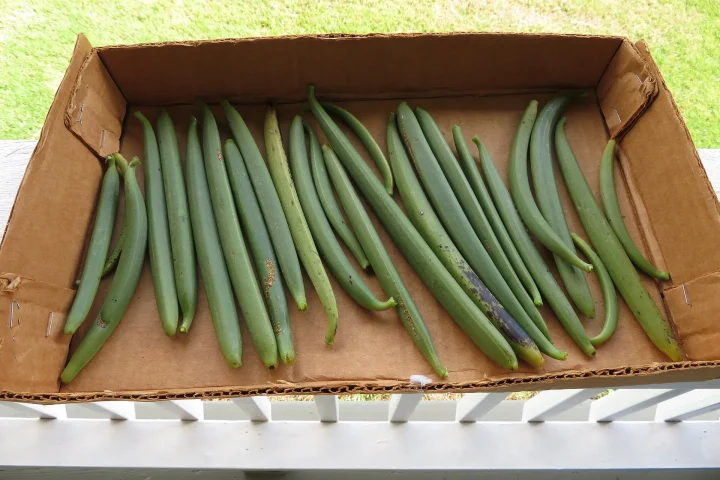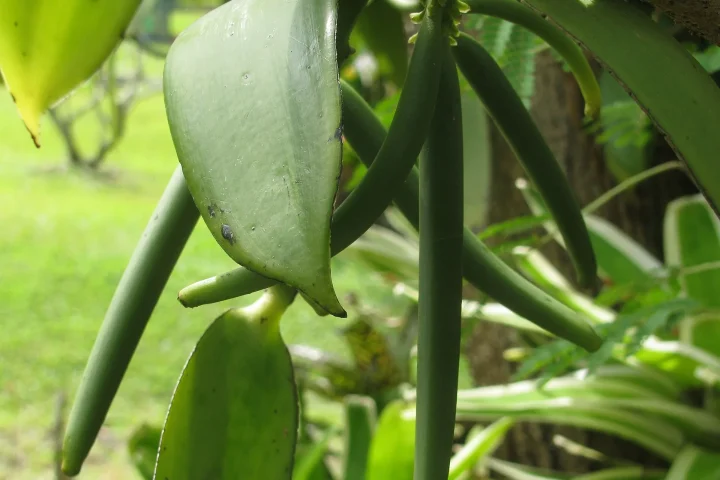
Indonesia’s strongest vanilla export opportunity for 2026–2027 sits in premium Planifolia whole beans from three origins: Bali, Alor, and Papua. This page explains how each origin’s terroir shapes the cured bean, how our farm partnerships and QR-linked lot traceability work, and how to match an origin to your application before you request a single-origin quote.
If you buy vanilla by the container or by the carton, origin is not a marketing flourish. It determines curing conditions, moisture behaviour in transit, aroma profile, and the price you can justify to your own customers. Buyers in the United States, Indonesia’s largest vanilla export market in 2025 at US$8.25 million, along with France, Germany, the Netherlands, and China, increasingly ask for origin on the spec sheet, not just a country of export. This hub gives you the working knowledge to answer that question, then routes you to the right product page for your grade and volume.
Why Origin Matters in Indonesian Vanilla
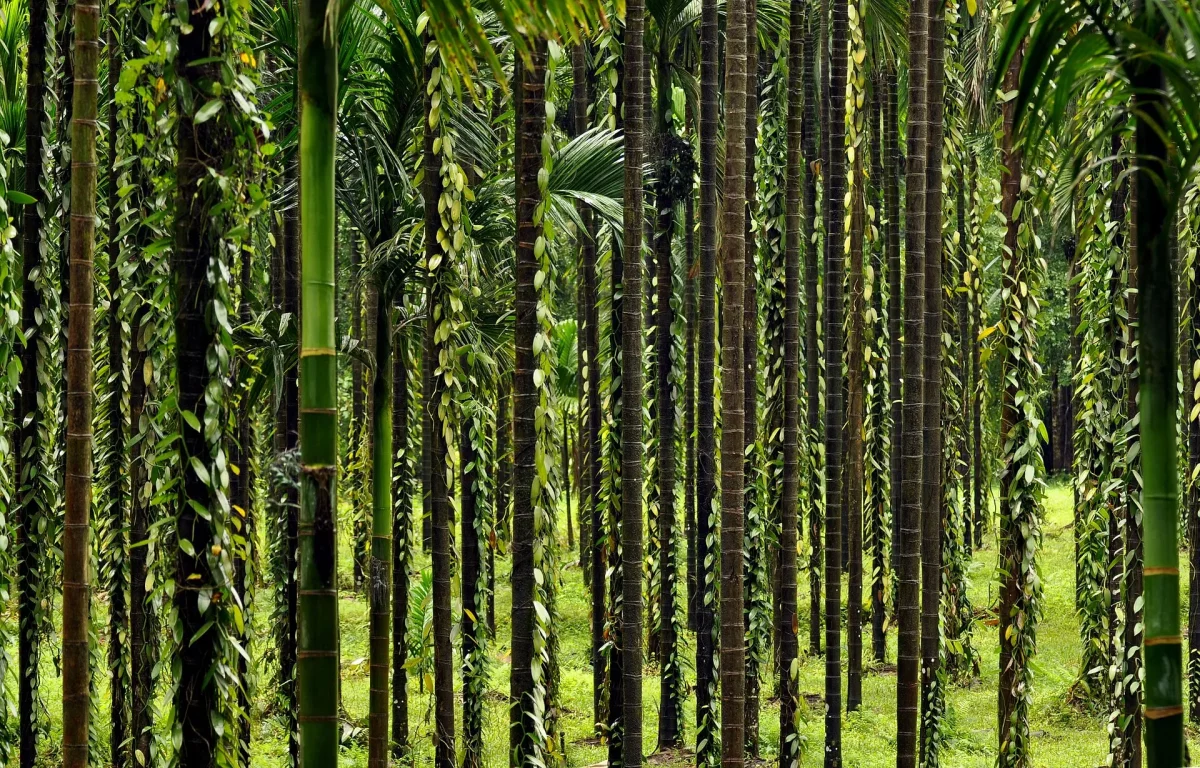
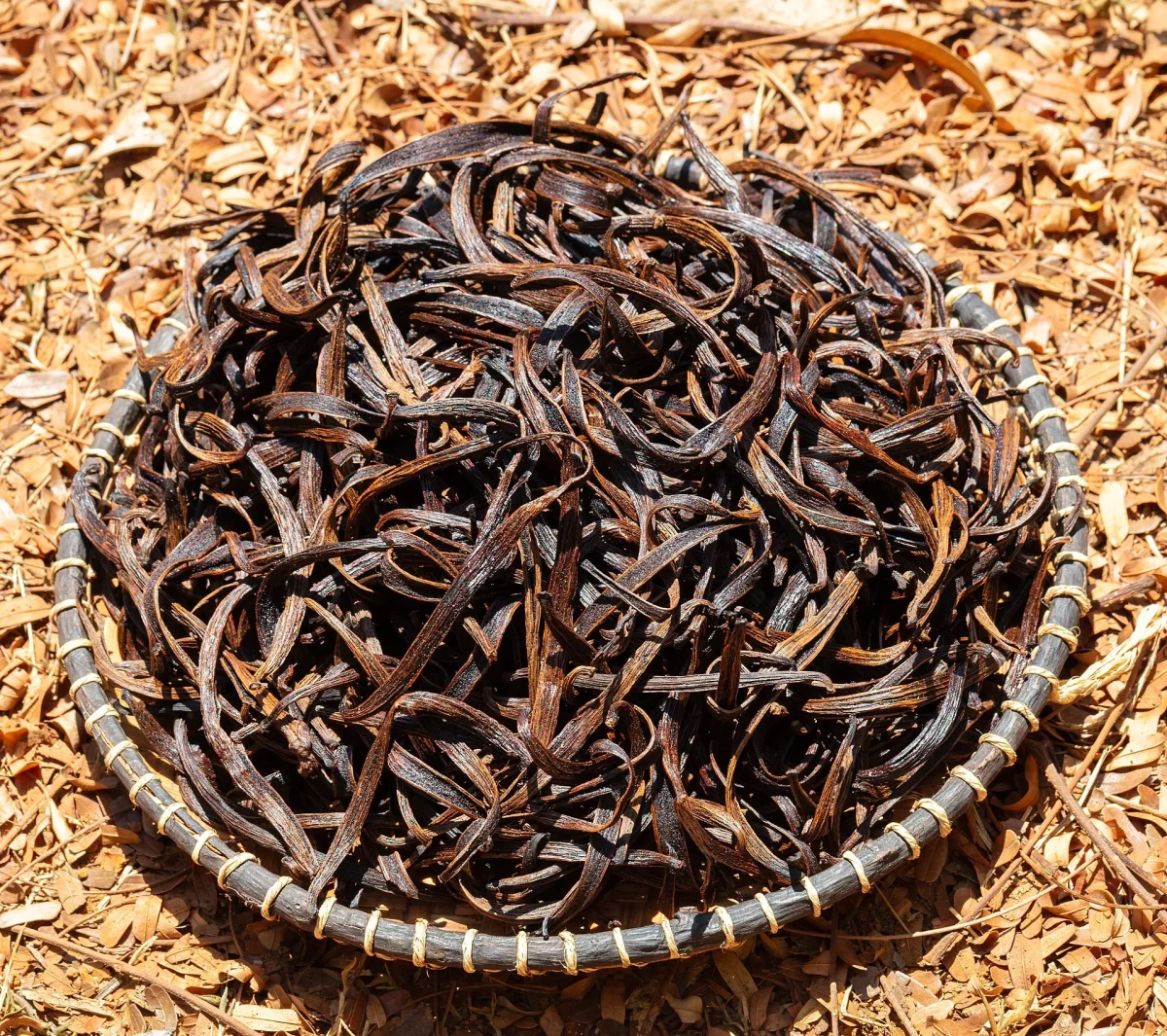
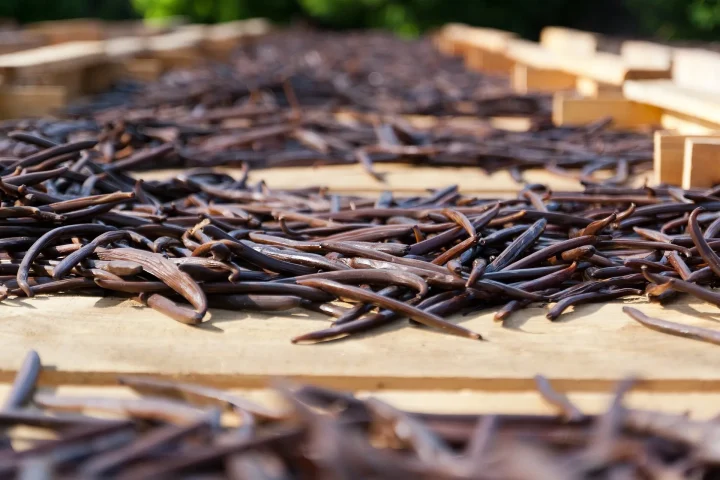
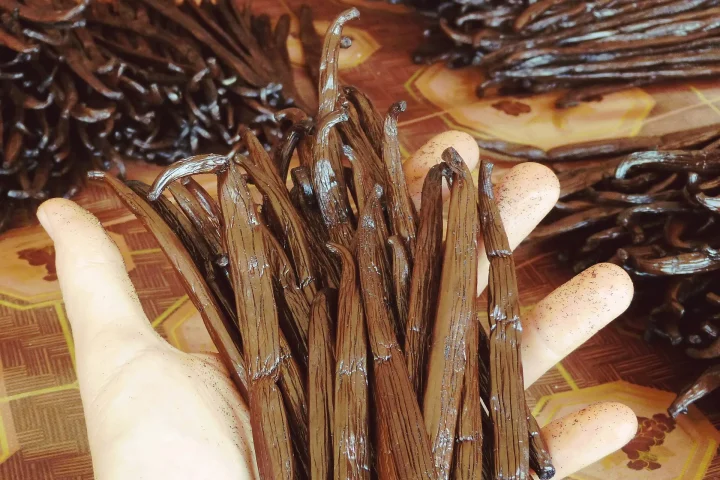
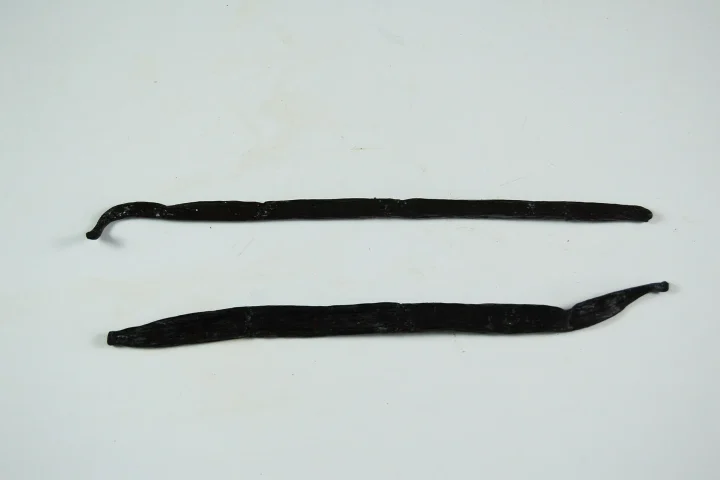
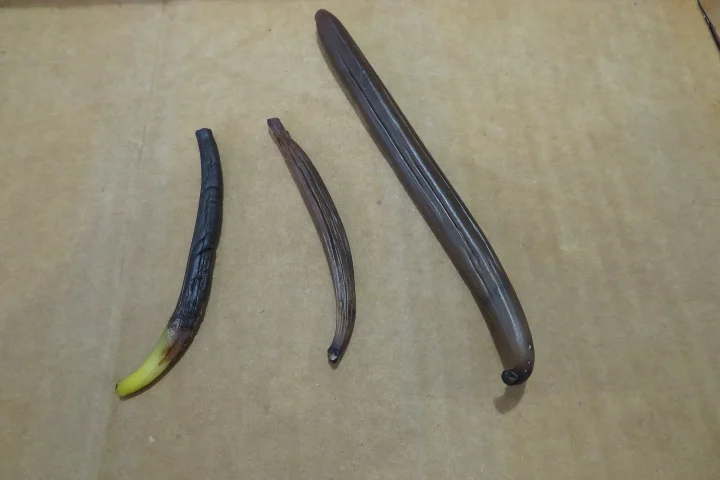
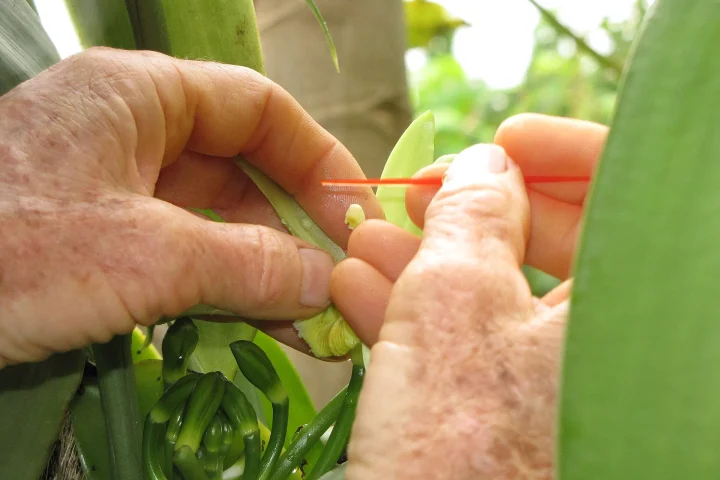
All three of our origins grow Vanilla planifolia, the species behind classic extract and gourmet applications. What separates a Bali lot from an Alor or Papua lot is everything that happens around the vine: soil, rainfall pattern, altitude of the plot, the farmer’s pollination discipline, and the curing station’s sweating and drying rhythm. High-quality Indonesian vanilla is built through a long sequence of hand pollination, selective harvesting, sweating, slow drying, and conditioning, and each origin runs that sequence under different weather. The result is real, repeatable variation between origins even at the same grade.
That variation is why we sell single-origin lots rather than anonymous blended stock. A blended shipment can hide inconsistency; a single-origin lot with a lab report cannot. Every lot is tied to one origin, one harvest window, and one set of lab-tested COA specifications covering measured moisture and vanillin content, because vanillin varies by harvest and curing batch, not just by island.
For a deeper look at the species itself, including how it compares with Tahitensis, start with our Planifolia vanilla beans from Indonesia page, then come back here to choose your origin.
Single-Origin Terroir Profiles
Bali: Volcanic Soils and Mature Curing Infrastructure
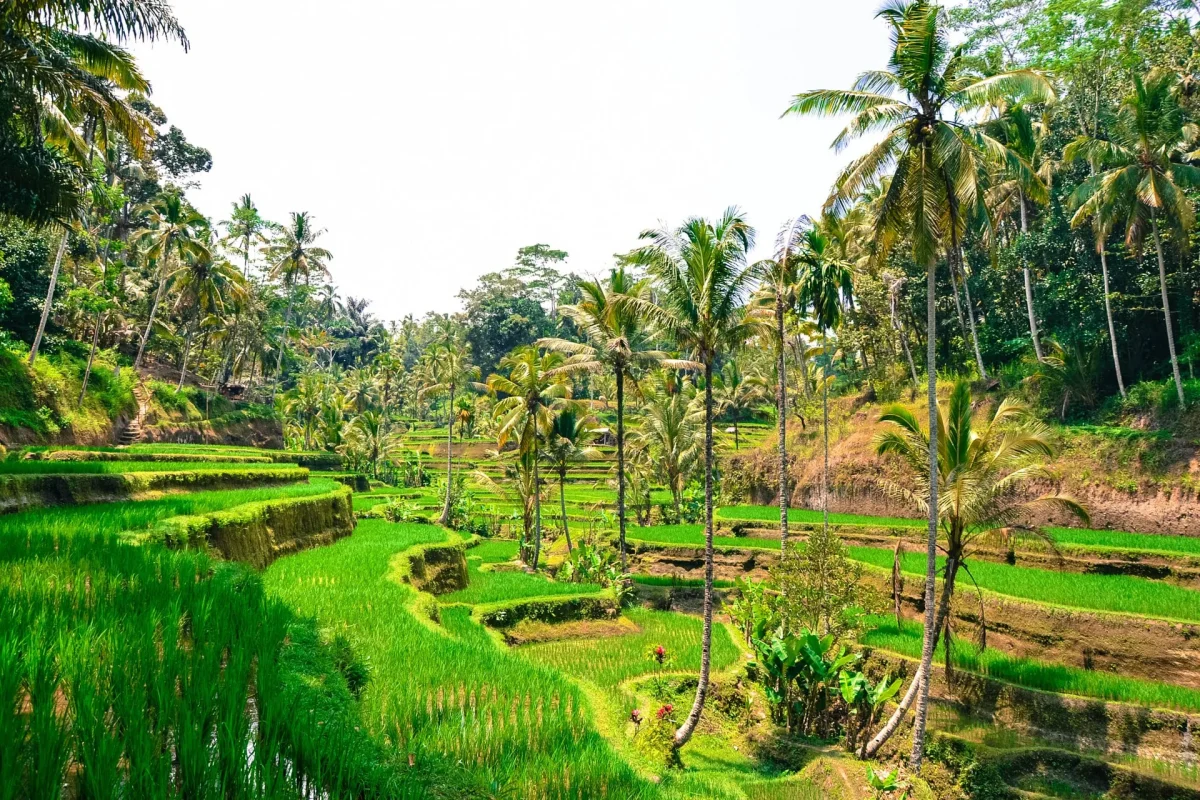
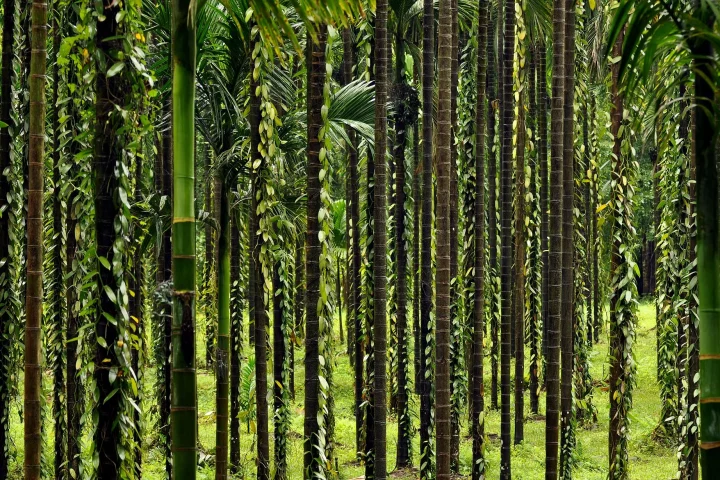
Bali is the most established of our three origins. Vanilla here grows on smallholder plots in the island’s volcanic uplands, where mineral-rich soils and a defined wet-dry rhythm support consistent pod development. Just as important, Bali has the deepest curing expertise in our network: farmers and curing stations have worked export-grade vanilla for years, so sweating and drying are disciplined and moisture control is reliable. Bali lots suit buyers who want predictable, well-conditioned beans with strong visual presentation, which is why our wholesale Bali gourmet vanilla beans direct from farm program is built around this origin.
Alor: Dry-Climate Concentration from East Nusa Tenggara
Alor, in East Nusa Tenggara, is a drier island with intense sun exposure and a shorter, sharper wet season. Vines grow more slowly here and yields per plot are lower, but the drier conditioning environment works in the farmer’s favour: beans cure in stable, low-humidity air, which reduces mould pressure during drying and tends to produce a firm, well-concentrated pod. Alor is a smaller-volume origin in our portfolio, so lots are released in limited quantities and allocated to buyers who confirm early. It is a strong choice for gourmet applications where a distinctive origin story adds value on your side of the transaction.
Papua: Rainforest-Edge Plots and Frontier Volume
Papua is Indonesia’s frontier vanilla origin. Plots sit at the edge of rainforest zones with generous rainfall and rich organic soils, and the region has room to scale in a way Bali and Alor do not. The curing culture is younger, so our team works directly with Papua curing stations on sweating schedules and drying discipline until lots reaching the export warehouse meet the same moisture and grading standards as our Bali stock. For extract manufacturers planning multi-year supply growth, Papua is the origin to watch.
Farm Partnerships, Documented in Photographs
We do not buy anonymous beans from collectors and relabel them. Each origin is served by named partner farms and curing stations, and every partnership is documented visually: photographs of the plot, the farming family, the vines in flower, and the curing station where the lot was processed. That photo dossier travels with the lot paperwork, so when your quality team asks where a shipment came from, you can show them, not just tell them.
Farm partnerships also carry obligations on our side. We commit to purchase agreements before harvest where possible, support good agricultural practice on partner plots, and fold environmental and farmer-welfare commitments into our sustainability program. This structure is part of how our parent group operates across all of its Indonesian ventures; the founding story of Juara Holding Group explains the long-term, relationship-first approach that shapes how we work with growers.
QR-Linked Traceability on Every Lot
Every export lot carries a QR code on the master carton and on the lot certificate. Scanning it opens the lot’s traceability record: origin island and district, partner farm identity, harvest window, curing station, curing dates, and the lot’s laboratory results for moisture and vanillin. This is the trust signal serious buyers now expect, and it removes the most common friction point in vanilla sourcing: the gap between what a supplier claims and what a buyer can verify.
Traceability also protects you commercially. If your customers, auditors, or import authorities ask you to evidence origin, the QR record and accompanying documents answer the question in minutes. Vanilla ships under HS code 0905 with phytosanitary documentation through official quarantine channels; because destination paperwork varies by market, we prepare a country-specific document set for each shipment. Packing and freight details are on our shipping and export page.
A note on compliance: the export, customs, and import-regulation information on this page is provided for general orientation only and does not constitute legal, tax, or financial advice. Import rules, tariffs, and food-safety requirements change and vary by destination country, so always verify current requirements with your own customs broker, licensed legal counsel, or the relevant import authority before committing to a shipment.
Indicative Pricing by Origin and Grade
Vanilla is a negotiated commodity, and single-origin premium lots price above blended commodity stock. The figures below are indicative ranges only, based on 2026 market benchmarks and our own export quotations; every firm offer is issued per lot, against the lot’s COA, with final pricing on request.
| Lot type | Origins available | Indicative price (per kg) | Notes |
|---|---|---|---|
| Grade A gourmet whole beans | Bali, Alor, Papua | Indicative US$30–80 | Priced by vanillin content and pod quality; per-lot COA supplied |
| Grade B extract-grade beans | Bali, Papua | Indicative US$20–50 | Sold on measured vanillin, not appearance; ideal for extraction |
| Indonesia wholesale benchmark, all grades | Market reference | US$14.76–36.90 | 2026 published benchmark for context, not our quotation |
| Single-origin sample set | Bali, Alor, Papua | On request | Air freight; compare all three origins side by side |
| Trial and container orders | By allocation | On request | Sea freight in vacuum-sealed food-grade packs with oxygen absorbers |
For context, Indonesia’s 2025 trade data imply an average export value of roughly US$46 per kilogram across all vanilla exports, which shows how much of the market’s value concentrates in premium, well-cured beans. Where a lot sits inside these ranges depends on measured vanillin, pod length, defect rate, and moisture, all of which appear on the lot documents before you commit.
How to Choose an Origin for Your Application
There is no single best origin; there is a best origin for your product. A practical way to decide:
- Extract and flavour manufacturing: prioritise measured vanillin per dollar over appearance. Grade B extract-grade beans from Bali or Papua usually deliver the strongest economics, and Papua offers the clearest path to scaling volume across seasons.
- Gourmet retail, patisserie, and premium food service: visual quality and aroma presentation matter as much as chemistry. Grade A gourmet beans from Bali give you consistency; Alor gives you a limited-allocation origin story that supports premium positioning.
- Private-label and D2C brands: single-origin labelling differentiates a crowded shelf. The QR-linked traceability record can be surfaced to your end customers as proof of provenance.
- Buyers comparing species: if your formulation calls for the floral, anise-forward profile of Tahitensis rather than classic Planifolia, see our Tahitensis vanilla beans page before fixing your origin.
If you are undecided, order the three-origin sample set. Testing Bali, Alor, and Papua side by side in your own application answers the question faster than any spec sheet.
From This Page to a Firm Offer
This origin hub is the education layer; the transaction happens on the product pages. The usual first-time path: choose a likely origin and grade here, review the relevant product page, request samples with lot COAs, validate in your application, then confirm a trial order before committing to container volume. Our quality assurance process governs every step from curing station intake to container loading. Repeat buyers typically move to allocation: we reserve lots from their preferred origin each harvest, which matters most for Alor, where volume is genuinely limited, and for multi-year Papua supply agreements.
Frequently Asked Questions
What is the practical difference between Bali, Alor, and Papua vanilla?
All three origins grow Planifolia, so the differences come from terroir and curing. Bali offers the most mature curing infrastructure and the most consistent presentation, Alor’s dry climate produces firm, concentrated pods in limited volumes, and Papua pairs rainforest-edge growing conditions with the greatest room to scale. At the same grade, all three meet the same moisture and documentation standards.
Do you publish vanillin content for each origin?
We publish measured vanillin per lot, not per origin. Vanillin varies with harvest window and curing batch, so a generic origin-level number would mislead more than it informs. Every lot ships with a laboratory COA stating measured vanillin and moisture, and the same figures appear in the QR-linked traceability record.
What is the minimum order for a single-origin lot?
Sample sets and trial quantities are available on request, with air freight for urgent evaluation. Container volumes move by sea in vacuum-sealed food-grade packaging with oxygen absorbers. Because Alor allocations are limited, we confirm minimums per harvest rather than publishing a fixed sitewide MOQ; send us your target volume for current options.
How does the QR traceability actually work?
Each lot receives a unique code printed on the master carton and lot certificate. Scanning it opens the lot record: origin district, partner farm, harvest window, curing station and dates, and lab results. The record matches the paper documents in your shipment file, so your quality team and your customers can verify provenance independently.
Which documents accompany an export shipment?
Vanilla is traded under HS code 0905. Shipments are prepared with phytosanitary documentation through official Indonesian quarantine channels, plus invoice, packing list, lot COA, and the traceability dossier. Destination-country requirements differ, particularly for EU-bound organic-labelled cargo, so we prepare a country-specific document set for each shipment and confirm it with you before loading.
Can I combine origins in one shipment?
Yes. Many buyers ship, for example, Bali Grade A cartons alongside Papua extract-grade volume in the same container. Each origin remains a separate lot with its own COA and QR record, so combining origins in one shipment never means blending them in one bag.
Request Single-Origin Samples or a Lot Allocation
Tell us your application, target grade, and monthly volume, and we will respond with current lot availability from Bali, Alor, and Papua, including COAs and indicative pricing. Message our business development desk on WhatsApp at +62 811-3941-4563 for the fastest reply, or email [email protected] with your specifications and destination market. You can also start with a formal quote request and we will follow up with the origin comparison relevant to your use case.