Sustainability: responsible vanilla sourcing from Indonesia
Direct trade with farming communities, shade-grown cultivation and community investment — sustainability built into our standard business model, not added as a premium.
Three connected pillars
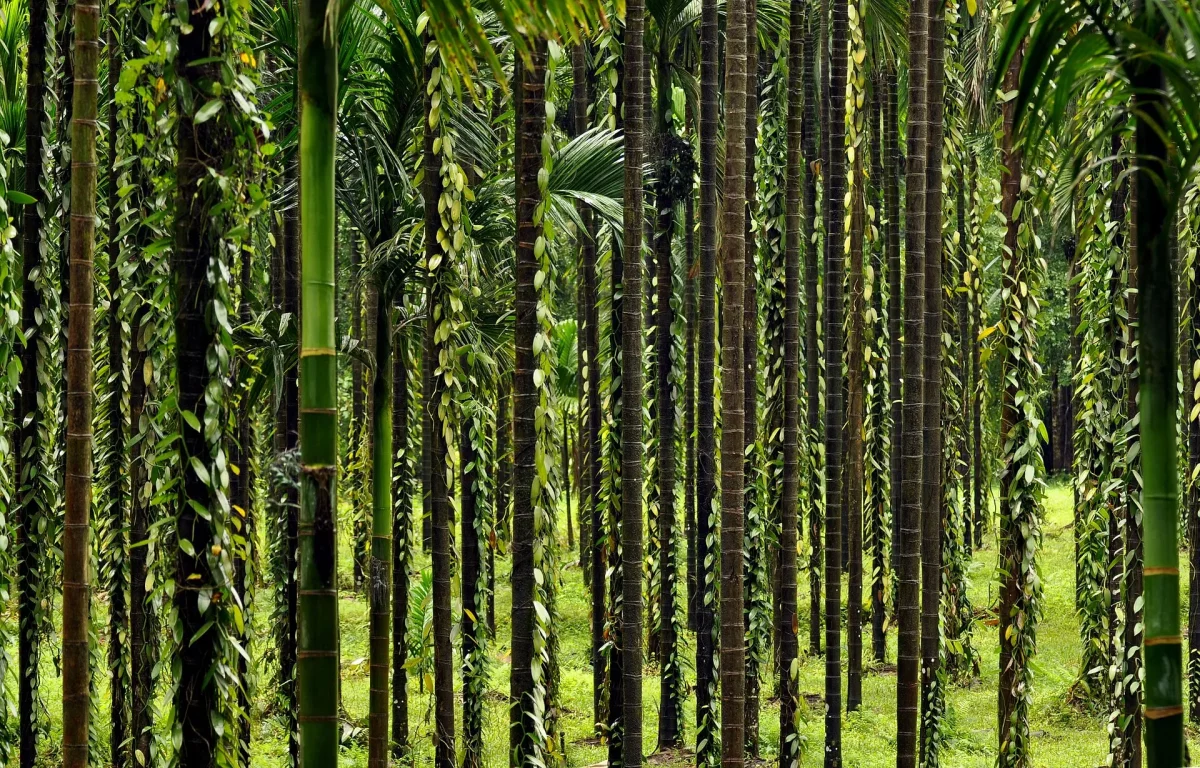
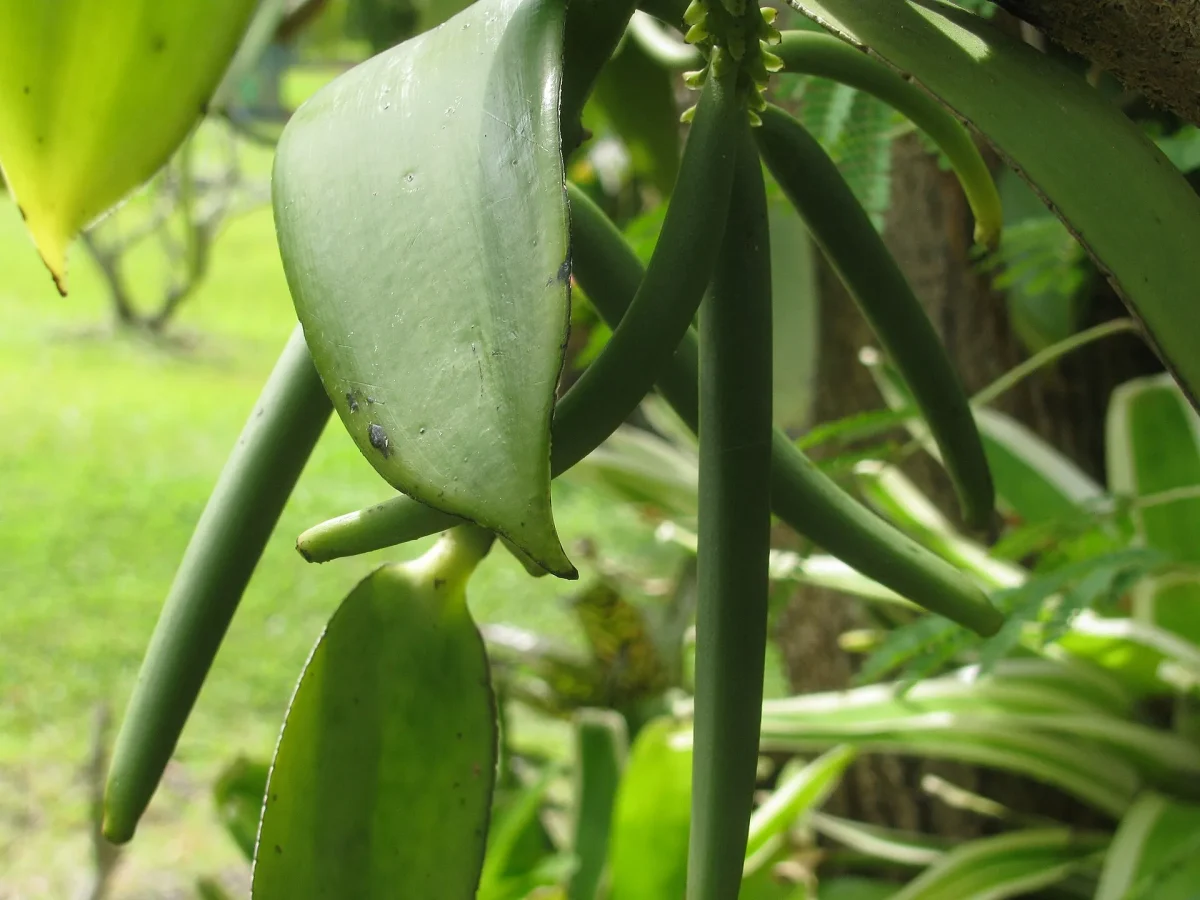
The long-term viability of Indonesian vanilla depends on healthy farming communities, preserved ecosystems and transparent trade. Our approach covers economic sustainability for farmers, environmental stewardship in growing regions, and social responsibility through community investment.
- A documented sustainability story for your own brand
- Supports retailer requirements for supply chain documentation
- Reduced supply chain risk through healthy farming ecosystems
- Access to organic and fair-trade certified products
Fair pricing and direct trade
Direct procurement removes middlemen who compress farmer margins and encourage premature harvesting.
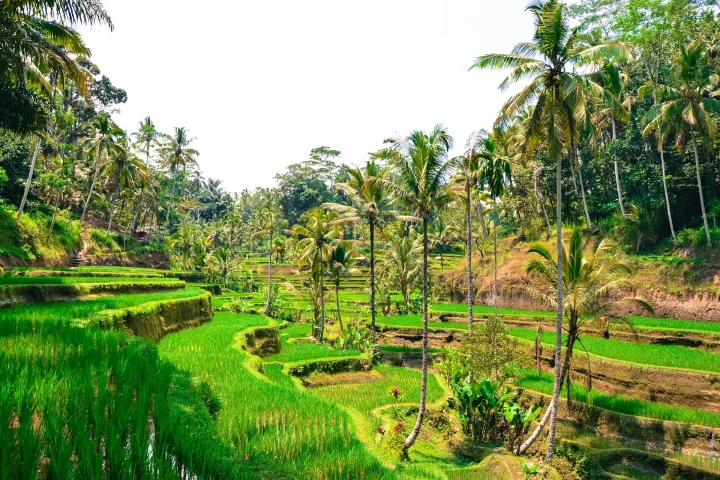
Vanilla grown with the forest
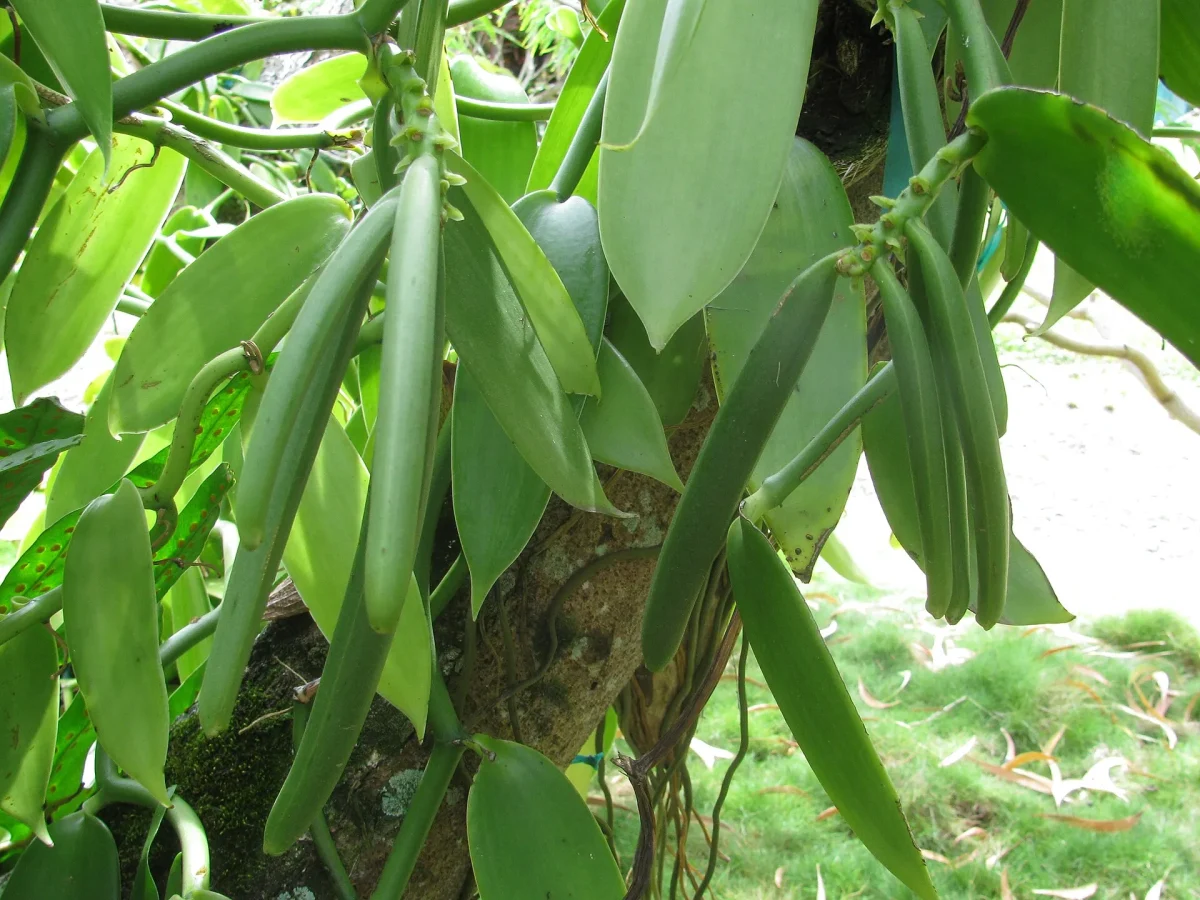
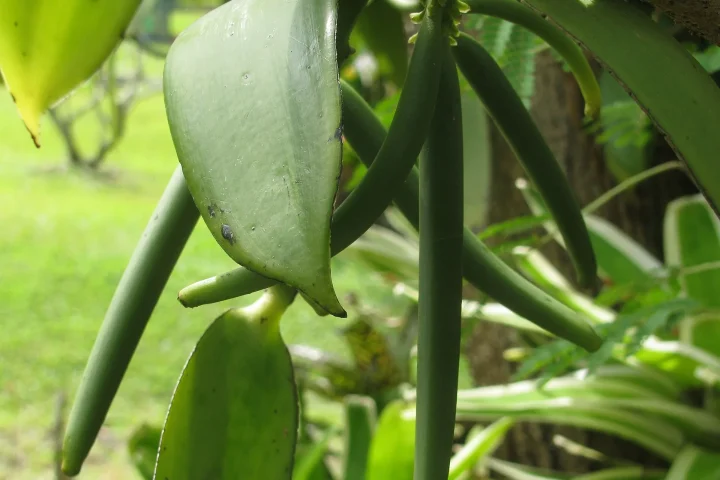
Vanilla orchids naturally thrive as epiphytic vines in tropical forest, making vanilla farming compatible with forest conservation and agroforestry. These practices also form the foundation for organic certification through accredited bodies.
- Shade-growing under native trees rather than clearing for monoculture
- Training in organic pest management to reduce chemical use
- Support for reforestation in vanilla-growing regions
- Mulching, composting and minimal tillage to protect volcanic soils
Investing in farming communities
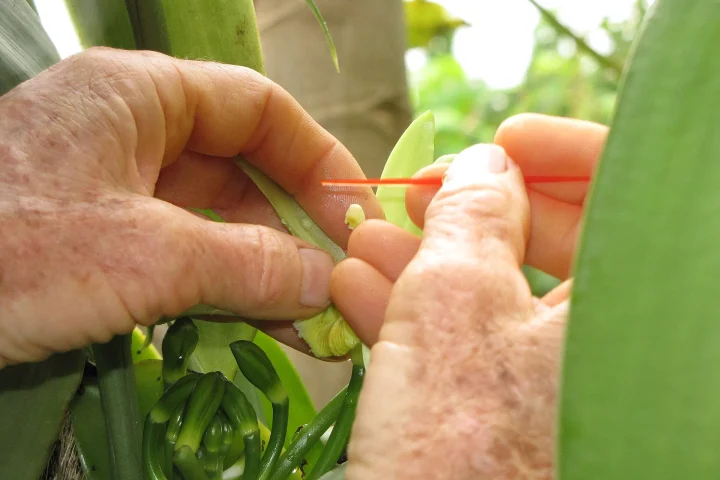
Vanilla farming sustains smallholder families across rural Indonesia, many in remote regions.
More in Quality & Origin
Sustainability questions
Can you provide documentation for our supply chain audits?
Yes. We document farmer relationships, pricing structures, training programmes and environmental practices for buyers conducting due diligence, and can arrange direct communication between auditors and our farming partners.
Do you have fair-trade certification?
We apply fair-trade principles through direct trade. For formal certification (Fairtrade International or Fair Trade USA), we work with accredited bodies to supply certified product through dedicated supply chains — specify your requirements so we can confirm availability and pricing.
How does sustainable sourcing affect pricing?
Conventional pricing already reflects fair farmer compensation. Formally certified products (organic, fair-trade) carry a modest premium to cover certification costs and dedicated supply chain management.
What percentage of your vanilla is organically grown?
Approximately 15–20% of current sourcing volume comes from certified organic cooperatives. Many conventional beans are grown with organic-compatible methods — minimal chemical inputs, shade-grown, natural pest management — without formal certification.
Source vanilla with a documented story
Tell us your certification and audit requirements along with grade and volume, and we will confirm availability and documentation.