
Bali Grade A vanilla beans for extract production
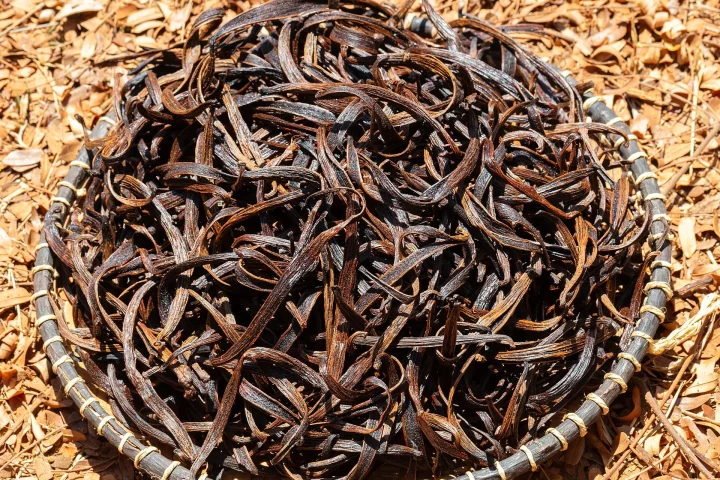
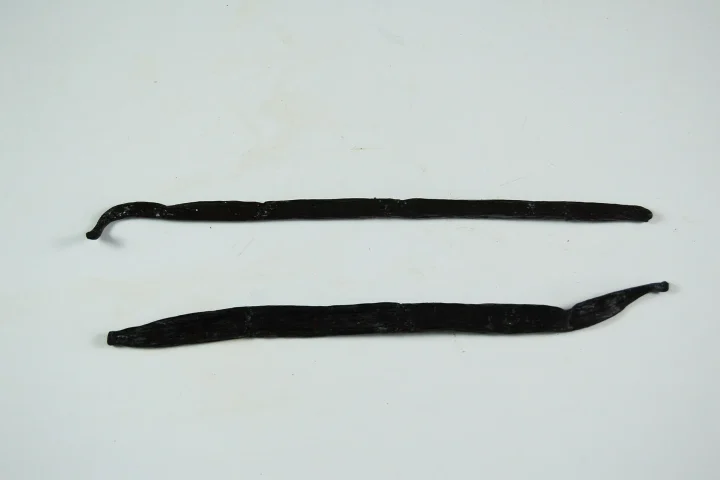
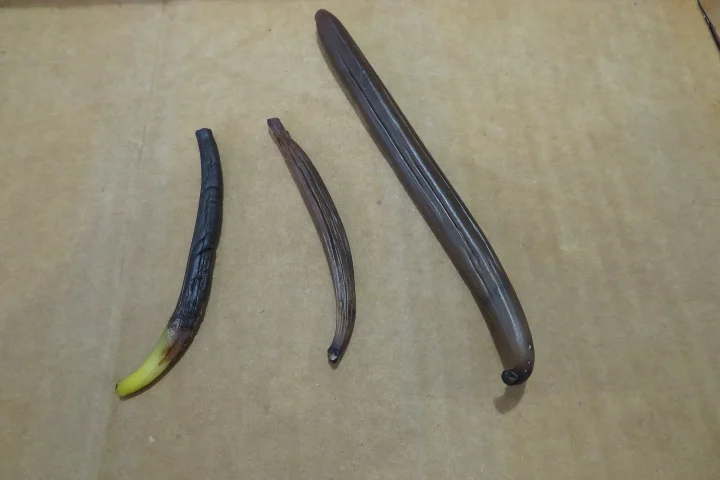
Grade A beans are moist and pliable for rich, premium extract; Grade B beans are drier with minor imperfections yet excellent for robust, cost-effective extraction. Both give manufacturers authentic Indonesian vanilla.
Keep beans at their best
Store beans airtight, away from sunlight and excessive heat or cold, ideally at 15–20°C. Do not refrigerate — it dries beans and crystallises vanillin. Stored correctly, quality holds for up to two years.
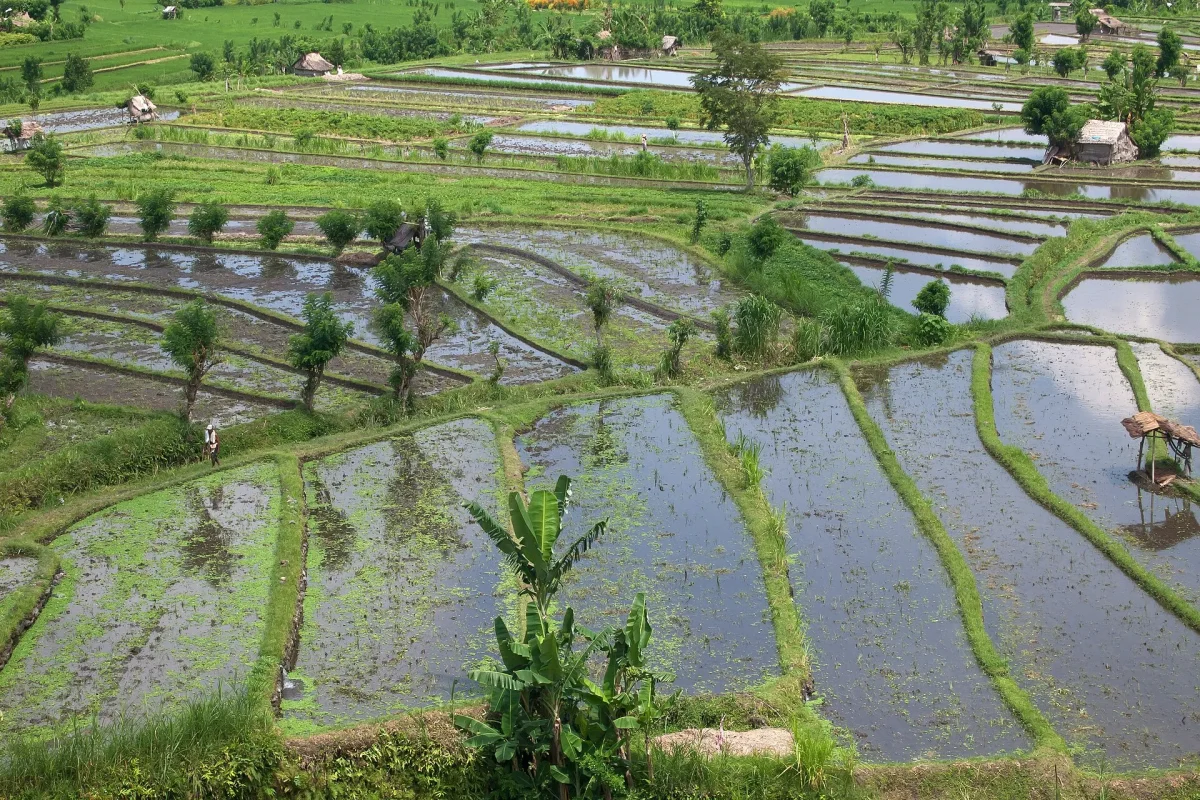
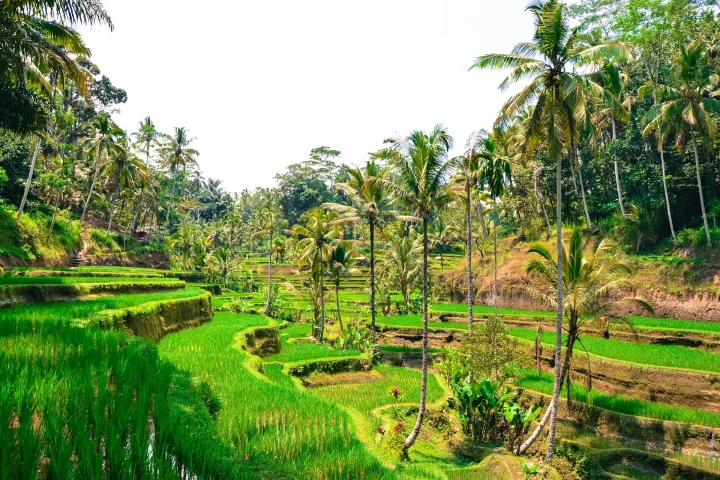
We work directly with Bali farmers, supporting their communities and environmentally responsible farming, with traceable origin for every lot.
- Export packaging designed to maintain moisture levels
Two routes to quality extract
Bali terroir gives a sweet, woody and slightly fruity profile sought by extract makers.
Grade A vs Grade B for extraction
Both grades suit extract production — the choice depends on flavour intensity, moisture and budget.
| Moisture | Grade A 25–30% · Grade B 15–20% |
|---|---|
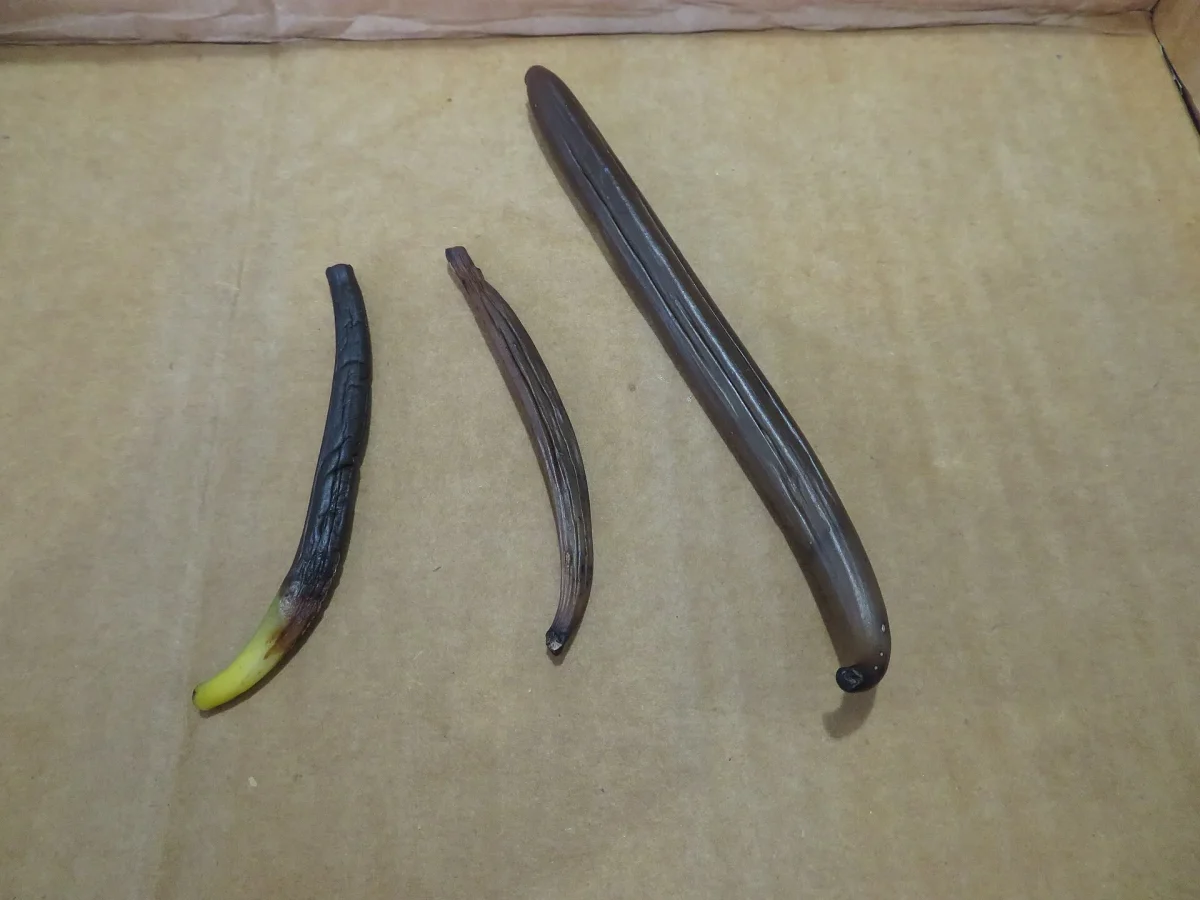
| Appearance | Grade A dark, oily sheen, no splits · Grade B drier, minor splits or length variation |
| Aroma | Grade A intensely sweet, creamy, complex · Grade B strong, authentic vanilla |
| Extraction | Grade A releases aromatics readily · Grade B more solids per kg |
| Best for | Grade A premium, full-bodied extract · Grade B large-scale, cost-effective extract |
Some extractors blend both grades to balance flavour and optimise cost.
Where vanillin develops
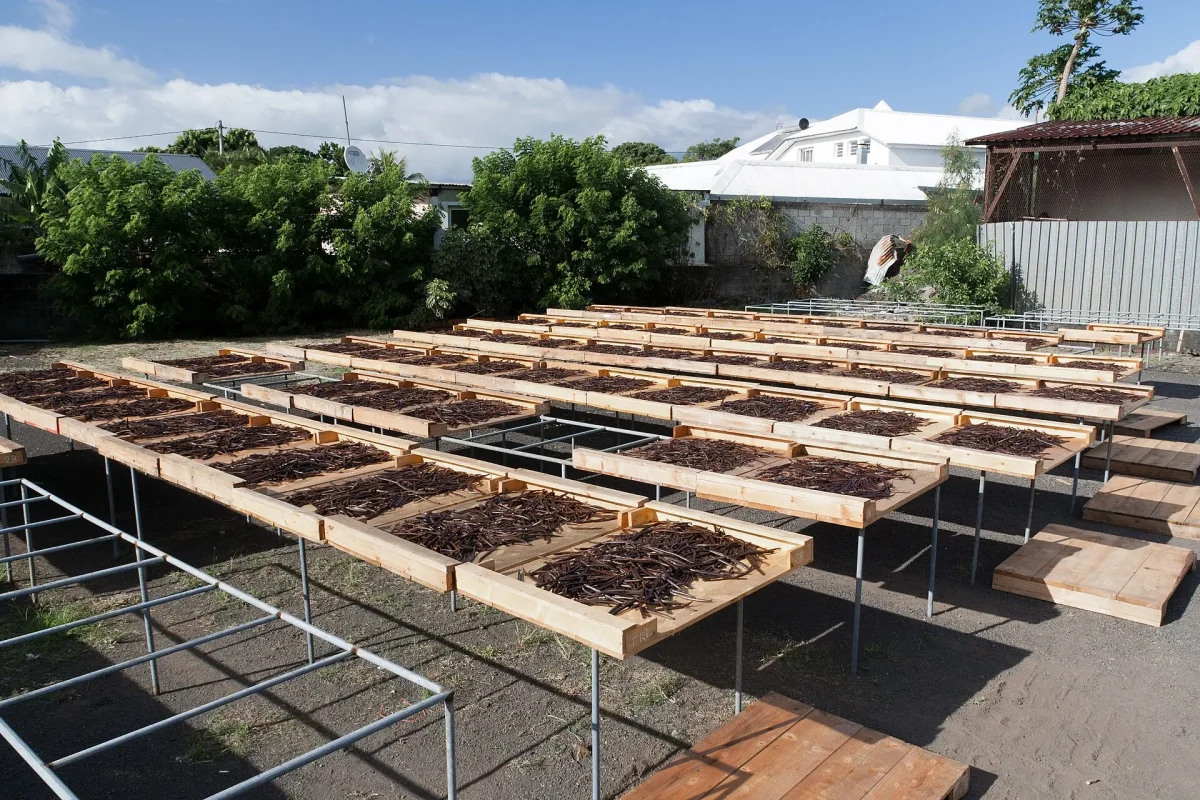
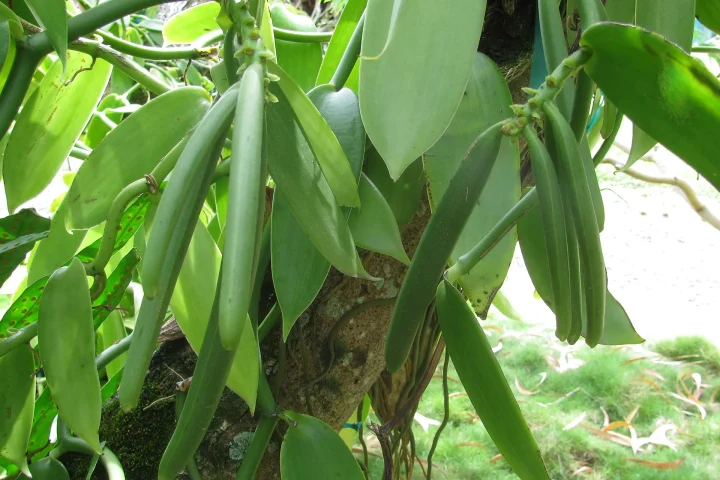
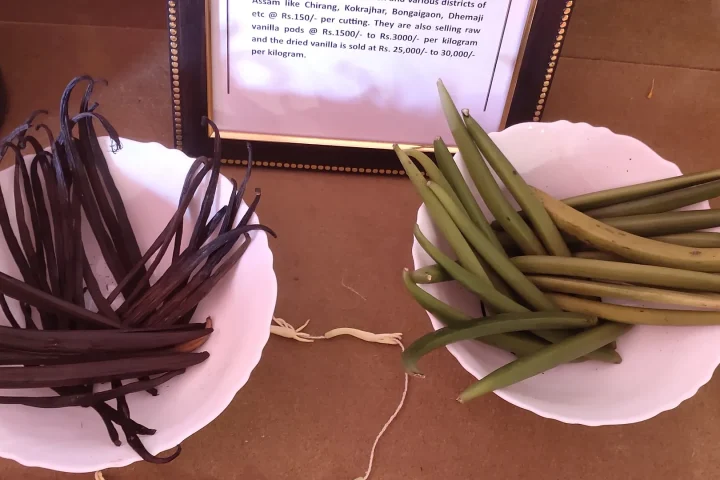
Quality in both grades is largely set by a multi-stage curing process lasting several months. Growers combine traditional methods with modern quality controls so each batch reaches peak flavour, ready for extraction and stable in transit.
- Scalding
- Sweating
- Drying
- Conditioning
More in Products
Extract-grade questions
What are the key differences between Grade A and Grade B for extract?
Grade A is moist (25–30%), pliable and visually perfect for rich, high-end extract. Grade B is drier (15–20%), may have cosmetic flaws and is potent in vanillin — a cost-effective choice for large-scale extraction.
When is the Bali harvest season?
The main harvest in Indonesia, including Bali, typically falls in the dry season, generally May to September. Micro-climates and farming practices can shift timing slightly.
How do Bali beans compare to other origins for extract?
Bali beans offer sweet, woody and sometimes subtly fruity notes — distinct from the creamy, buttery Madagascar Bourbon profile or the floral, cherry-like Tahitian profile — giving extract makers room to differentiate.
Source Bali beans for your extract line
Tell us your target grade or blend, volume and destination and we will prepare a quotation.