Choosing the correct vanilla bean grade is one of the most impactful decisions a B2B buyer can make — it directly affects product quality, production costs, flavor consistency, and customer satisfaction. Yet many buyers, especially those new to vanilla sourcing, select their grade based on assumptions rather than data-driven analysis of their specific application requirements.
This guide provides a practical framework for matching vanilla grade to application, with detailed specifications, cost analysis, and recommendations based on real-world procurement patterns across different industries.
Understanding Vanilla Grading
Vanilla grading is not a universal standard — specifications vary between producing countries, certification bodies, and individual exporters. However, the fundamental distinction between Grade A (gourmet/premium) and Grade B (extract/manufacturing) is consistent across the global market. The primary differentiators are moisture content, visual appearance, and intended application.
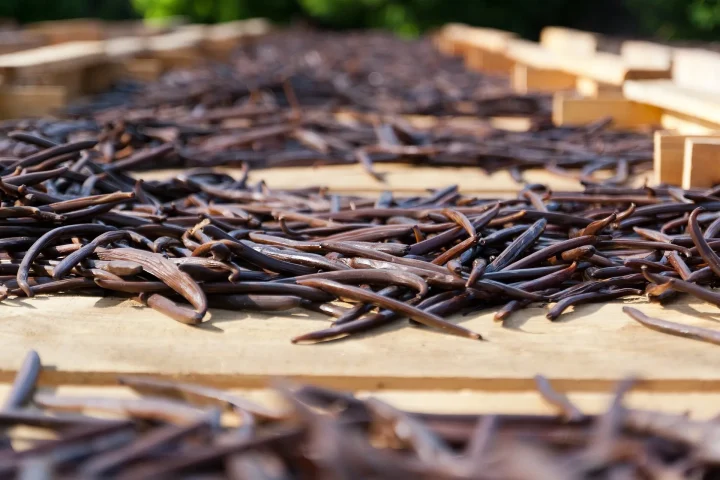
Grade A (Gourmet/Premium) features moisture content of 25-35%, a plump, oily, and flexible texture, dark brown to black color with glossy surface, minimum 15 cm bean length, and is intended for applications where the whole bean or visible seeds are presented to end consumers. Grade B (Extract/Manufacturing) features moisture content of 15-25%, a firmer and drier texture, dark brown color that may show surface dryness, minimum 12 cm length, and is optimized for extraction and processing where visual appearance is irrelevant.
A third category, Tahitensis, represents a different species entirely (Vanilla tahitensis) rather than a grade within the Planifolia classification. Tahitensis delivers a fundamentally different flavor — fruity, floral, and anise-accented — and commands premium pricing for specialty applications in fragrance, artisan food, and luxury markets.
Grade Selection by Industry
The correct grade choice depends primarily on how vanilla is used in your end product. For the chocolate and confectionery industry, Grade A is preferred for premium products where vanilla seeds are visible (ganache, truffles, artisan bars), while Grade B is standard for mass-production chocolate where extract or powder is used. For ice cream and frozen desserts, Grade A or vanilla paste (made from Grade A beans) is used for premium products featuring visible vanilla specks, while Grade B extract is the industry standard for commercial ice cream production. For the bakery sector, most commercial bakeries use Grade B extract for cost efficiency, while artisan bakeries and patisseries prefer Grade A for signature products. Beverage manufacturers overwhelmingly use Grade B extract, though craft beverage producers may specify Grade A for premium offerings. The fragrance and perfume industry primarily uses Tahitensis for its unique aromatic compound profile. Pharmaceutical companies typically use Grade B extract for medication flavoring, where standardized vanillin concentration matters more than visual quality.
The Economics of Grade Selection
A critical and often overlooked factor in grade selection is the economics of vanillin delivery per dollar spent. Grade B beans typically cost 30-50% less per kilogram than Grade A. However, because Grade B contains less water (15-25% moisture versus 25-35%), buyers receive more vanillin-bearing material per kilogram. This means Grade B delivers significantly more flavor per dollar for extraction and manufacturing applications.
For buyers processing 100+ kg annually, the cost difference between Grade A and Grade B can represent tens of thousands of dollars. Using Grade A for extract production is a common and expensive mistake — the premium paid for Grade A’s visual qualities provides zero benefit when beans are processed into liquid extract or powder.
Conversely, using Grade B for gourmet retail products where consumers expect plump, aromatic whole beans is equally problematic. The lower moisture content and drier appearance of Grade B will disappoint retail customers accustomed to Grade A quality. The key principle is matching grade to application, not defaulting to the highest or lowest grade available.
When to Consider Tahitensis
Tahitensis is not a substitute for Planifolia — it is a distinct product serving different market needs. Consider Tahitensis when your application benefits from unique, differentiated flavor that competitors using Planifolia cannot replicate, when fruity and floral notes enhance your product (ice cream, craft beverages, specialty chocolate), when your end market is fragrance or cosmetics where Tahitensis compounds are preferred, or when premium pricing justifies the higher bean cost. Do not choose Tahitensis simply because it sounds exotic — if your product requires classic vanilla flavor, Planifolia Grade A or B will deliver better results at lower cost.
Practical Decision Framework
Ask yourself three questions to identify your optimal grade. First, will the end consumer see the whole bean or vanilla seeds? If yes, use Grade A. If no, Grade B offers better value. Second, is classic creamy vanilla flavor required, or would fruity-floral notes enhance the product? Classic flavor means Planifolia. Differentiated flavor means consider Tahitensis. Third, what is your annual volume and price sensitivity? Higher volumes amplify the cost advantage of Grade B for extraction applications.
Still unsure? Request samples of multiple grades from Bali Vanilla Export. Testing in your actual production environment is the most reliable way to determine which grade delivers the best results for your specific application.
Frequently Asked Questions
Can I blend Grade A and Grade B beans?
Yes. Many producers use Grade A for visual and aroma quality in the final product while supplementing with Grade B for extraction efficiency. Blending allows you to optimize cost while maintaining the visual and aromatic standards your customers expect.
Does Grade B have less flavor than Grade A?
No. Grade B contains the same vanillin compounds as Grade A — the only difference is moisture and appearance. In fact, Grade B delivers more vanillin per kilogram because it contains less water weight. For extraction, Grade B is the superior choice on both economics and flavor yield.
Related reading
- Vanilla Supplier Indonesia — Direct B2B Export from Bali | Premium Beans
- Grade B Vanilla Beans — Extract Grade Indonesian Vanilla for Manufacturing
- Indonesian Vanilla Bean Export Outlook 2027: Navigating Supply, Demand, and Price Stability
- Vanilla Extract Manufacturing: How to Source Raw Vanilla Beans for Extract Production