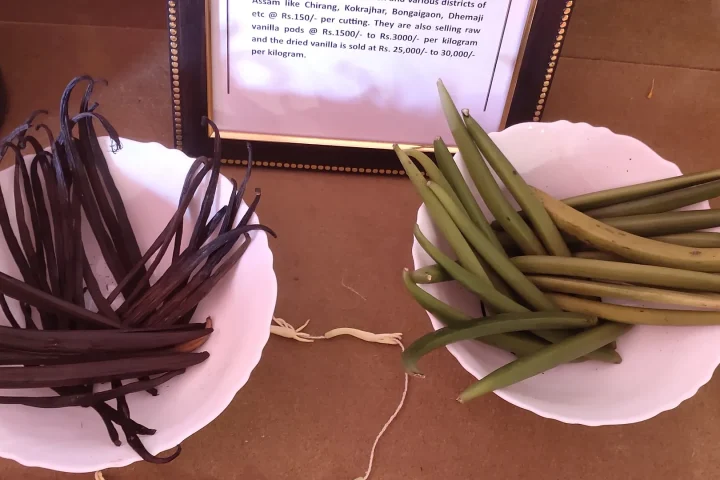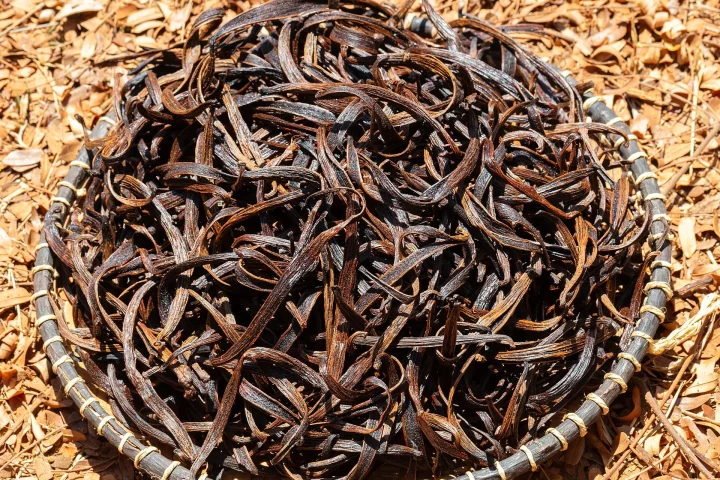
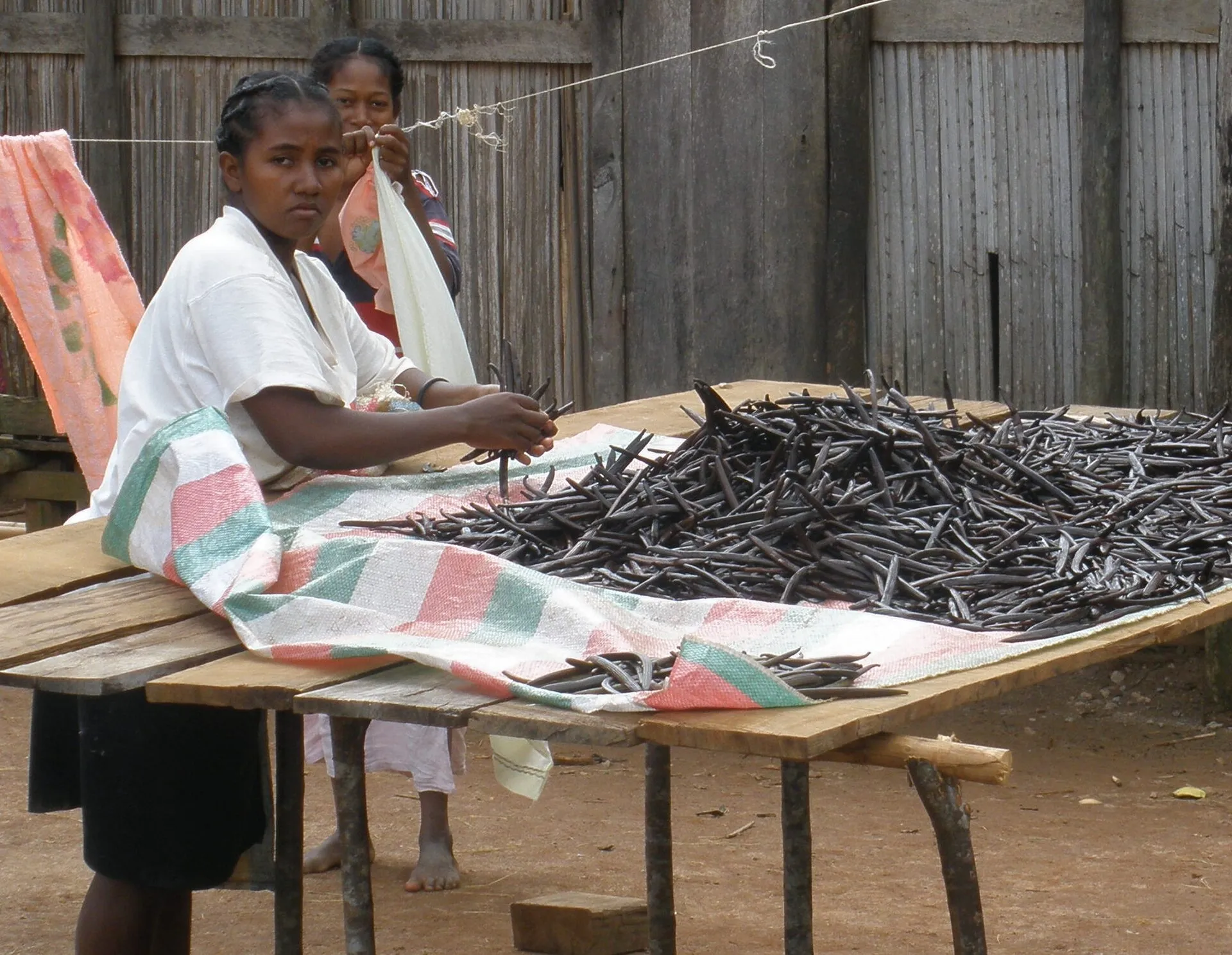
In 2027, the Indonesian vanilla export market to Japan is projected to see continued steady growth, building on a robust Compound Annual Growth Rate (CAGR) of 6.50% from 2025 onwards. Demand for Grade A Planifolia and Tahitensis beans is anticipated to remain strong, with pricing influenced by global supply dynamics and Japan’s preference for premium, high-vanillin content vanilla.
Japan has consistently been a significant importer of Indonesian vanilla, appreciating the distinct flavour profiles offered by both Planifolia and Tahitensis varieties. As we approach 2027, the market is maturing, with buyers increasingly focused on sustainability, traceability, and consistent quality. Indonesian producers, particularly those involved in direct export, are well-positioned to meet these evolving demands, ensuring a stable supply of premium beans.
Understanding Japan’s Vanilla Import Landscape
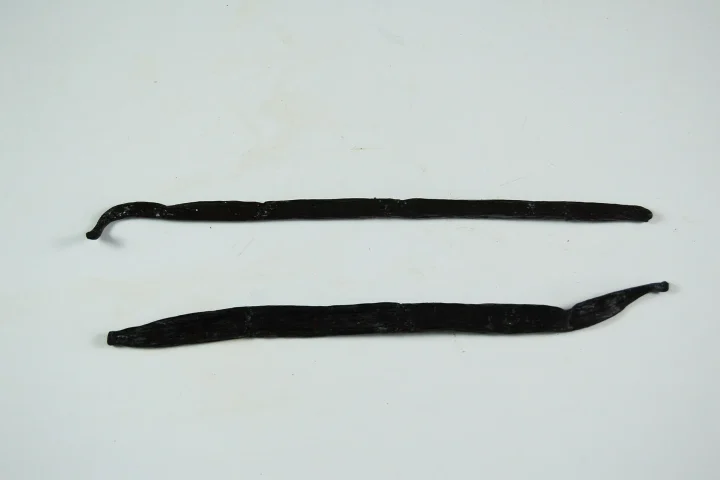
Japan’s confectionery, beverage, and fragrance industries are the primary drivers of its vanilla demand. These sectors require a consistent supply of high-quality vanilla beans, making Indonesia a reliable partner due to its substantial production capabilities. The Japanese market, known for its stringent quality standards, often prefers vanilla beans with specific moisture content, vanillin percentages, and visual characteristics. Grade A Planifolia, with its rich, classic vanilla flavour, and Tahitensis, prized for its floral and fruity notes, both find favour among Japanese buyers.
While specific 2027 import figures for Japan are not yet available, historical data and current trends indicate a stable and growing relationship. In 2023, for instance, Indonesia’s total vanilla exports to various global markets demonstrated its capacity, with figures like $9.78 million USD to the US, although a slight decline to $8.25 million USD was projected for 2025. This fluctuation in US exports does not necessarily reflect the Japanese market, which often operates on different supply chains and preference structures. The overall Indonesian vanilla market size, valued at $89.67 billion USD in 2024, is projected to reach $132.76 billion USD by 2032, underscoring the sector’s long-term growth trajectory that will undoubtedly benefit exports to key partners like Japan.
Pricing Projections for 2027
Predicting exact vanilla prices for 2027 requires careful consideration of various factors, including global harvest yields, climate patterns, and geopolitical stability. However, based on 2024–2025 trends, we can extrapolate a probable range. In 2024, Indonesian vanilla beans exported ranged from $104 – $177.82 USD/kg. For 2025, Bali Vanilla Export specifically quoted $30 – $80 USD/kg for Grade A Planifolia, depending on vanillin content and pod quality. Local Indonesian market prices in 2025 were around 1.5 million IDR/kg (approximately $95 USD/kg), with high-end export prices occasionally reaching 3 million IDR/kg (around $190 USD/kg).
For 2027, it is reasonable to expect prices for Grade A Indonesian vanilla beans to stabilise within the higher end of the 2025 quoted export range, potentially seeing a slight increase due to sustained demand and the overall market growth. Exporters should anticipate prices for premium, high-vanillin Planifolia and Tahitensis beans to range from $80 – $150 USD/kg, with exceptional lots commanding higher prices. Factors such as certification (e.g., organic, fair trade), direct trade relationships, and specific vanillin content will play a crucial role in determining the final price point.
Key Trends Influencing Exports to Japan
- Sustainability and Traceability: Japanese consumers and businesses are increasingly demanding ethically sourced and traceable products. Indonesian exporters providing detailed information on their vanilla’s origin, cultivation methods, and processing will gain a competitive advantage.
- Quality Consistency: Maintaining uniform quality across shipments is paramount for the Japanese market. Investment in post-harvest processing and quality control mechanisms will be crucial for long-term success.
- Direct Sourcing: A growing trend involves Japanese buyers seeking direct relationships with Indonesian farmers and exporters, bypassing intermediaries to ensure freshness and better pricing.
- Value-Added Products: While whole beans remain dominant, there is a nascent but growing interest in value-added vanilla products like vanilla extract or paste, although this segment is smaller for direct bean exporters.
Logistics and Compliance for 2027 Exports
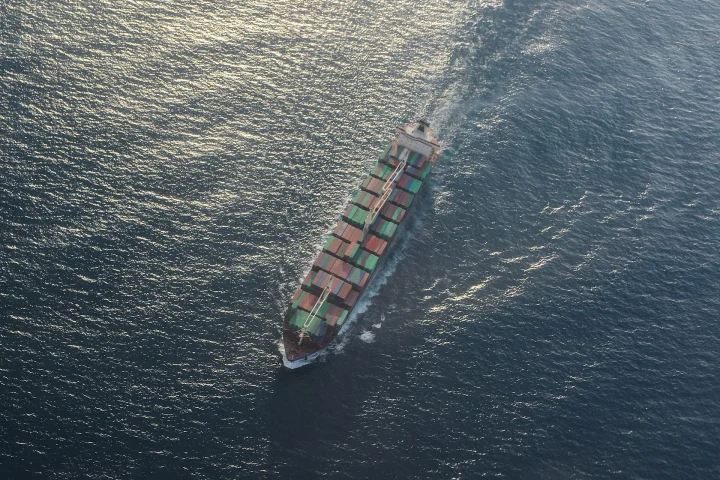
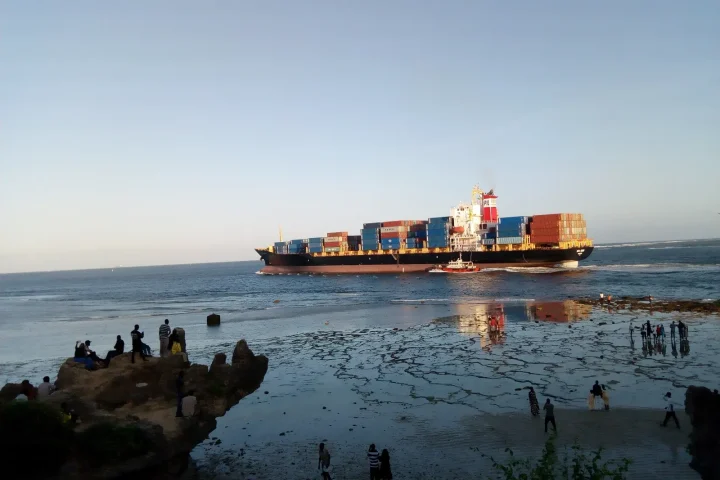
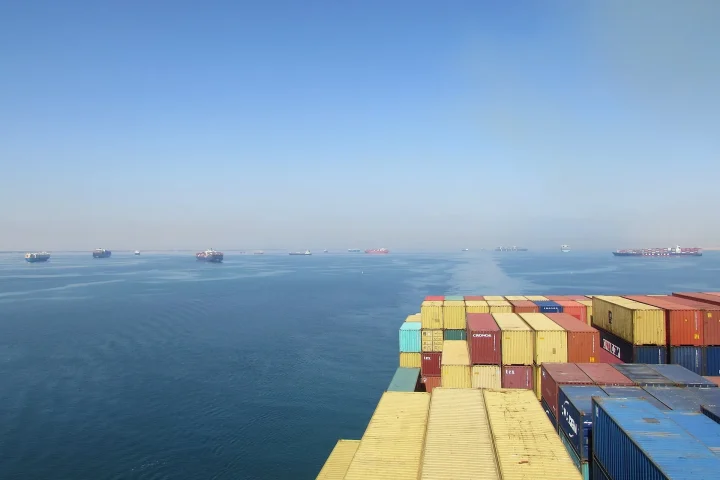
Efficient logistics and adherence to international trade regulations are fundamental for successful vanilla exports to Japan. Air freight is commonly used for premium vanilla beans to preserve freshness and reduce transit time, though sea freight can be viable for larger, less time-sensitive shipments. Exporters must navigate Indonesian export regulations and Japanese import requirements, which include phytosanitary certificates, origin declarations, and potentially specific labelling standards.
Understanding the nuances of bali customs clearance and other Indonesian ports is essential. Working with experienced freight forwarders and customs brokers can mitigate potential delays and ensure compliance. As the market evolves towards 2027, digital documentation and streamlined customs processes are expected to become even more prevalent, enhancing efficiency for exporters.
Market Growth and Future Prospects
The overall Indonesian vanilla market growth trajectory is impressive. The market size is projected to increase significantly, with a Compound Annual Growth Rate (CAGR) of 6.50% from 2025 to 2032. This sustained growth indicates a healthy environment for vanilla producers and exporters. The projected market size of $1.20 billion USD by 2030 (another estimate with a 6.50% CAGR from 2026) further solidifies the positive outlook.
| Metric | Value (USD) | CAGR |
|---|---|---|
| Market Size (2024) | $89.67 billion | N/A |
| Projected Market Size (2030) | $1.20 billion | 6.50% (2026-2030) |
| Projected Market Size (2032) | $132.76 billion | 6.50% (2025-2032) |
For 2027, this growth signifies a stable and expanding demand for Indonesian vanilla globally, with Japan remaining a vital component of this export strategy. Exporters focusing on quality, ethical sourcing, and efficient supply chains will be best placed to capitalise on these opportunities.
Balancing Supply and Demand in 2027
Maintaining a balance between supply and demand is crucial for price stability. While Indonesia has vast potential for vanilla cultivation, factors such as extreme weather events or disease outbreaks can impact yields. Conversely, an oversupply can lead to price depressions. The current market dynamics suggest a relatively stable environment, with demand gradually increasing alongside controlled supply expansion.
Indonesian farmers and exporters are increasingly adopting sustainable farming practices to ensure long-term productivity and resilience against environmental challenges. This proactive approach will contribute to a more predictable supply chain for importing nations like Japan, fostering stronger trade relationships into 2027 and beyond.
Q&A: Exporting Indonesian Vanilla to Japan in 2027
Q1: What are the primary types of Indonesian vanilla beans sought by Japan in 2027?
A1: Japan primarily seeks high-quality Grade A Planifolia and Tahitensis vanilla beans from Indonesia in 2027. Planifolia is valued for its classic, rich vanillin profile, while Tahitensis is preferred for its floral and fruity notes, catering to diverse applications in confectionery, beverages, and fragrance industries.
Q2: What price range can Indonesian exporters expect for Grade A vanilla beans shipped to Japan in 2027?
A2: Based on 2024-2025 trends and overall market growth, Indonesian exporters can anticipate prices for premium Grade A vanilla beans (Planifolia and Tahitensis) shipped to Japan in 2027 to range from $80 to $150 USD/kg. Exceptional lots with high vanillin content and specific certifications may command higher prices within this range or slightly above.