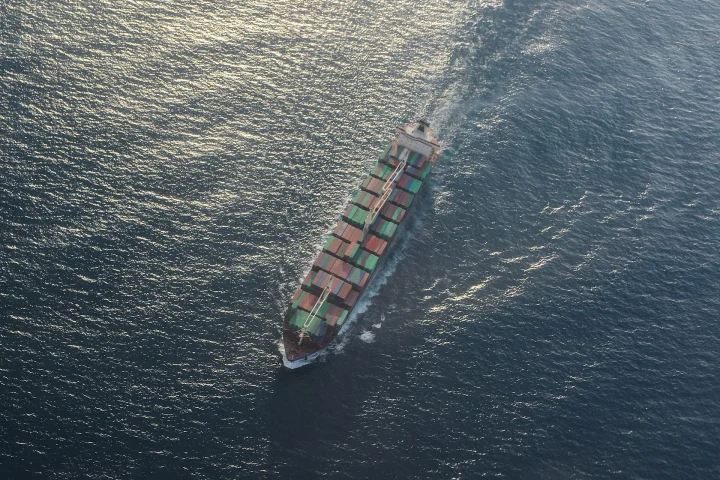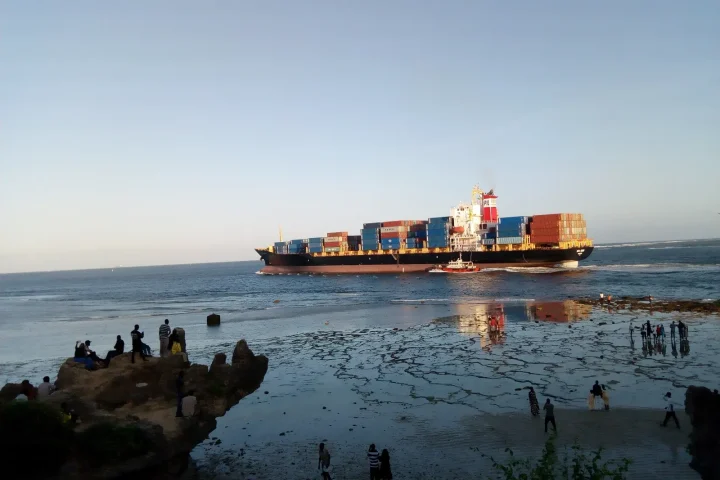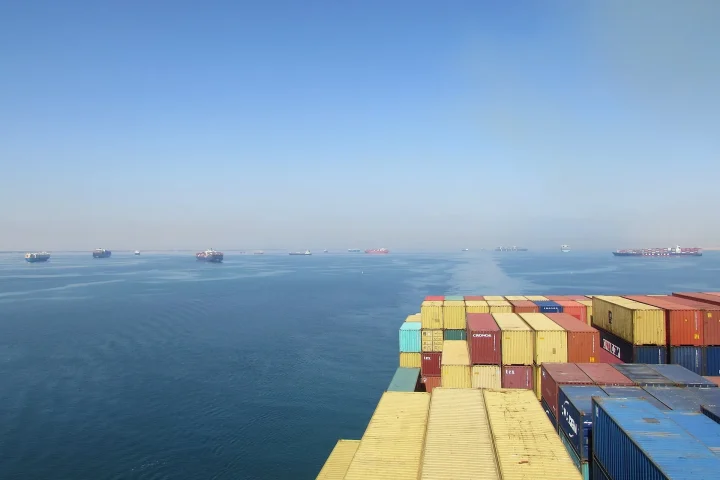
In 2027, Indonesian vanilla bean exports to the EU will continue to prioritise stringent quality assurance, specifically focusing on vanillin content and moisture levels, to meet evolving EU import regulations and sustain market share amidst a projected global market size of $132.76 billion USD by 2032.
Indonesia remains a significant player in the global vanilla market, a position that will be further solidified by 2027 through strategic export initiatives, particularly concerning the European Union. The EU represents a lucrative, yet demanding, market for Indonesian Grade A vanilla beans, specifically *Planifolia* and *Tahitensis* varieties. As we look towards 2027, understanding the nuances of EU import requirements, market dynamics, and quality standards is paramount for exporters like Bali Vanilla Export.
The EU Market for Indonesian Vanilla: A 2027 Outlook
The European Union’s demand for premium vanilla beans is consistently strong, driven by its sophisticated food and beverage industry, as well as the growing natural cosmetics and fragrance sectors. While specific 2027 figures for EU imports are not yet available, trends from 2024–2025 indicate a continued preference for high-quality, ethically sourced products. The overall Indonesian vanilla market, valued at $89.67 billion USD in 2024, is projected to reach $132.76 billion USD by 2032, exhibiting a Compound Annual Growth Rate (CAGR) of 6.50% from 2025 to 2032. This growth underscores the enduring global appetite for vanilla, positioning the EU as a critical destination for Indonesian exports.
For exporters targeting the EU, compliance with rigorous European food safety and quality standards is non-negotiable. This includes adherence to maximum residue limits (MRLs) for pesticides, stringent microbiological criteria, and detailed labelling requirements. The EU’s import control system is robust, necessitating meticulous documentation and transparent supply chains.
Quality Standards for EU Entry: Beyond Basic Grade A
While “Grade A” signifies a certain level of quality, the EU market often demands specific characteristics that go beyond general grading. In 2027, exporters will need to focus intently on:
- Vanillin Content: European buyers often specify a minimum vanillin percentage, typically above 1.8% for *Planifolia* and varying for *Tahitensis*. This directly correlates with the flavour potency and aromatic profile of the beans.
- Moisture Content: Optimal moisture levels, typically between 25% and 35%, are crucial for bean flexibility, shelf life, and preventing mould. Beans that are too dry are brittle and less aromatic, while overly moist beans are prone to spoilage.
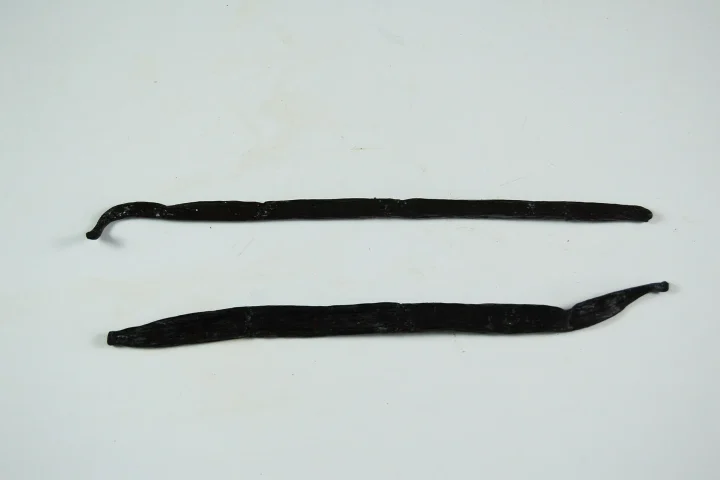
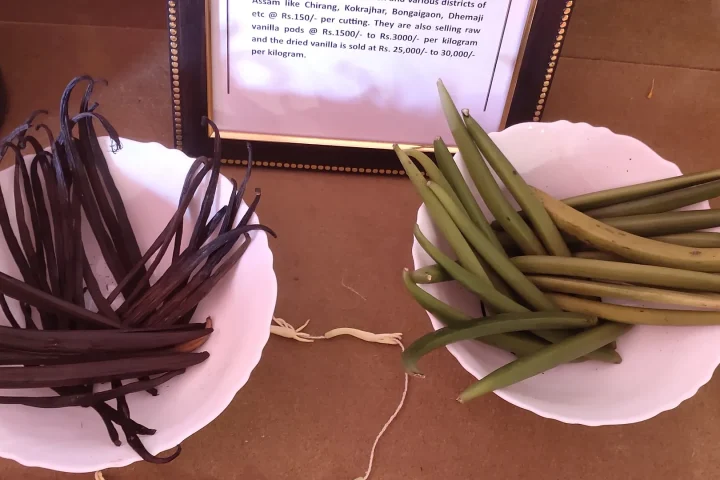
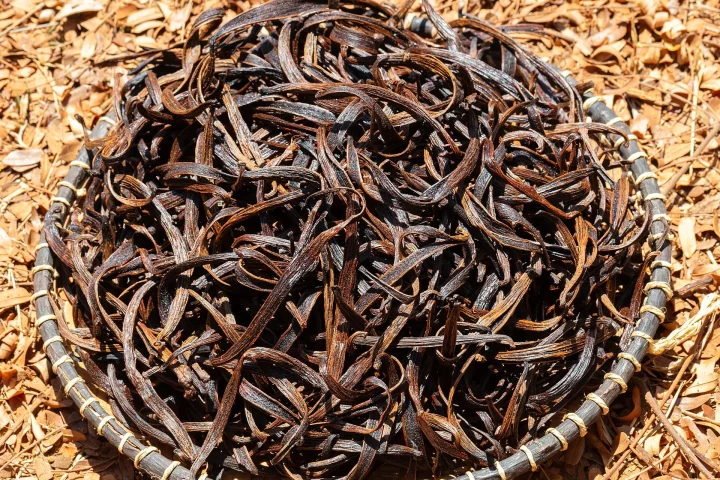
- Appearance and Flexibility: Plump, oily, dark brown to black beans, free from blemishes, splits, or mould, are consistently preferred. Flexibility indicates proper curing and moisture.
- Traceability: The ability to trace vanilla beans back to their origin farm, detailing cultivation practices and processing methods, is increasingly important for EU buyers concerned with sustainability and ethical sourcing.
Bali Vanilla Export, for instance, offered Grade A *Planifolia* at $30–$80 USD/kg in 2025, a price range reflecting variations in vanillin content and pod quality. This pricing strategy highlights the importance of precise quality differentiation for the discerning EU market.
Pricing Trends and Market Dynamics Towards 2027
Vanilla pricing has seen considerable fluctuations in recent years. In 2024, Indonesian vanilla bean export prices ranged from $104 to $177.82 USD/kg, a decrease from $104 to $257 USD/kg in 2023. While specific 2027 prices are speculative, the overall market growth suggests a stabilisation or gradual increase for premium, compliant beans. Local Indonesian market prices in 2025 were approximately 1.5 million IDR/kg (around $95 USD/kg), with high-end export prices reaching up to 3 million IDR/kg (approximately $190 USD/kg) and occasionally spiking to 9 million IDR/kg ($570 USD/kg) during periods of exceptional demand.
The table below summarises key market metrics and projections that will influence the 2027 landscape:
| Metric | Value | Year/Period |
|---|---|---|
| Indonesia Vanilla Market Size | $89.67 billion USD | 2024 |
| Projected Market Size | $132.76 billion USD | 2032 |
| CAGR | 6.50% | 2025–2032 |
| Export Price Range (Indonesian) | $104 – $177.82 USD/kg | 2024 |
| Bali Vanilla Export Price (Grade A Planifolia) | $30 – $80 USD/kg | 2025 |
These figures indicate a robust underlying market, but also highlight the need for exporters to remain agile in their pricing strategies, reacting to global supply and demand dynamics while maintaining competitive quality.
Logistics and Documentation for EU Exports in 2027
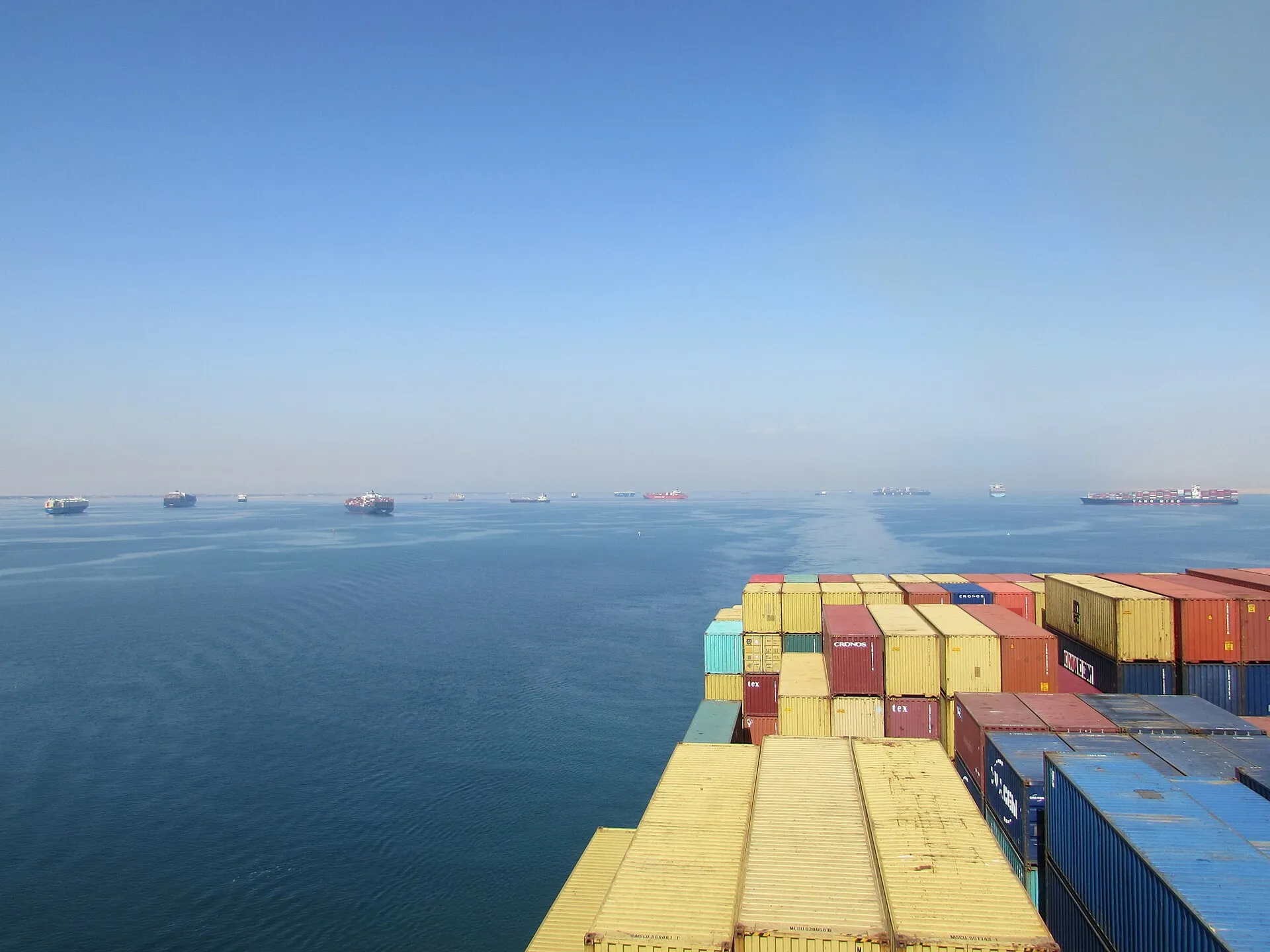
Efficient logistics and impeccable documentation are crucial for successful exports to the EU. In 2027, these aspects will be even more critical due to heightened regulatory scrutiny and the demand for supply chain transparency. Exporters must ensure:
- Phytosanitary Certificates: Essential for all plant-derived products entering the EU, certifying freedom from pests and diseases.
- Certificates of Origin: Proving the Indonesian origin of the beans, often required for preferential trade agreements or specific import quotas.
- Health Certificates: Confirming the beans are fit for human consumption and meet EU food safety standards.
- Commercial Invoice and Packing List: Detailed and accurate documentation for customs clearance.
- Sustainable Sourcing Documentation: Increasingly requested by EU buyers to verify environmental and social responsibility.
complexities of bali customs clearance and international shipping requires expertise. Partnering with experienced freight forwarders and customs brokers who understand both Indonesian export procedures and EU import regulations is advisable to prevent delays and ensure compliance.
Future-Proofing Indonesian Vanilla Exports to the EU
To secure a strong position in the EU market by 2027 and beyond, Indonesian vanilla exporters should focus on several key areas:
- Investment in Curing Technology: Advanced curing methods can consistently produce beans with optimal vanillin and moisture content, reducing batch variability.
- Farmer Training and Support: Empowering local farmers with best practices in cultivation and harvesting improves raw material quality.
- Sustainability Certifications: Obtaining certifications like Fair Trade, Organic, or Rainforest Alliance will enhance marketability in the EU, where consumers increasingly value ethical and sustainable products.
- Direct Relationships: Building direct relationships with EU importers and end-users can provide valuable market feedback and foster long-term partnerships.
- Market Intelligence: Continuously monitoring EU regulations, consumer trends, and competitor activities is vital for adapting strategies.
By proactively addressing these areas, Indonesian vanilla exporters can continue to thrive in the demanding yet rewarding European Union market.
What are the primary quality criteria EU buyers will look for in Indonesian vanilla beans in 2027?
In 2027, EU buyers will predominantly seek Indonesian vanilla beans with specific vanillin content (often above 1.8% for *Planifolia*), optimal moisture levels (25-35%), excellent physical appearance (plump, oily, blemish-free), and robust traceability documentation verifying sustainable and ethical sourcing practices. Adherence to EU food safety regulations, including MRLs for pesticides, will also be critical.
How can Indonesian vanilla exporters ensure compliance with EU import regulations for 2027?
To ensure compliance, Indonesian vanilla exporters should implement rigorous quality control throughout their supply chain, from cultivation to processing. This includes obtaining all necessary phytosanitary, health, and origin certificates, maintaining detailed records for traceability, and staying updated on evolving EU food safety and labelling regulations. Partnering with experienced logistics providers and customs brokers familiar with both Indonesian and EU requirements is highly recommended to streamline the export process and prevent delays.