The global vanilla market in 2026 presents both opportunities and challenges for B2B buyers navigating supply chain decisions. With the market valued at approximately USD 14.3 billion and projected to reach USD 23 billion by 2036, understanding current trends, pricing dynamics, and supply chain risks is essential for procurement professionals responsible for vanilla sourcing strategies.
Market Size and Growth Trajectory
The vanilla market has experienced dramatic expansion driven by the global clean-label movement pushing food manufacturers away from synthetic vanillin toward natural vanilla. Consumer awareness of ingredient quality continues to rise across developed and emerging markets alike. The compound annual growth rate (CAGR) of approximately 5-6% reflects robust structural demand growth rather than cyclical commodity pricing fluctuation.
Key demand drivers include increasing natural ingredient preference in food and beverage (the single largest demand segment), growing vanilla use in premium cosmetics and personal care products, pharmaceutical industry demand for natural flavoring agents, expanding middle-class consumption in Asia and emerging markets, and the continued growth of artisan food and craft beverage sectors globally.
Supply Landscape: Major Producing Countries
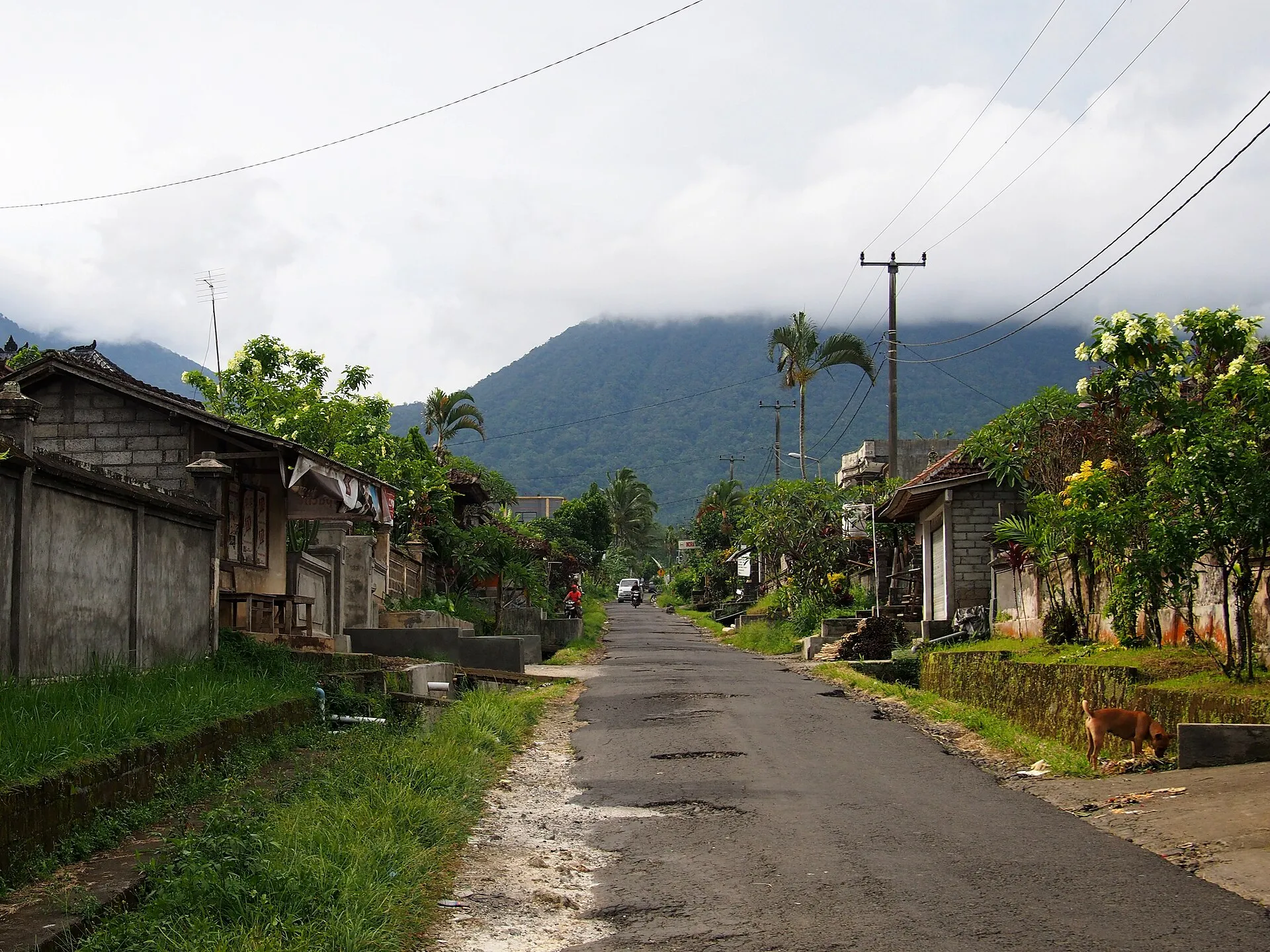
Global vanilla supply remains concentrated among a handful of tropical producing countries, with Madagascar and Indonesia dominating. Madagascar produces approximately 40% of global supply, concentrated in the SAVA region of the northeast coast. Quality is generally high but supply is vulnerable to cyclones, political disruption, and theft. Indonesia contributes over 30% of global supply, spread across multiple regions (Bali, Java, Papua, Sulawesi, Flores). Quality has improved significantly as the industry professionalizes. Other notable producers include Papua New Guinea (emerging as a quality Planifolia source), Uganda and other East African countries (growing production but still small scale), India (increasing domestic production and limited export), and Tahiti/French Polynesia (Tahitensis specialty, very small volumes).
Pricing Trends and Volatility
Vanilla pricing has historically been among the most volatile of any agricultural commodity. The 2017-2019 price spike — driven by Cyclone Enawo devastating Madagascar’s crop — saw Grade A beans exceed USD 600 per kilogram before stabilizing. The 2024-2026 period has seen more moderate pricing as improved supply from both Madagascar and Indonesia has brought market balance. However, vanilla remains susceptible to sudden price shocks triggered by weather events, speculative buying, or crop disease.
Current market pricing reflects continued moderation from the extreme highs of 2017-2019, an Indonesian price advantage of 20-40% below equivalent Madagascar grades, growing price differentiation between premium (Grade A, single-origin, organic) and commodity (Grade B, conventional) segments, and increasing use of forward contracts by sophisticated buyers to manage volatility exposure.
Strategic Implications for B2B Buyers
Several strategic themes should inform B2B vanilla procurement decisions in the current market environment. Supply diversification is no longer optional — reliance on a single origin exposes buyers to unacceptable concentration risk. Adding Indonesian sourcing alongside Madagascar is the most practical diversification strategy given Indonesia’s established quality and capacity. Forward contracts and annual supply agreements provide pricing stability in a volatile commodity market. Buyers who lock in pricing through committed volume contracts gain budgeting certainty and protect margins against potential price spikes. Quality assurance capability at the supplier level is increasingly important as the market grows. Not all Indonesian or Madagascar vanilla meets the same standards — verifying supplier quality control systems, certifications, and track records is essential due diligence. The organic and sustainability premium continues to grow as end consumers and retailers demand traceable, responsibly sourced ingredients. Investing in certified organic or fair-trade supply chains positions buyers for this growing market segment.
For detailed analysis of how these market trends affect pricing and availability for specific products, contact Bali Vanilla Export for a current market briefing tailored to your requirements.
Frequently Asked Questions
Will vanilla prices increase in 2026-2027?
Price direction depends on harvest outcomes in Madagascar and Indonesia, global demand growth, and weather events. Current market conditions suggest relative stability, but vanilla remains susceptible to sudden supply disruptions. Forward contracts with committed suppliers like Bali Vanilla Export are the most effective hedge against unexpected price increases.
Is synthetic vanillin replacing natural vanilla?
While synthetic vanillin dominates the global flavoring market by volume (over 95% of vanilla flavoring is synthetic), natural vanilla demand continues to grow. The clean-label trend, consumer preference for natural ingredients, and the irreplaceable complexity of natural vanilla (250+ aromatic compounds versus synthetic’s single compound) ensure robust long-term demand for natural beans.