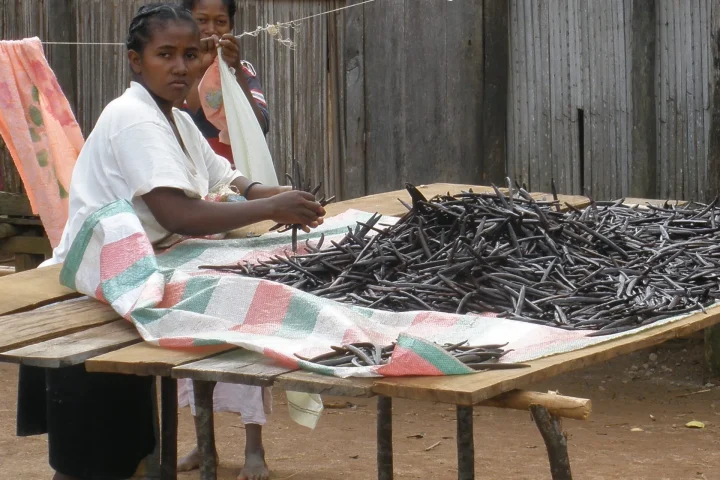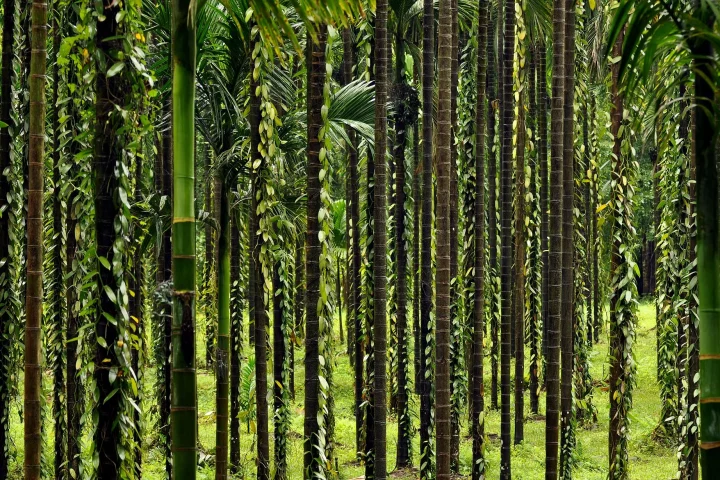
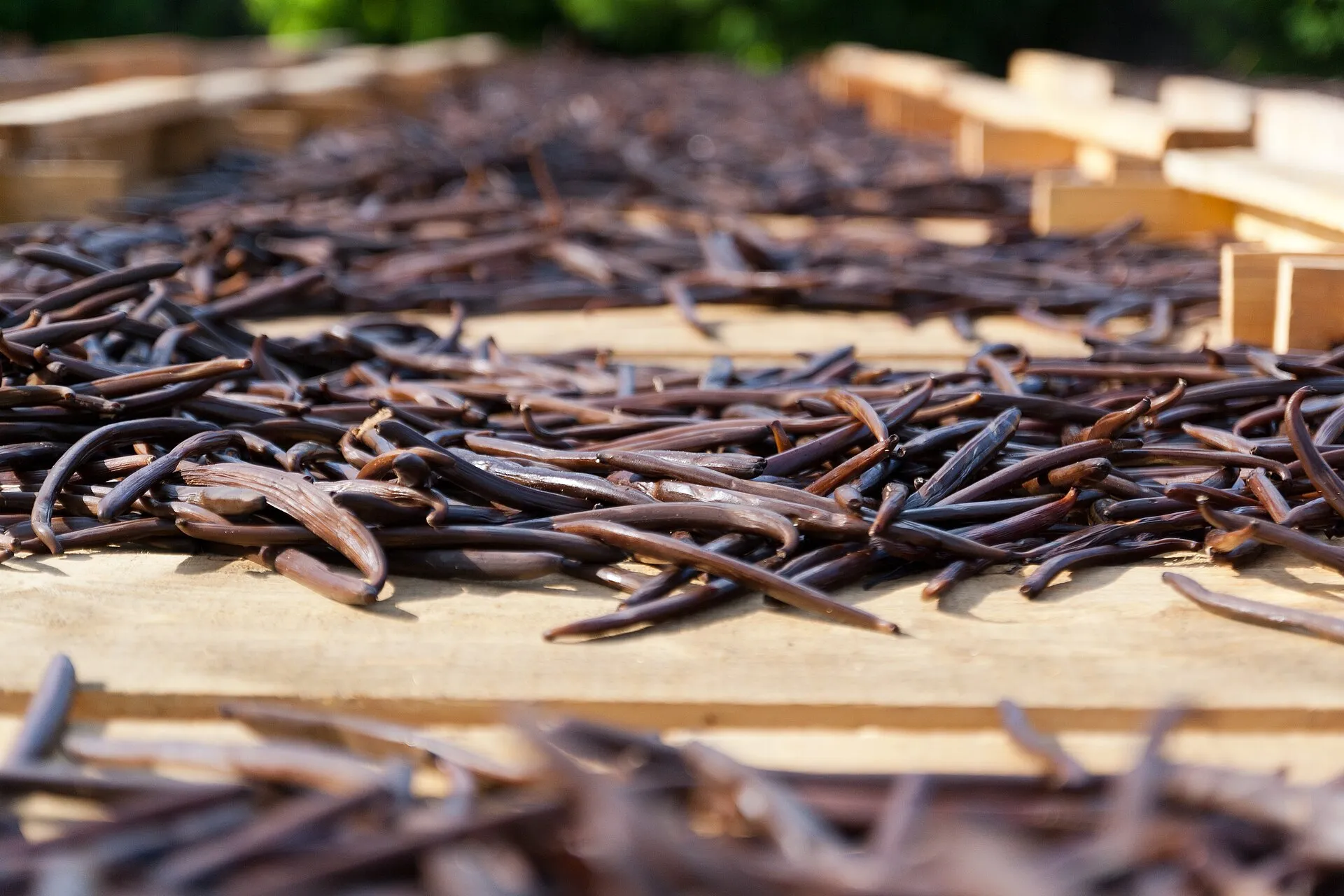
Proper storage and handling of vanilla beans after delivery is critical for preserving the quality, aroma, and commercial value of your investment. Vanilla is a high-value, moisture-sensitive product that requires specific storage conditions to maintain its premium characteristics. Improper storage can lead to moisture loss, mold development, aroma degradation, and ultimately, customer complaints and financial losses.
This guide provides comprehensive storage and handling protocols for B2B vanilla buyers, covering Grade A and Grade B whole beans, vanilla powder, and vanilla extract.
Storage Conditions for Whole Vanilla Beans
The optimal storage environment for cured vanilla beans balances moisture retention against mold prevention. The ideal temperature range is 15-20 degrees Celsius (59-68 degrees Fahrenheit). Avoid temperatures above 25 degrees Celsius, which accelerate aromatic compound volatilization and moisture loss. Never refrigerate vanilla beans — cold temperatures cause vanillin crystals to form on the bean surface (sometimes mistaken for mold) and can degrade the pod’s cellular structure, reducing flexibility and aroma intensity.
Relative humidity should be maintained at 60-70% in the storage area. Below 50%, beans lose moisture and become dry, brittle, and less aromatic. Above 80%, mold risk increases significantly. If your storage facility does not maintain consistent humidity, keeping beans in their vacuum-sealed packaging is the most practical solution. Store beans in a dark location away from direct sunlight and fluorescent lighting. UV radiation degrades aromatic compounds and can bleach the bean surface. A dedicated, climate-controlled storage room is ideal for buyers holding large inventories.
Packaging for Storage
How vanilla beans are packaged during storage has a major impact on shelf life and quality retention. Vacuum-sealed bags provide the best long-term storage, preventing moisture loss and oxidation while creating an oxygen-depleted environment that inhibits mold growth. Bali Vanilla Export ships all beans vacuum-sealed, and we recommend keeping beans in their original vacuum packaging until you are ready to process or use them. Once opened, vacuum-sealed bags should be resealed as quickly as possible, ideally using a commercial vacuum sealer.
If vacuum sealing equipment is not available, store opened beans in airtight glass jars or food-grade containers with tight-fitting lids. Wrap beans in wax paper before placing in containers to provide an additional moisture barrier. Avoid plastic containers that may transfer odors, and avoid metal containers that can affect flavor through chemical interaction.
Shelf Life Expectations
Properly stored vanilla beans maintain their quality for extended periods, but optimal flavor and aroma diminish over time. Grade A beans in sealed vacuum packaging retain peak quality for 12-18 months from the date of curing completion. After 18 months, aromatic intensity gradually decreases, though beans remain usable for 24 months or more. Grade B beans, with lower moisture content, have slightly longer stability — 18-24 months in sealed packaging. We recommend processing beans within 6-12 months of delivery for optimal results. First-in-first-out (FIFO) inventory rotation is essential for buyers maintaining ongoing stock.
Mold Prevention
Mold is the primary risk factor for stored vanilla beans. Prevention requires controlling the conditions mold needs to grow — excess moisture, oxygen, and warm temperatures. Key preventive measures include maintaining vacuum-sealed packaging until use, avoiding storage in high-humidity environments exceeding 80%, ensuring storage temperature remains below 25 degrees Celsius, inspecting inventory regularly for any signs of white or grey fuzzy growth, and isolating any affected beans immediately to prevent spread. If you discover mold on stored beans, separate affected beans from healthy stock immediately. Surface mold on otherwise healthy beans can sometimes be wiped with a cloth dampened in alcohol, but heavily affected beans should be discarded. Beans treated for surface mold should be used promptly and may be downgraded to extract-grade use.
Note that white crystalline deposits on bean surfaces are often vanillin crystals rather than mold. Vanillin crystals appear as fine, uniform white frost and indicate high vanillin content — this is actually a positive quality indicator, not a defect. True mold appears fuzzy, irregular, and may have green or grey coloring.
Handling Best Practices
When handling vanilla beans in production environments, several practices protect quality and food safety. Always handle beans with clean, dry hands or food-grade gloves. Avoid exposing beans to strong odors — vanilla readily absorbs surrounding aromas, which can taint flavor. Minimize exposure time when beans are out of sealed packaging. Use clean, dedicated cutting surfaces and tools when splitting or processing beans. Maintain separation between different grades and origins to prevent cross-contamination of flavor profiles.
Storage for Vanilla Powder and Extract
Vanilla powder should be stored in airtight containers below 25 degrees Celsius, away from moisture and direct light. Powder is hygroscopic (absorbs moisture from air), so keeping containers sealed is critical to prevent clumping and potential mold development. Properly stored powder maintains quality for 24 months. Vanilla extract, due to its alcohol content, has the longest shelf life of all vanilla products — 36 months or more when stored in sealed containers away from heat and light. Extract actually improves with age as compounds continue to develop, similar to fine spirits.
Frequently Asked Questions
Can I freeze vanilla beans for long-term storage?
Freezing is not recommended. The freeze-thaw cycle damages the bean’s cellular structure, causing moisture migration that degrades texture and aroma. Frozen beans also tend to become limp and develop off-flavors upon thawing. Vacuum-sealed storage at 15-20 degrees Celsius is the proven best practice for long-term quality retention.
How can I tell if my stored vanilla beans have gone bad?
Signs of deteriorated vanilla include visible mold growth (fuzzy white, grey, or green patches), sour or fermented smell replacing the characteristic sweet aroma, extreme brittleness indicating severe moisture loss, and slimy texture indicating excessive moisture and decomposition. Beans showing any of these signs should be removed from inventory immediately.