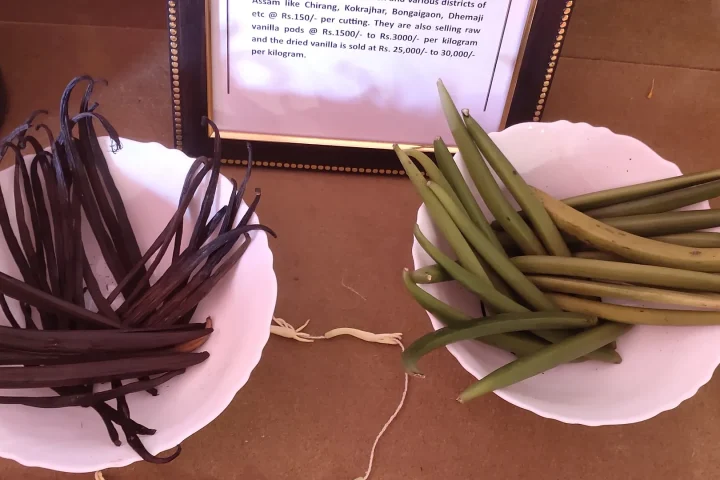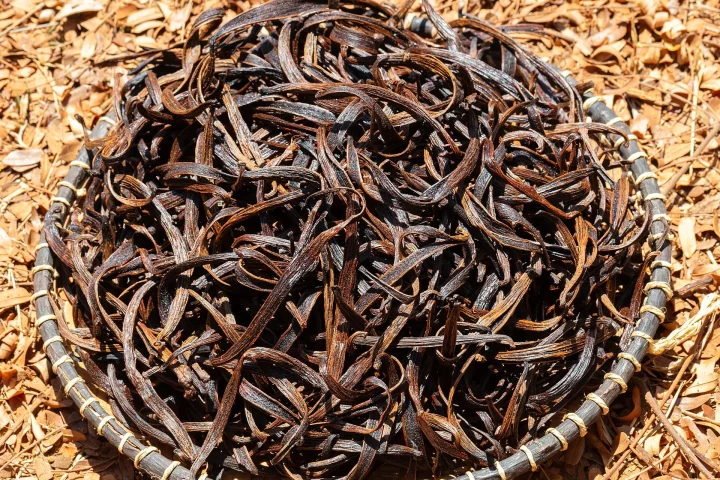
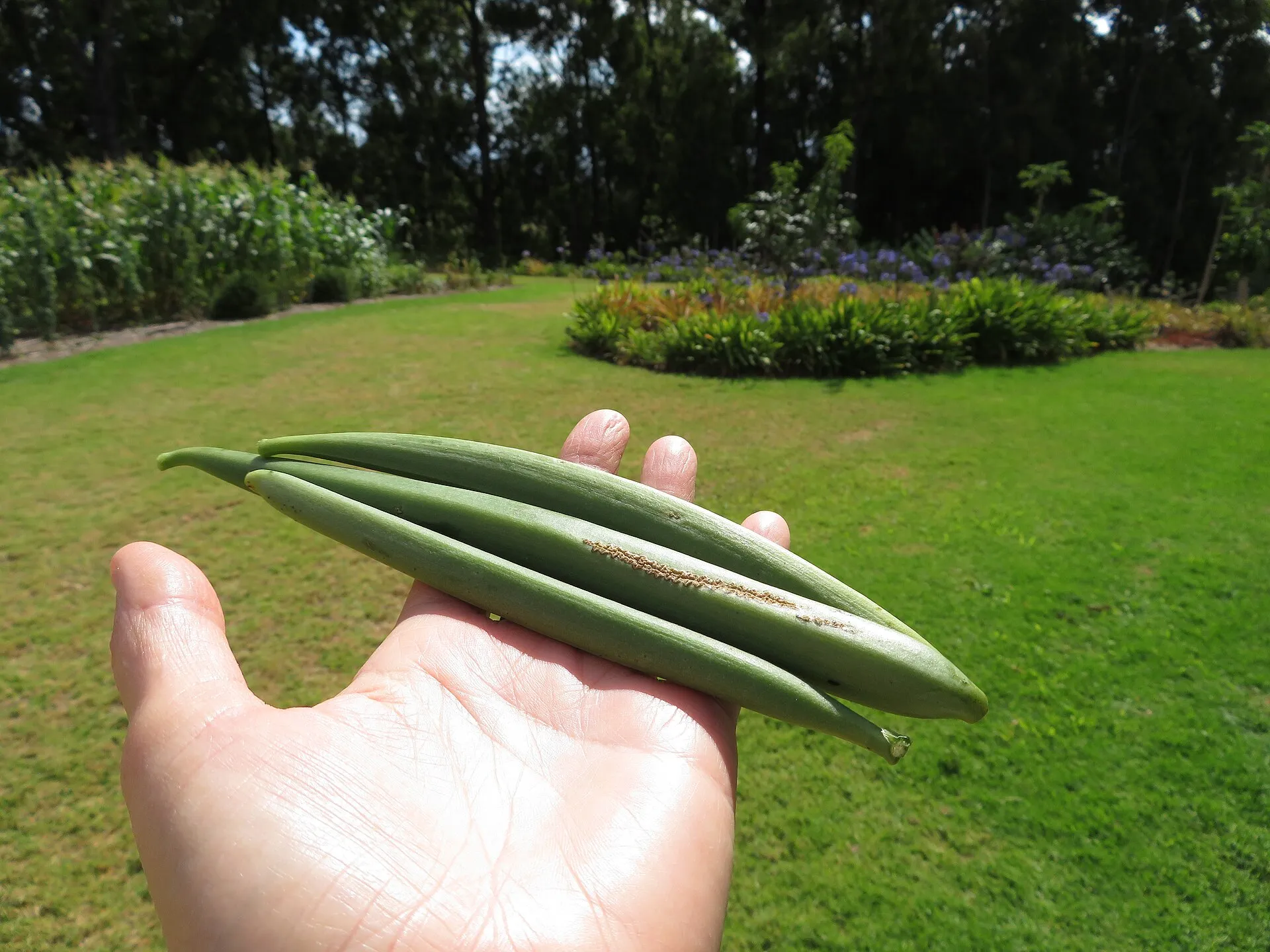
In 2027, Indonesia’s vanilla export market is anticipated to continue its steady growth, with Grade A Planifolia and Tahitensis beans maintaining strong demand. Prices are projected to stabilise within the $30–$80 USD/kg range for Bali Vanilla Export’s Grade A Planifolia, influenced by vanillin content and pod quality, reflecting continued market expansion.
The Indonesian vanilla export sector continues its trajectory as a significant global player, with 2027 poised to build upon the foundations laid in the preceding years. Our focus at balivanillaexport.com remains on providing precise insights into the market dynamics for Indonesian Grade A Planifolia and Tahitensis vanilla beans. While specific 2027 figures are still emerging, current trends and projections from 2024–2026 offer a robust framework for understanding the immediate future of this valuable commodity.
Understanding the 2027 Market for Indonesian Vanilla
The global vanilla market is in a period of considered expansion. Indonesia’s contribution, particularly in the Planifolia and Tahitensis varieties, is substantial. For 2027, we foresee a continuation of the stable pricing observed in 2025, where Bali Vanilla Export’s Grade A Planifolia was valued between $30 and $80 USD/kg. This range is directly correlated with critical factors such as vanillin content and the overall quality of the vanilla pod. The stability reflects a mature market adjusting to supply and demand fluctuations after periods of significant volatility.
Examining the broader market, the Indonesian vanilla market size, which stood at an impressive $89.67 billion USD in 2024, is projected to reach $132.76 billion USD by 2032, indicating a Compound Annual Growth Rate (CAGR) of 6.50% from 2025 to 2032. This consistent growth underscores the long-term viability and increasing global appetite for Indonesian vanilla. These macro trends provide a confident outlook for 2027, suggesting sustained demand and a healthy export environment.
Price Stability and Quality Standards
Price stability is a crucial aspect for both producers and buyers. The export price range for Indonesian vanilla beans in 2024 was between $104 and $177.82 USD/kg, a notable adjustment from the $104–$257 USD/kg seen in 2023. This adjustment indicates a market settling into more predictable patterns. For 2025, Bali Vanilla Export’s Grade A Planifolia was positioned at $30–$80 USD/kg, a competitive figure reflecting stringent quality controls and direct sourcing. Locally within Indonesia, the price hovered around 1.5 million IDR/kg (approximately $95 USD/kg) in 2025, with high-end export prices occasionally reaching 3 million IDR/kg (about $190 USD/kg) and even temporarily peaking at 9 million IDR/kg (around $570 USD/kg) during specific demand surges. These peaks, while not indicative of consistent pricing, highlight the premium nature of exceptional quality beans.
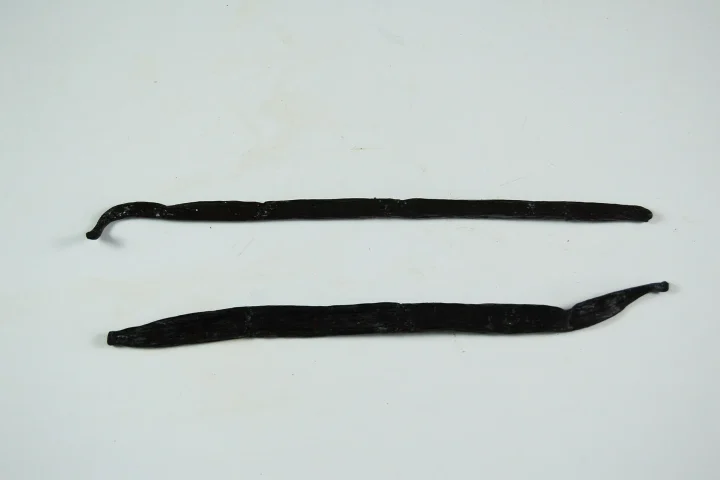
Maintaining Grade A standards for both Planifolia and Tahitensis varieties is paramount. This involves meticulous curing processes, optimal moisture content, and a high vanillin percentage. Exporters, including Bali Vanilla Export, focus on these details to ensure that the product consistently meets international expectations. This commitment to quality underpins the sustained demand and allows for competitive pricing in the global market.
Geographic Demand and Export Destinations
Indonesia’s vanilla finds its way to diverse markets globally. The United States remains a primary destination, despite a projected decline from $9.78 million USD in 2023 to $8.25 million USD in 2025. This specific decline in US exports does not reflect a global downturn but rather a rebalancing of trade routes and increasing demand from other regions. European countries, particularly Germany and France, continue to be significant importers, valuing the distinct flavour profiles of Indonesian vanilla for their culinary and fragrance industries.
Emerging markets in Asia and the Middle East are also increasing their vanilla imports from Indonesia, diversifying the export portfolio. This geographical spread ensures resilience against localised economic fluctuations and provides multiple avenues for growth in 2027 and beyond. The logistical framework for these exports is critical, requiring efficient freight forwarding and adherence to international customs regulations. For those complexities of shipping from the region, understanding bali customs clearance procedures is essential for smooth operations.
Cultivation Practices and Sustainability in 2027
Sustainable cultivation practices are becoming increasingly important in the vanilla industry. In 2027, we expect a continued emphasis on ethical sourcing and environmentally responsible farming methods. Indonesian vanilla farmers are adopting practices that ensure the long-term health of their plantations and the well-being of their communities. This includes organic farming techniques, fair labour practices, and biodiversity preservation. Buyers are increasingly scrutinising the supply chain for these attributes, adding a layer of value beyond mere price points.
- Organic Cultivation: Growing demand for certified organic vanilla.
- Fair Trade Initiatives: Ensuring equitable compensation for farmers.
- Biodiversity Protection: Integrating vanilla farms with local ecosystems.
- Traceability: Enhanced systems for tracking vanilla from farm to market.
These practices not only enhance the reputation of Indonesian vanilla but also contribute to the overall quality and uniqueness of the beans. Consumers in 2027 are expected to be more informed and discerning, favouring products with clear sustainability credentials.
The Role of Technology and Innovation
Technology plays an ever-increasing role in the vanilla export sector. From advanced curing techniques to sophisticated logistics management, innovation is driving efficiency and improving product quality. In 2027, we anticipate further integration of digital tools for inventory management, quality control, and market analysis. Blockchain technology, for instance, could become more prevalent in ensuring the traceability and authenticity of premium vanilla beans, providing an immutable record of their journey from farm to consumer.
Research into new vanilla varieties with enhanced disease resistance or unique flavour profiles also continues. These innovations ensure that Indonesia remains at the forefront of vanilla production, capable of adapting to changing environmental conditions and consumer preferences. The focus remains on enhancing the intrinsic value of Indonesian vanilla through scientific and technological advancements.
Key Market Trends & Projections (2024–2032)
| Metric | Value | Source |
|---|---|---|
| Indonesia Vanilla Market Size (2024) | $89.67 billion USD | [3] |
| Projected Market Size (2032) | $132.76 billion USD | [3] |
| CAGR (2025–2032) | 6.50% | [3] |
| Projected Market Size (2030) | $1.20 billion USD (alternative estimate) | [5] |
| CAGR (2026–2030) | 6.50% | [5] |
| Exports to US (2023) | $9.78 million USD | [2] |
| Exports to US (2025) | $8.25 million USD (decline noted) | [2] |
What are the primary factors influencing Indonesian vanilla prices in 2027?
In 2027, the primary factors influencing Indonesian vanilla prices will continue to be global demand, the quality of the beans (specifically vanillin content and pod condition), and the stability of supply from major producing regions. Sustainable farming practices and market speculation also play a role, as do macroeconomic conditions affecting international trade and currency exchange rates.
How do Planifolia and Tahitensis varieties differ in market value for 2027?
For 2027, Planifolia vanilla, known for its classic sweet and creamy flavour profile, is expected to maintain its position as the dominant variety in terms of volume and consistent demand, particularly from the food and beverage industry. Tahitensis, with its more floral and fruity notes, commands a premium in niche markets, including high-end perfumery and gourmet cuisine. While Planifolia typically has a broader market, Tahitensis often fetches higher prices per kilogram due to its unique aroma and more limited production.
Related reading
- Bali Vanilla Export Guide 2026: How to Source Premium Indonesian Vanilla Beans for Your Business
- FAQ — Indonesian Vanilla Beans Export Questions Answered
- Request a Quote — Premium Indonesian Vanilla Beans Export Pricing
- Bali Vanilla Export — Premium Indonesian Vanilla Beans Supplier & Wholesale Exporter