To scale Bali vanilla export operations by 2027, implement a multi-faceted strategy focusing on sustainable farming practices, supply chain optimisation, and targeted market penetration. Enhancing bean quality, leveraging technology for traceability, and establishing strong, long-term buyer relationships will be crucial for achieving significant growth and meeting future demand effectively.
Achieving substantial growth in the Bali vanilla export sector by 2027 necessitates a clear, strategic approach. The global demand for high-quality vanilla remains robust, presenting significant Bali vanilla export business opportunities in 2027. However, capitalising on these opportunities requires more than simply increasing output; it demands a sophisticated understanding of market dynamics, sustainable practices, and operational efficiencies.
How to Scale Bali Vanilla Export Operations by 2027
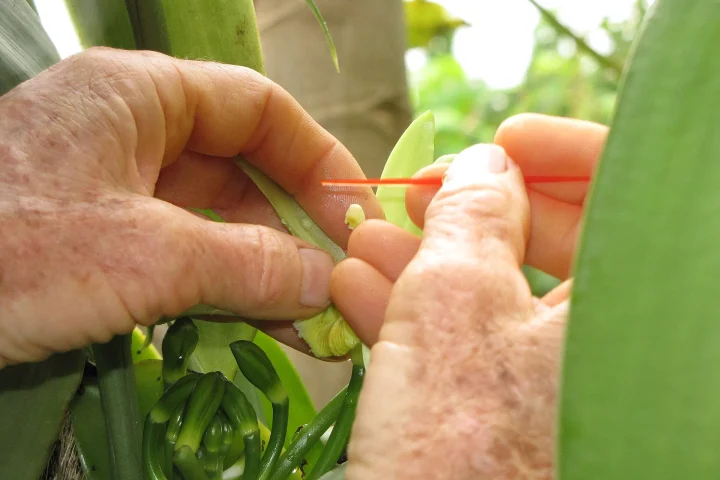
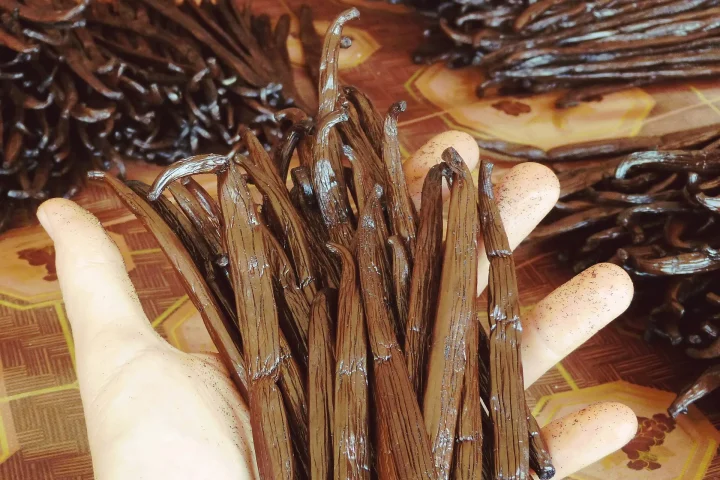
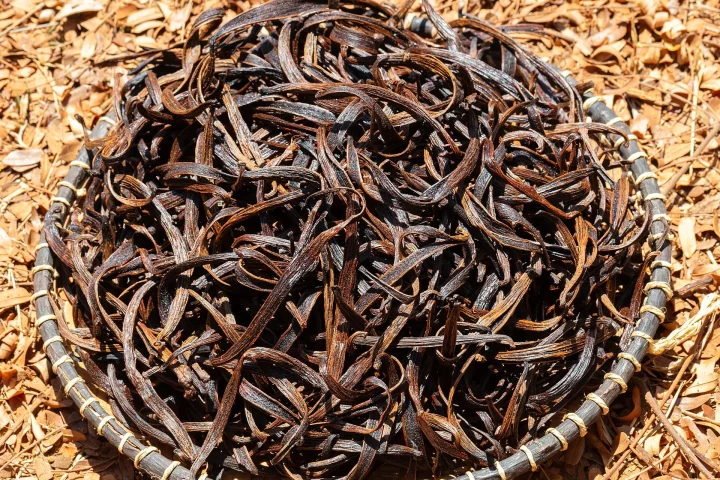
Scaling operations involves several interconnected strategies. Firstly, focusing on the quality and consistency of the vanilla beans is paramount. Bali’s unique terroir can produce exceptional vanilla, but maintaining this quality through meticulous curing processes is essential. Buyers, particularly in discerning markets, prioritise consistency in flavour profiles and physical characteristics. This means investing in training for farmers and processors, ensuring adherence to best practices from pollination to packaging.
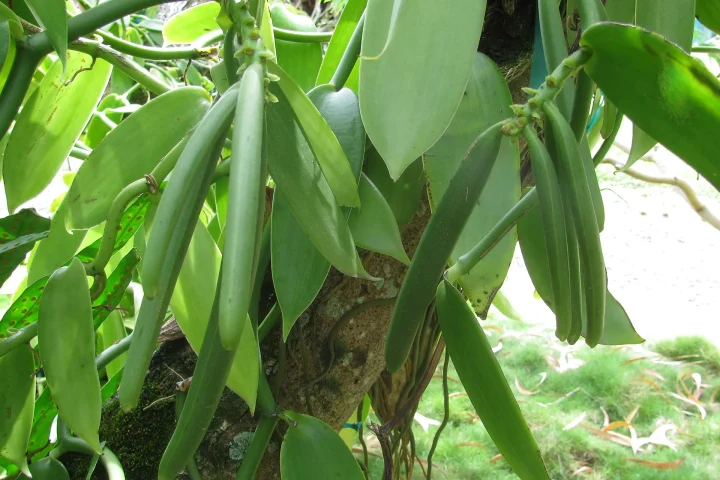
Secondly, expanding cultivation sustainably is a critical component. While increasing acreage might seem like a direct path to higher Bali vanilla export volume targets for 2027, it must be done without compromising ecological balance or future yields. Exploring agroforestry models, which integrate vanilla cultivation with other crops, can enhance biodiversity, improve soil health, and provide additional income streams for local communities, making the entire supply chain more resilient and attractive to ethically conscious buyers.
Technology adoption also plays a pivotal role. Implementing advanced traceability systems, for instance, allows exporters to track beans from farm to final destination. This transparency is increasingly demanded by consumers and regulators, helping to verify the origin, quality, and ethical sourcing of the product. Digital platforms can also streamline logistics, reduce paperwork, and improve communication across the supply chain, ultimately cutting costs and improving delivery times.
Supply Chain Optimisation for Increased Capacity
Optimising the supply chain is fundamental to scaling. This involves everything from efficient transport logistics within Bali to securing reliable international shipping partners. Reducing bottlenecks at various stages – collection, curing, sorting, and packaging – will directly impact the ability to meet higher Bali vanilla export volume targets for 2027. Consolidating smaller batches from multiple farms into larger, quality-controlled shipments can also reduce per-unit costs and improve efficiency.
Building strong, long-term relationships with both local farmers and international buyers is equally important. For farmers, this means fair pricing, timely payments, and technical support, fostering loyalty and ensuring a consistent supply of quality beans. For buyers, it involves transparent communication, reliable delivery schedules, and perhaps even collaborative product development, such as specific cuts for vanilla beans for extract production. These relationships form the backbone of a sustainable export business.
Exploring new markets beyond traditional destinations can also contribute significantly to scaling. Researching emerging economies with growing middle classes and increasing demand for premium ingredients could uncover untapped Bali vanilla export business opportunities in 2027. Participating in international trade shows and forging partnerships with distributors who have established networks in these regions can facilitate market entry.
Financial Planning and Investment
Scaling requires capital investment, whether for expanding drying facilities, improving storage conditions, or investing in advanced processing equipment. Developing a robust financial plan that outlines projected growth, associated costs, and potential revenue streams is essential. This plan can then be used to secure financing, potentially from local banks, export-import agencies, or even impact investors interested in sustainable agriculture.
Furthermore, managing currency fluctuations and understanding international trade finance mechanisms will be crucial for profitability. Hedging strategies can protect against adverse currency movements, while understanding payment terms like Letters of Credit can mitigate risks associated with international transactions. For more details on our offerings, please visit our main site.
Marketing and Brand Development for 2027
To differentiate Bali vanilla in a competitive global market, strategic marketing and brand development are indispensable. Highlighting the unique characteristics of Bali vanilla – its flavour profile, sustainable sourcing, and the stories of the farmers who cultivate it – can create a compelling narrative. Developing a strong brand identity that resonates with discerning buyers can command premium prices and foster brand loyalty.
Digital marketing, including a strong online presence and engagement with industry-specific platforms, will be vital for reaching a global audience. Showcasing certifications (e.g., organic, fair trade) can further enhance market appeal and open doors to niche segments willing to pay more for ethically produced products. Regular engagement with trade publications and participation in industry forums can also bolster reputation and visibility.
2027 Note: The landscape for vanilla exports is continually evolving. Market demand, consumer preferences, and regulatory frameworks can shift. Staying agile and responsive to these changes, while maintaining a long-term vision for sustainable growth, will be key to meeting and exceeding Bali vanilla export volume targets for 2027. Continuous market research and adaptation will be fundamental to sustained success.
FAQ
What actionable strategies can Bali vanilla exporters implement to successfully scale their operations and meet increasing global demand by 2027?
Bali vanilla exporters can implement several key strategies: enhancing quality control and consistency through farmer training and improved curing processes; expanding cultivation sustainably using agroforestry; adopting advanced traceability technology for transparency; optimising supply chain logistics to reduce bottlenecks; building strong, fair relationships with farmers and international buyers; exploring new international markets; developing a robust financial plan for investment; and implementing strategic marketing and brand development highlighting unique selling points and certifications.
How can Bali vanilla exporters ensure the sustainability of their growth initiatives by 2027?
Ensuring sustainable growth by 2027 involves adopting agroforestry practices to maintain ecological balance and soil health, providing fair compensation and technical support to local farmers to foster long-term partnerships, investing in energy-efficient processing methods, and obtaining relevant certifications (e.g., organic, fair trade) that demonstrate a commitment to environmental and social responsibility. These measures attract ethically conscious buyers and secure a resilient supply chain.
What are the primary challenges Bali vanilla exporters might face in achieving their 2027 growth targets, and how can they be mitigated?
Primary challenges include volatile global vanilla prices, climate change impacts on crop yields, competition from other vanilla-producing regions, and logistical complexities in international shipping. Mitigation strategies involve diversifying market reach to reduce reliance on single buyers, investing in climate-resilient farming techniques, differentiating Bali vanilla through quality and unique flavour profiles, and optimising supply chain efficiencies to reduce costs and improve reliability.