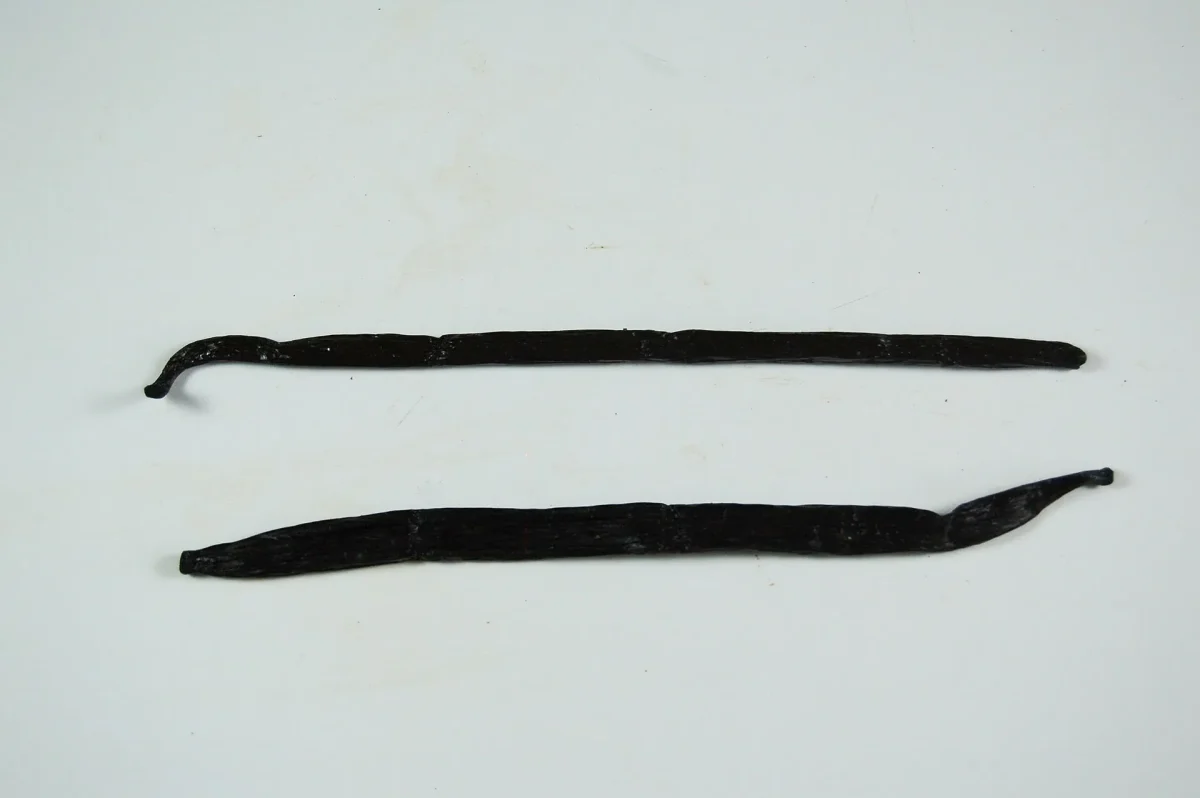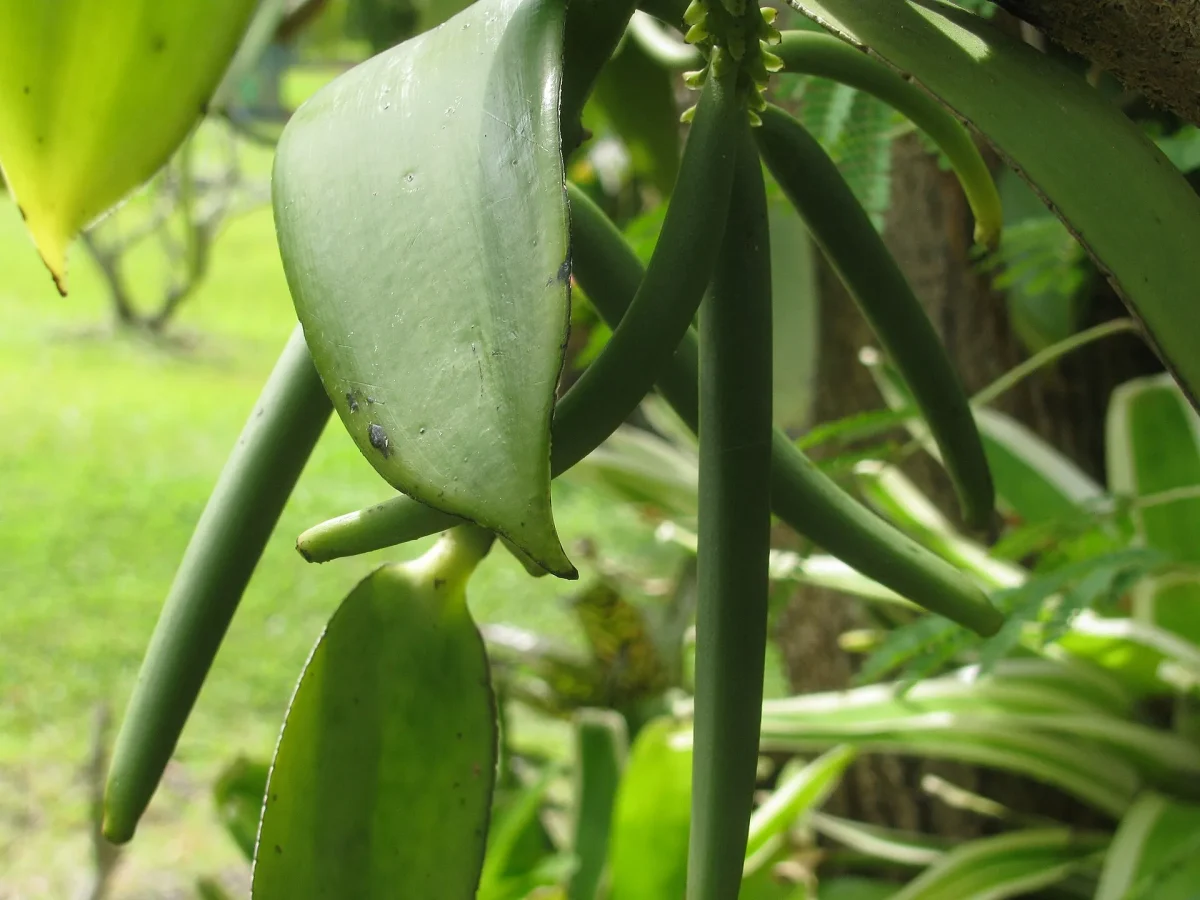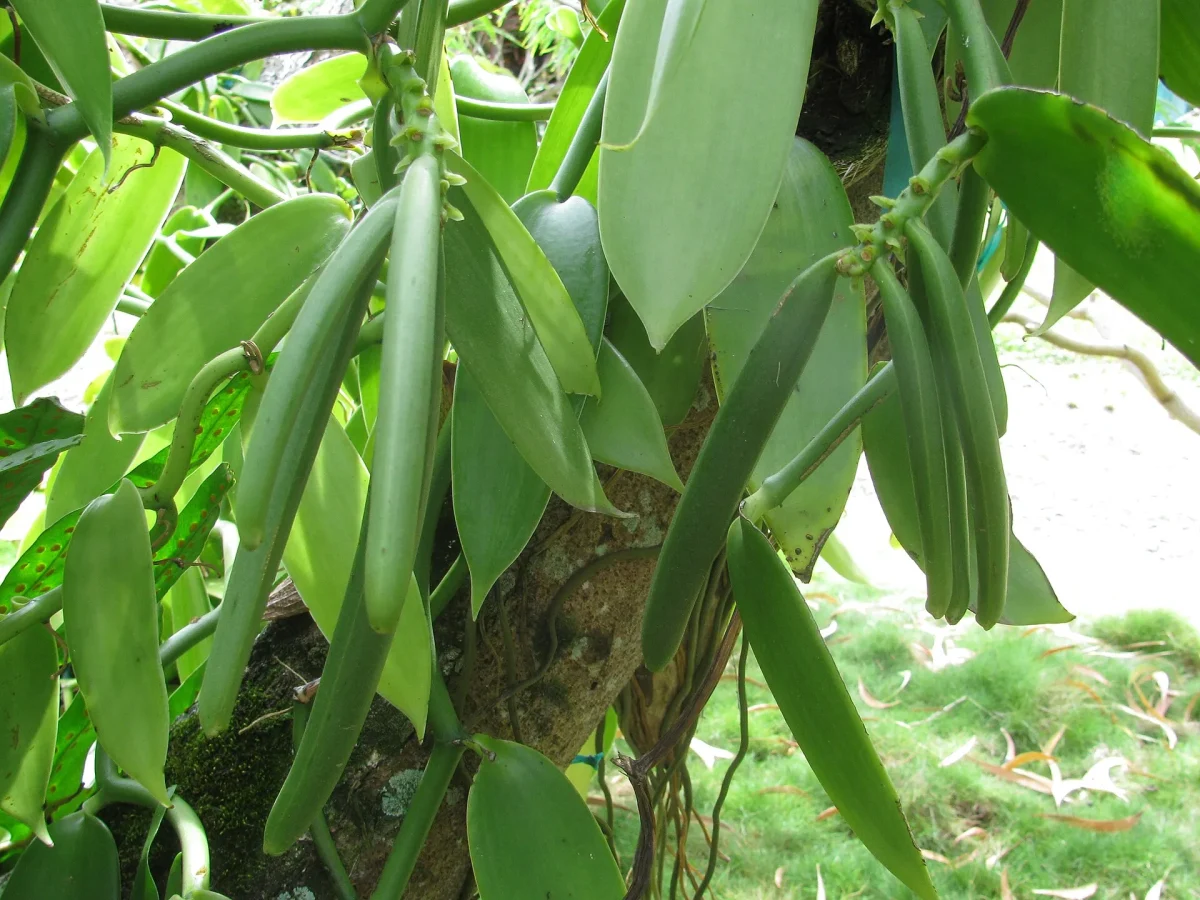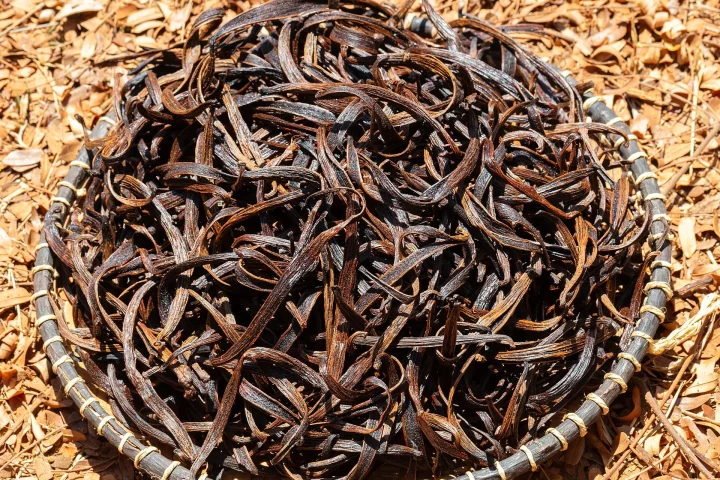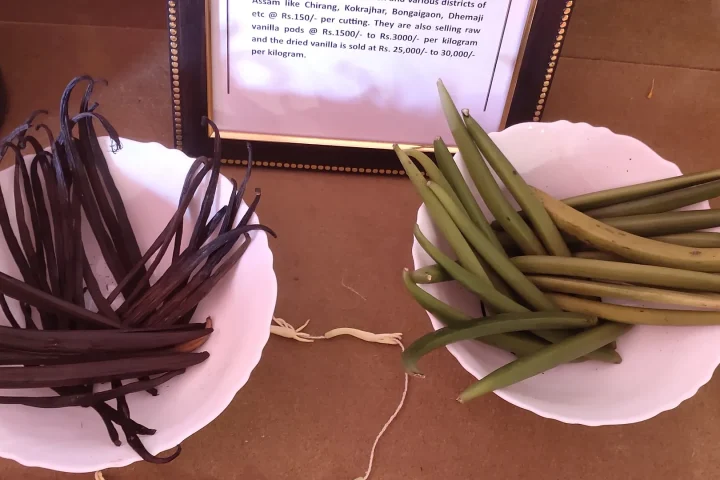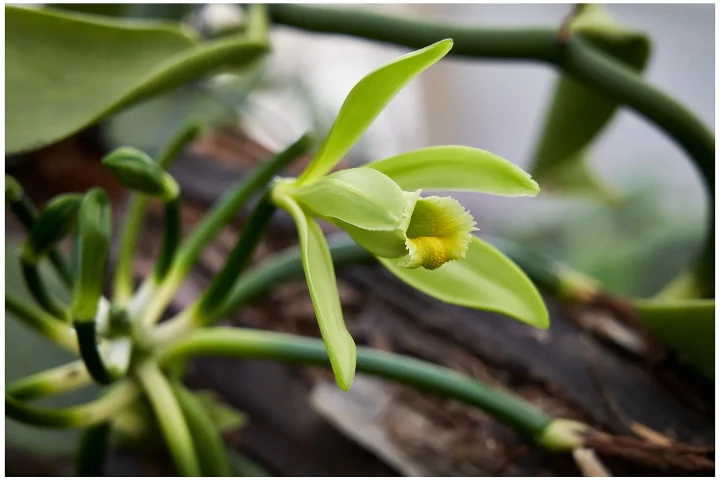
Tahitensis vanilla beans with vanilla orchid flowers - premium floral variety

Tahitensis Vanilla Beans — Exotic Floral Indonesian Vanilla

Vanilla tahitensis is one of the most prized and distinctive varieties in the global vanilla market. Unlike the more common Vanilla planifolia, Tahitensis produces a uniquely complex flavor profile — fruity, floral, cherry-like, and anise-accented — that has made it the preferred variety for perfumers, artisan ice cream makers, luxury chocolatiers, and specialty food producers seeking differentiation in increasingly competitive markets.

Bali Vanilla Export sources premium Tahitensis beans from Papua and select Sulawesi farming communities where the variety thrives in tropical lowland conditions. Our Tahitensis program combines direct farmer relationships, careful curing adapted to the variety’s unique biochemistry, and rigorous quality control to deliver beans that meet the exacting standards of international fragrance and food buyers.

Tahitensis Specifications

Botanical Name: Vanilla tahitensis J.W. Moore
Bean Length: 12-18 cm, typically shorter and plumper than Planifolia
Moisture Content: 30-40%, higher than Planifolia due to thicker pod walls
Vanillin Content: 0.8-1.5%, lower than Planifolia but compensated by unique aromatic compounds
Key Aromatic Compounds: Heliotropin, anisaldehyde, anisyl alcohol — absent in Planifolia
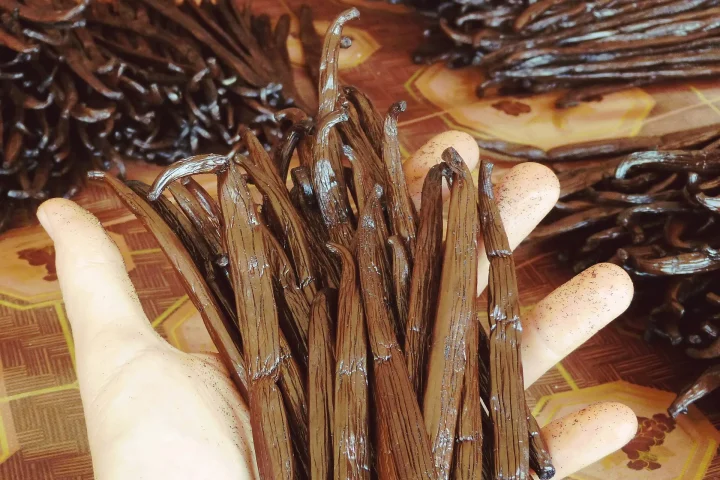
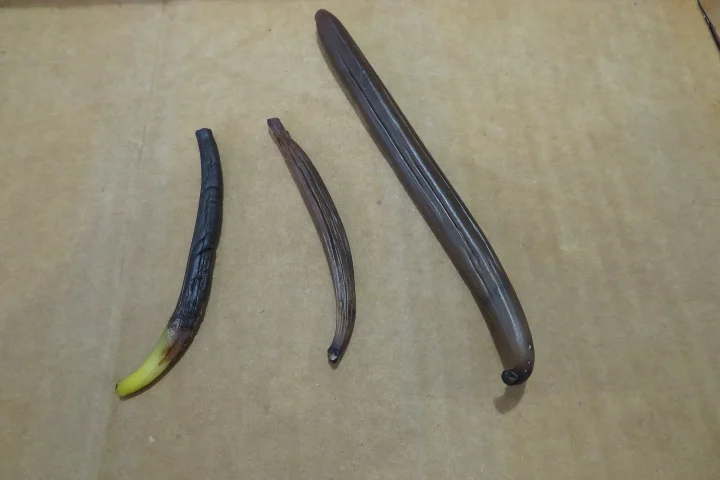
Color: Dark brown to chocolate brown with a waxy, slightly glossy surface
Aroma Profile: Fruity (cherry, plum), floral (heliotrope), anise-like, with sweet undertones
Texture: Thick-walled, plump, more robust than Planifolia pods

What Makes Tahitensis Different

The fundamental difference between Tahitensis and Planifolia lies in their aromatic chemistry. While Planifolia derives its character primarily from vanillin (the dominant compound responsible for “classic” vanilla flavor), Tahitensis contains significantly higher levels of heliotropin, anisaldehyde, and anisyl alcohol. These compounds create the distinctive fruity-floral-anise character that makes Tahitensis irreplaceable in certain applications.

Indonesian Tahitensis, particularly from Papua, offers a unique terroir expression that differs from French Polynesian Tahitensis (the traditional source). Papuan beans tend to produce a richer, more complex aromatic profile with deeper fruit notes — attributed to Papua’s unique microclimate, volcanic soil minerals, and the genetic diversity of local Tahitensis cultivars that have adapted to Indonesian growing conditions over generations.

Sourcing — Papua and Sulawesi Origins

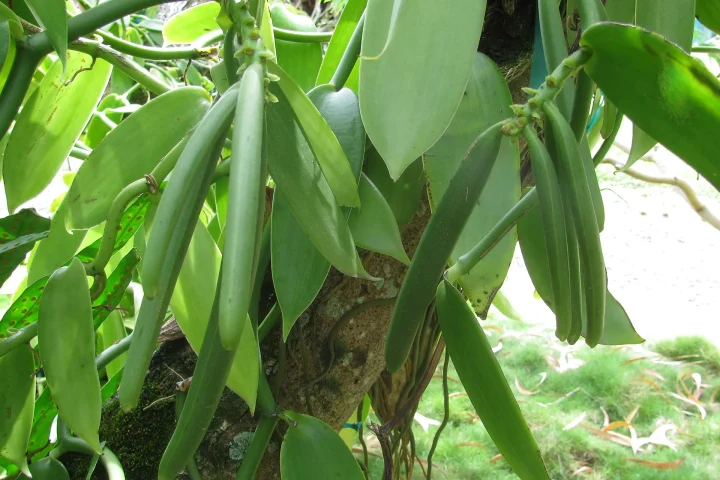
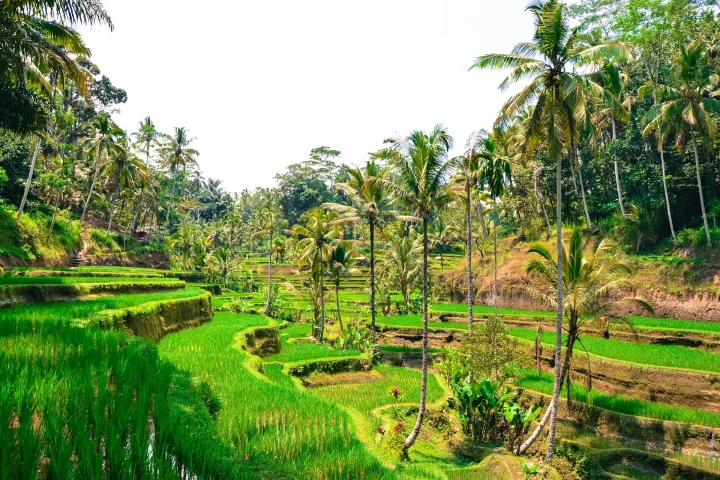
Our Tahitensis sourcing is concentrated in two Indonesian regions that produce the highest quality specimens. Papua’s tropical lowland climate, high rainfall, and volcanic soil composition create optimal growing conditions for Tahitensis. The variety has been cultivated by Papuan farming communities for generations, with indigenous knowledge of pollination timing, harvest indicators, and post-harvest handling passed down through traditional farming practices. Sulawesi’s select growing areas contribute supplementary volume with distinctive regional character. Sulawesi Tahitensis tends toward slightly stronger anise notes, making it particularly valued by fragrance compounders and perfumers.

Both sourcing regions operate through direct farmer partnerships — Bali Vanilla Export provides agricultural training, fair pricing, and guaranteed purchase agreements that incentivize quality-focused cultivation and careful post-harvest handling.

Curing Process Adapted for Tahitensis

Tahitensis requires a modified curing approach compared to Planifolia due to its thicker pod walls, higher moisture content, and different enzymatic chemistry. Our Tahitensis curing process uses lower killing temperatures (58-60°C versus 63-65°C for Planifolia) to preserve the delicate fruity and floral compounds that are more heat-sensitive than vanillin. The sweating phase is extended to accommodate the thicker pod walls, ensuring complete enzymatic conversion without over-fermentation that would degrade the distinctive heliotropin and anisaldehyde content.

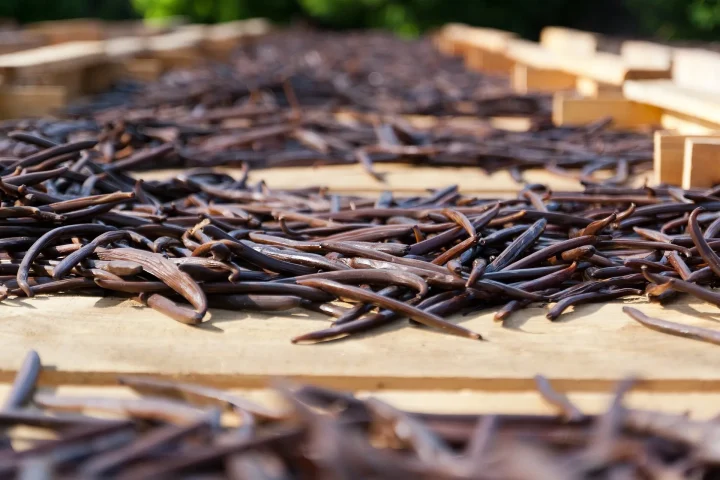
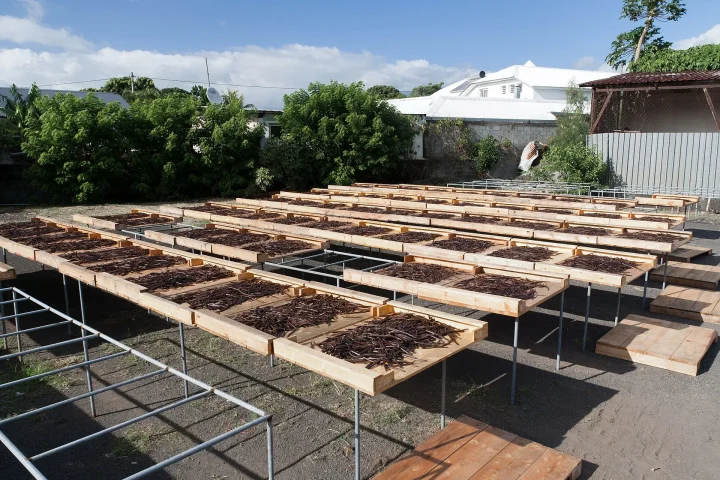
Sun-drying is conducted in shorter daily sessions to prevent over-drying of the outer pod surface while the interior retains its characteristic moisture. The conditioning phase is critical for Tahitensis — a minimum of 4 months in sealed containers allows the full aromatic complexity to develop, with some premium lots conditioned for up to 8 months for maximum fragrance intensity.

Applications and Industries

Tahitensis vanilla’s unique aromatic profile makes it irreplaceable in several high-value applications. The fragrance and perfume industry is the single largest consumer of Tahitensis, using its complex floral-fruity character as a base and heart note in luxury perfumes, body care products, and scented candles. Artisan ice cream and gelato producers value Tahitensis for its distinctive flavor that creates a genuinely unique product impossible to replicate with Planifolia or synthetic alternatives. Luxury chocolate makers use Tahitensis to create limited-edition or signature products where the unusual flavor profile commands premium retail pricing. Specialty beverage producers incorporate Tahitensis into craft cocktails, premium spirits, and boutique tea blends. High-end cosmetics and skincare brands use Tahitensis extract for both fragrance and marketing positioning around exotic, natural ingredients.

Availability and Pricing

Tahitensis production volumes are significantly smaller than Planifolia globally, making it a premium-priced specialty product. Indonesian Tahitensis from Papua represents one of the most compelling values in the market — offering comparable quality to French Polynesian Tahitensis at more competitive pricing due to lower production costs and shorter supply chains.

Availability is seasonal and limited. We recommend placing orders or forward contracts early in the harvest cycle (typically June-September for Papuan Tahitensis) to secure allocation. Minimum order is 25 kg for Tahitensis, with sample lots of 500g available for quality evaluation. Request a quote for current pricing and availability.

Tahitensis vanilla flavor profile - floral cherry and anise notes

Frequently Asked Questions — Tahitensis Vanilla

Can Tahitensis be used as a substitute for Planifolia?

Tahitensis is not a substitute for Planifolia — it is a distinct variety with a fundamentally different flavor profile. Tahitensis delivers fruity, floral, and anise-like notes rather than the classic creamy-sweet vanilla character of Planifolia. Buyers should select Tahitensis specifically for applications that benefit from its unique aromatic qualities, not as a generic vanilla replacement.

Why is Tahitensis more expensive than Planifolia?

Tahitensis commands higher prices due to significantly lower global production volumes, more demanding cultivation requirements (lower pod-per-vine yield, narrower pollination window), and concentrated demand from high-value industries like luxury fragrance and artisan food production. Indonesian Tahitensis offers a more competitive price point than French Polynesian sourcing while delivering comparable aromatic quality.

What is the vanillin content of Tahitensis compared to Planifolia?

Tahitensis typically contains 0.8-1.5% vanillin compared to 1.6-2.2% for Planifolia. However, Tahitensis compensates with significantly higher concentrations of heliotropin, anisaldehyde, and other aromatic compounds that are absent or minimal in Planifolia. The total aromatic complexity of Tahitensis is comparable to Planifolia — it is simply a different and more diverse aromatic profile rather than a reduced one.

Do you offer organic Tahitensis?

Organic Tahitensis is available in limited quantities from certified farming cooperatives in Papua. Due to the already limited production volumes and additional requirements of organic certification, organic Tahitensis is our most premium-priced product. Please inquire about current organic Tahitensis availability when contacting our export team.

Chat with us
Scroll to Top
Request Quote WhatsApp