The Ultimate Bali Vanilla Export Guide for Global Buyers in 2026
The global vanilla market is experiencing unprecedented demand, projected to reach $14.3 billion by 2026 and expand to over $23 billion by 2036. For food manufacturers, flavor houses, cosmetics companies, and artisan producers seeking premium vanilla, Bali vanilla export represents one of the most strategically important sourcing channels in the world today.
Indonesia stands as the world’s second-largest vanilla producer, contributing approximately 30.3% of global supply. Within Indonesia, Bali has emerged as a premier vanilla processing and export hub, combining traditional cultivation expertise with modern quality control systems that meet international food safety standards including HACCP, ISO 22000, and organic certification frameworks.
Why Bali Has Become a Global Vanilla Export Powerhouse
Bali’s unique position in the Indonesian vanilla supply chain stems from several competitive advantages. The island’s volcanic highlands in Tabanan, Jembrana, Kintamani, and Buleleng provide the ideal microclimate for Vanilla planifolia cultivation — rich volcanic soil, consistent rainfall between 1,500-3,000mm annually, optimal temperatures of 20-30°C, and natural shade from tropical canopy cover.
Beyond cultivation, Bali serves as a consolidation and export processing center for vanilla sourced across the Indonesian archipelago. Vanilla beans from Papua, Sulawesi, Flores, and Java are frequently shipped to Bali for final curing, grading, sorting, and vacuum packaging before international export. This centralised processing model allows Bali-based exporters to offer consistent quality across large volume orders while maintaining competitive pricing.
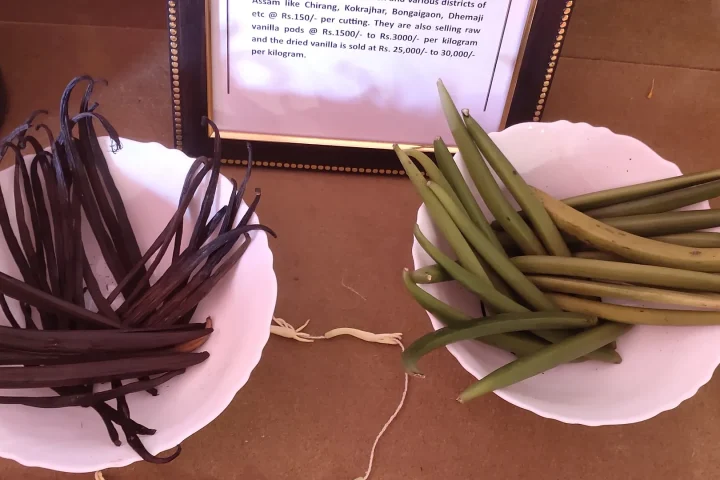
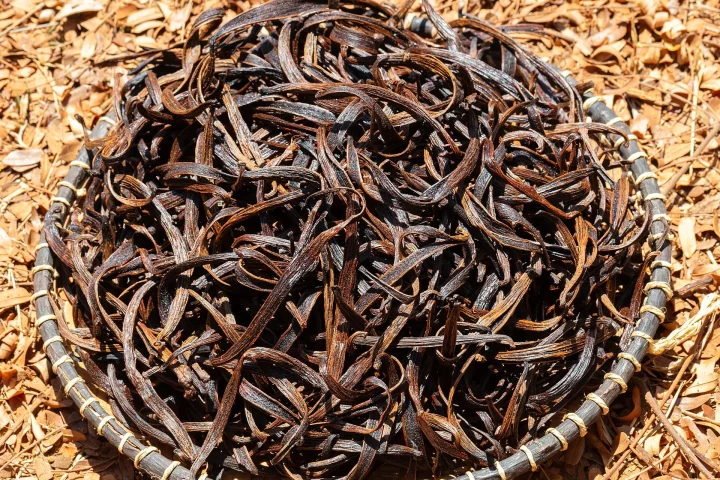
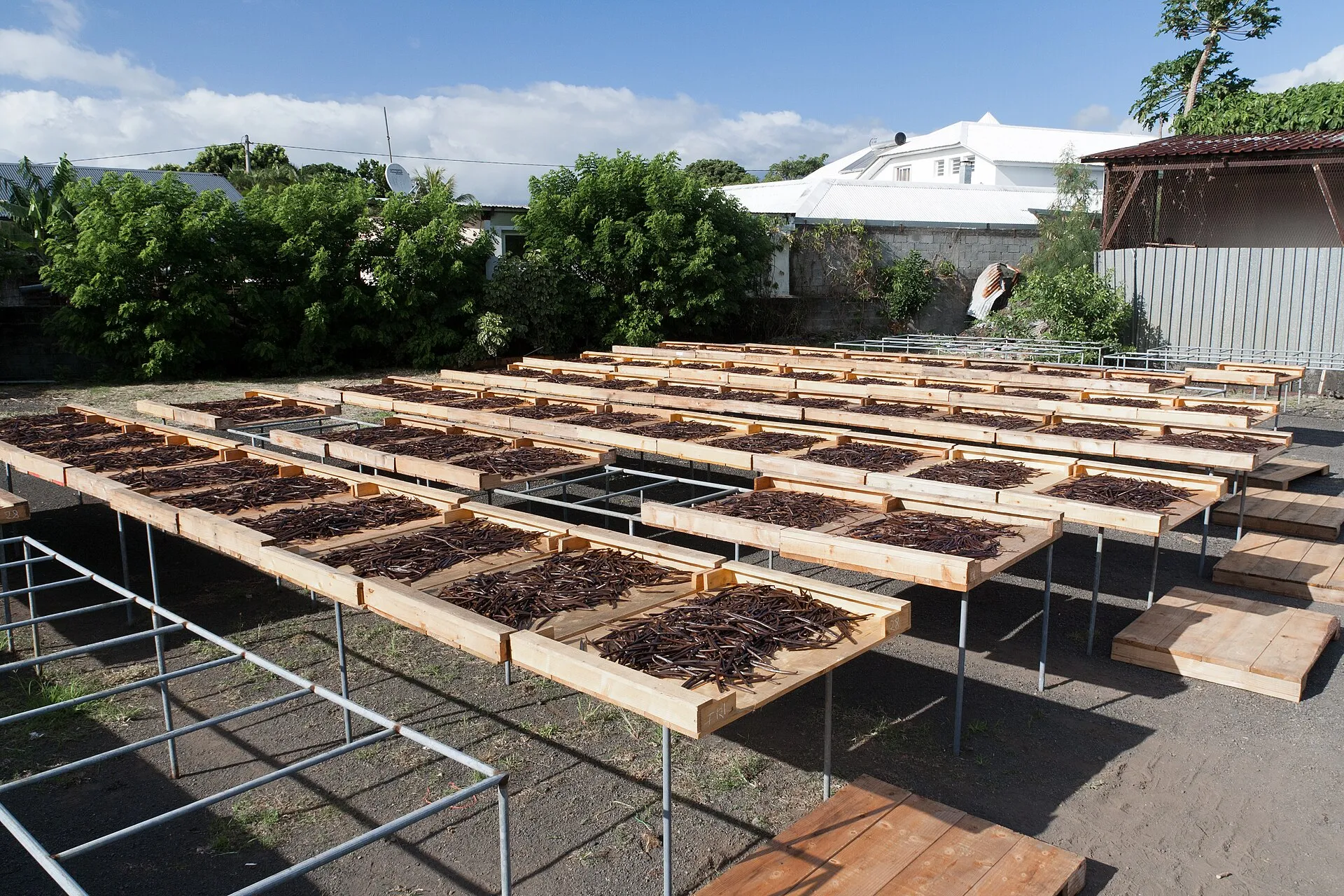
The Balinese vanilla curing tradition, perfected over generations, involves a meticulous 6-9 month process of blanching, sweating, slow-drying, and conditioning that develops the complex flavor profile prized by premium buyers. This artisanal approach produces vanilla with vanillin content typically between 1.6-2.4%, moisture levels of 25-35% for Grade A beans, and the distinctive floral-chocolate-caramel notes that distinguish Indonesian vanilla from Madagascar or Tahitian varieties.
Understanding Vanilla Bean Grades for Export
When sourcing through a Bali vanilla export channel, understanding the grading system is essential for procurement success. The Indonesian vanilla grading system classifies beans primarily by moisture content, appearance, and vanillin concentration.
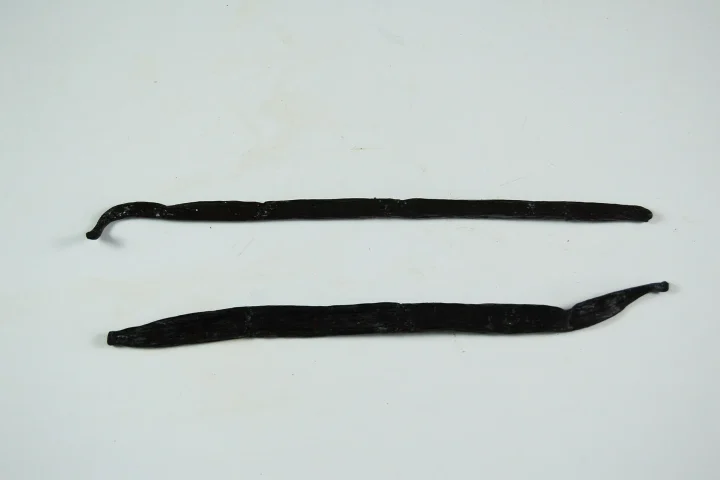
Grade A Gourmet Vanilla Beans represent the premium tier, featuring beans 16-22cm in length, moisture content of 28-35%, rich dark brown to black coloration, oily flexible texture, and vanillin content of 1.8-2.4%. These beans command the highest prices and are preferred by artisan bakeries, fine dining establishments, premium ice cream manufacturers, and luxury cosmetics brands.
Grade B Extract Vanilla Beans are specifically optimized for vanilla extract production, with moisture content of 15-25%, slightly drier texture, and beans that may include splits or cosmetic imperfections. Despite their classification, Grade B beans retain excellent flavor compound concentration, making them the cost-effective choice for extract manufacturers, industrial flavoring companies, and bulk ingredient processors.
Tahitensis Vanilla Beans from Bali offer a distinctively different flavor profile featuring pronounced floral, fruity, and anise notes. Tahitensis varieties are increasingly sought after by craft chocolatiers, premium beverage companies, and artisan perfumers seeking differentiated vanilla character.
Bali Vanilla Export Pricing Trends 2026
Vanilla pricing remains dynamic, influenced by weather patterns in key growing regions, global demand shifts, and geopolitical trade factors. As of 2026, Indonesian Grade A vanilla beans from Bali typically range from $80-$150 per kilogram for wholesale orders, depending on volume, grade specification, and certification requirements. Grade B extract beans trade at $40-$90 per kilogram, while Tahitensis commands $90-$170 per kilogram due to limited supply.
Several factors influence Bali vanilla export pricing for B2B buyers. Volume commitments of 100kg or more typically unlock 10-20% price advantages compared to smaller orders. Long-term supply agreements with quarterly or semi-annual deliveries provide price stability and priority allocation during supply-constrained periods. Certified organic vanilla carries a premium of 15-30% over conventional beans but opens access to the rapidly growing organic ingredient market segment.
Export Documentation and Compliance Requirements
Professional Bali vanilla exporters handle comprehensive documentation to ensure smooth international shipment. Standard export documentation includes Certificate of Origin, Phytosanitary Certificate from Indonesian quarantine authorities, commercial invoice and packing list, bill of lading or air waybill, and product specification sheets with laboratory analysis results.
For food-grade vanilla destined for regulated markets, additional documentation may include HACCP compliance certificates, organic certification (USDA NOP, EU Organic, JAS), heavy metal and pesticide residue test results, microbiological analysis certificates, and allergen declarations. Reputable exporters maintain relationships with accredited testing laboratories including SGS, Intertek, and Sucofindo to provide third-party verification.
Shipping and Logistics for Bali Vanilla Export
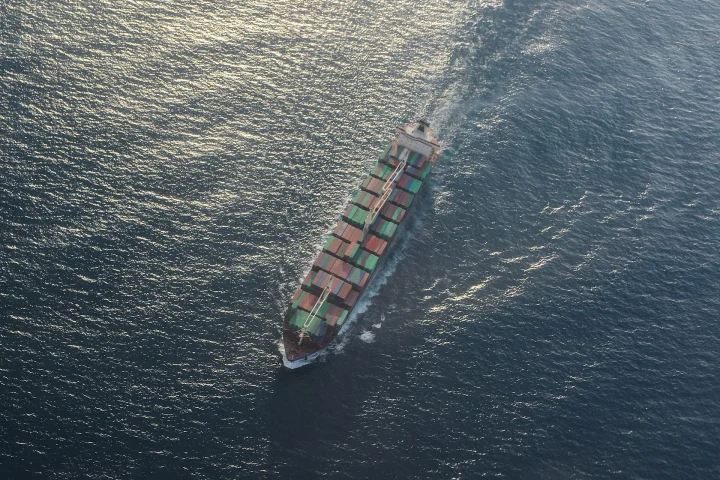
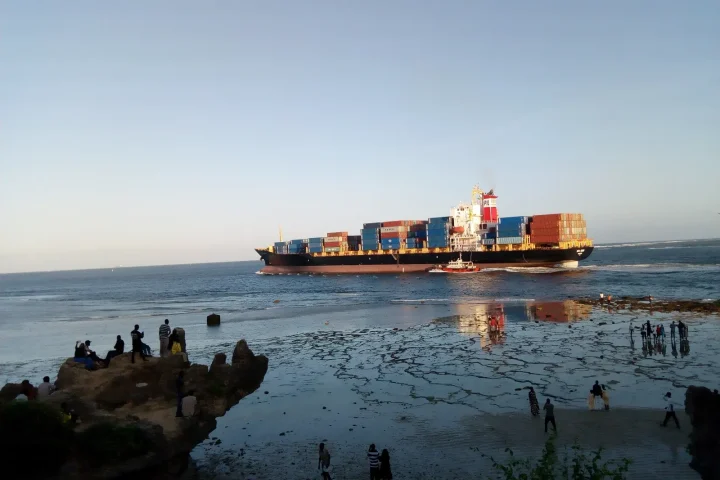
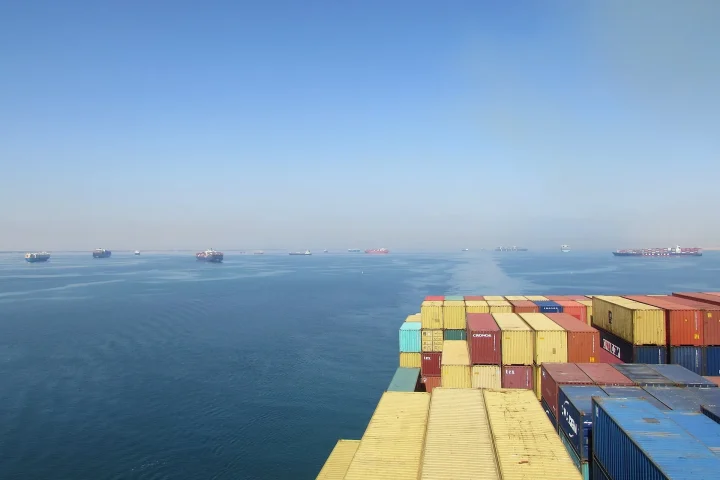
Bali vanilla export shipments reach global destinations through both air freight and sea freight channels. Air freight from Ngurah Rai International Airport (DPS) provides 3-7 day delivery to major global markets, making it the preferred option for orders under 500kg or time-sensitive procurement. Sea freight from Benoa Port or through Surabaya offers cost-effective solutions for large volume orders of 1,000kg or more, with transit times of 14-30 days depending on destination.
Temperature-controlled packaging is critical for maintaining vanilla quality during transit. Professional exporters use vacuum-sealed food-grade packaging, moisture barrier materials, insulated containers, and cold chain protocols where required. Proper packaging ensures beans arrive with optimal moisture content and flavor integrity regardless of transit duration.
How to Choose a Reliable Bali Vanilla Export Partner
Selecting the right export partner is perhaps the most critical decision in establishing a successful vanilla supply chain from Bali. Key evaluation criteria include proven track record with verifiable client references, transparent pricing structure with no hidden fees, quality certifications matching your market requirements, sample availability before commitment, flexible MOQ and payment terms, consistent communication and order tracking, and demonstrated expertise in international logistics.
At Bali Vanilla Export, we combine generations of vanilla processing expertise with modern quality systems to deliver premium Indonesian vanilla beans to manufacturers, distributors, and artisan producers in over 30 countries. Our direct partnerships with farming cooperatives across Bali’s volcanic highlands ensure supply chain transparency and fair pricing for both growers and buyers.
Frequently Asked Questions
What is the minimum order quantity for Bali vanilla export?
Most professional Bali vanilla exporters set minimum order quantities between 5-25 kilograms for sample and trial orders, with 50-100 kilograms being the standard MOQ for regular commercial orders. Larger buyers negotiating annual supply agreements may access preferential pricing starting from 500kg commitments.
How long does vanilla export from Bali take to arrive?
Air freight from Bali typically delivers within 3-7 business days to major markets in the US, Europe, Middle East, and East Asia. Sea freight takes 14-30 days depending on the destination port. Custom clearance adds 1-3 business days at the receiving end.
What certifications should I look for in a Bali vanilla exporter?
Essential certifications include HACCP compliance for food safety, organic certification (USDA NOP or EU Organic) if required, Phytosanitary Certificate for plant quarantine compliance, and ISO 22000 for food safety management systems. Third-party lab testing from SGS or Intertek provides additional quality assurance.
Is Indonesian vanilla from Bali as good as Madagascar vanilla?
Indonesian vanilla from Bali offers a distinctly different but equally premium flavor profile. While Madagascar Bourbon vanilla is known for its creamy sweetness, Indonesian Planifolia vanilla features deeper, smokier, more complex notes with chocolate and earthy undertones. Many premium food manufacturers blend Indonesian and Madagascar vanilla to achieve unique proprietary flavor profiles.
Can I visit vanilla farms in Bali before placing an export order?
Yes, reputable Bali vanilla exporters welcome buyer visits to their processing facilities and partner farms. Farm visits provide valuable insight into cultivation methods, curing processes, and quality control procedures, helping build confidence in your supply chain partnership.